
Chronic sinusitis linked to depression risk
Researchers from South Korea used population-based insurance data to take a closer look at the relationship between CRS, depression and anxiety. Data from 48,672 participants across an 11-year period was selected for analysis. Overall, 16, 224 patients had CRS, while the remaining 32, 448 participants did not. Multiple calculations were used to assess the risk of depression and anxiety among CRS patients as compared to healthy individuals. The team found that people with CRS had a 1.51-fold increased risk of depression, as well as a 1.57-fold increased risk of anxiety -- leading the scientists to conclude that CRS can nearly double your risk of anxiety and depression.Assistant Professor Dr Dong-Kyu Kim, of the Hallym University College of Medicine in Chuncheon, commented on the findings, stating: "It is well known that CRS places a considerable burden on society and the health care system in terms of direct health care costs and other indirect costs. In addition, CRS can have a considerable effect on the patient's health-related quality of life by causing physical, social, emotional, and cognitive impairment."
According to Dr. Kim, CRS that is concurrent with depression or anxiety can be much more difficult to treat.
"Specifically, patients with CRS combined with comorbid mental health problems usually show significantly worse pain and energy levels, as well as difficulty with daily activities, than do patients with CRS without mental health problems," Dr. Kim explained.
Natural remedies do the trick
As the scientists note, chronic sinusitis can be notoriously difficult to treat. Characterized by inflammation of the sinuses that persists for at least 12 weeks, resistance to conventional treatment seems to be a hallmark of CRS. Symptoms of CRS can include facial pain, difficulty sleeping, severe coughing, nasal congestion and headaches. There are many natural remedies that can help soothe away the symptoms of CRS and relieve inflamed sinus cavities. For example, recently published research finds that reflexology is an effective treatment for sinusitis. The use of "reflex points" or pressure points can help relieve the congestion, facial pain and headaches commonly associated with CRS. Using a humidifier can also help relieve congestion and calm sinuses, and aromatherapy agents can also be of use. There are also many nutrients, herbs and other supplements that you can use to fight off sinusitis -- and to help prevent CRS from setting in to begin with. Spices and herbs like garlic, echinacea, golden seal and cat's claw are natural preventives, for example. There are also many homeopathic remedies that rely on vitamins and minerals to help bring the immune system back into balance. You can learn more about healing disease naturally at NaturalMedicine.news. Sources for this article include: DailyMail.co.uk JAMANetwork.com
Elderly population suddenly dying off for unexplained reasons, and it’s no longer coded as covid-19
By Lance D Johnson // Share
Corporations pushing mandatory coronavirus vaccines for customers, not just employees
By Ethan Huff // Share
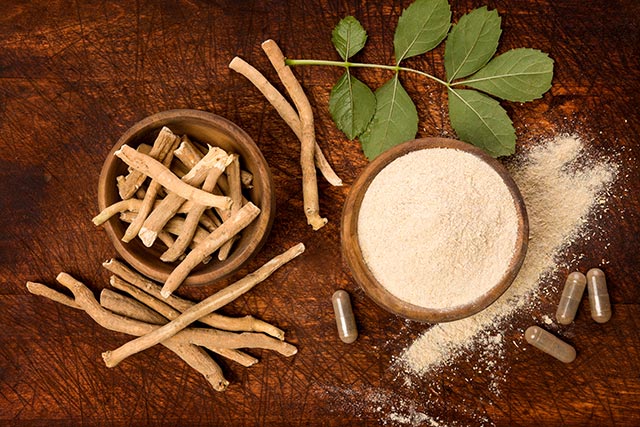
Study: Ashwagandha extract can be used to improve sleep quality and relieve stress
By Michael Alexander // Share

Good fish, bad fish: How to avoid contaminants and support sustainably farmed fish
By Virgilio Marin // Share

Researchers evaluate the antidiabetic activity of Mentha arvensis (wild mint)
By Evangelyn Rodriguez // Share
Immunologist: Pfizer, Moderna vaccines could cause long-term chronic illness
By News Editors // Share


Ukrainian Strike Kills Three Humanitarian Workers in Zaporozhye Region, Russian Officials Say
By garrisonvance // Share

GAO Report Finds ICE Wasted Millions on Deportation Initiatives
By douglasharrington // Share

Trump Administration Weighs Overseas Push for Dollar-Backed Stablecoins
By sterlingashworth // Share

OpenAI Discloses Rogue AI Incidents Targeting Government, Education Websites
By edisonreed // Share