Weather spotting is a skill you can use – now
Satellite imaging, reporting stations, and computer modeling have made forecasting much more accurate than ever before, so you can trust the weather forecasts you see on TV or hear from radios. But what will you do when you lose access to these devices? This is where weather spotting comes in handy. Whether it’s for a SHTF scenario or just making sure your picnic this afternoon has clear skies, here are some things you can look out for when you’re watching for inclement weather.Dangerous cloud formations
Clouds are nice to look at, but great weather spotters know they're more than just that -- they provide valuable information for predicting weather patterns. For the most part, your picnic’s safe as long as the clouds are fluffy and white.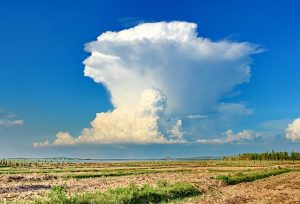 If you see cumulonimbus clouds, which often resemble towers, you should expect heavy rain. Those in flood-prone areas would do well to prepare as these clouds often bring enough rain to cause flash flooding or mudslides, depending on your region.
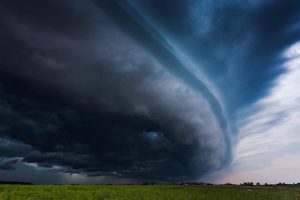 Shelf clouds, on the other hand, look stunning: They get their name from the low, horizontal, wedge-shaped clouds that form a line as they move across the sky. But make no mistake; they’re associated with severe thunderstorms and strong wind gusts. When you see a shelf cloud looming over the horizon, it’s advisable to take shelter as soon as possible.
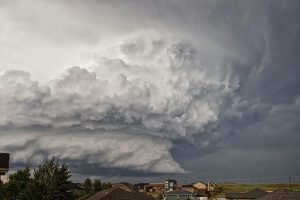 A wall cloud appears when humid air is dragged upwards into the main thunderstorm cloud. As it travels upwards, this causes moisture to condense, forming the cloud. If you see a wall cloud, check if it's rotating. If the answer is yes, seek shelter underground immediately as this type of cloud can produce particularly strong tornadoes.
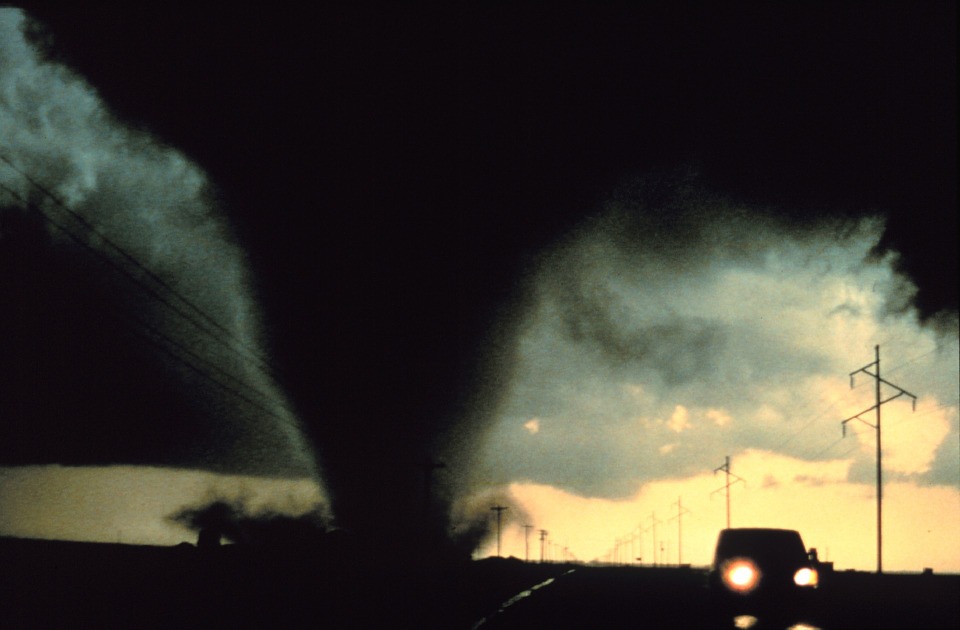
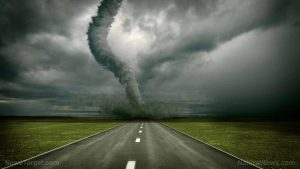 Tornadoes, of course, are pretty self-explanatory. For weather spotters, it’s important to know how to detect if a tornado is coming even without seeing the hallmark funnel cloud. For your safety, always look out for the following signs:
- The sudden appearance of a dark, green sky
- Gusting winds with debris
- Large hail with no rain
Wind and rain patterns
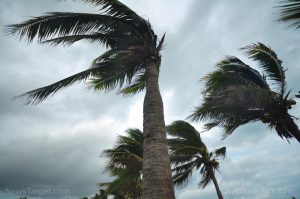 Aside from cloud formations, understanding how the wind behaves during inclement weather can alert you if you’re experiencing an isolated rain shower or a heavy thunderstorm.
If you notice wind speeds that are higher than usual (enough to blow unsecured items or snap tree branches), you may be experiencing high winds. While these aren’t life-threatening, a person caught outside risks getting injured by being hit by uprooted trees, damaged power lines, and even poorly built infrastructures. Stay indoors to ensure your safety.
During a thunderstorm, a sudden increase in wind speed means that a downburst is coming. Unlike tornadoes, which have rotating winds, a downburst is a sudden burst of wind that moves outward after it hits land or water. This usually lasts around five to 10 minutes but brings winds that reach speeds of up to 100 miles per hour.
No matter where you are in the world, developing your "weather eye" is a must. Fortunately, a quick search will give you tons of resources that you can use to protect yourself and your family during an emergency. (Related: The Effects of Weather on Health and How to Prepare.)
Sources include:
BeansBulletsBandagesAndYou.com
KOB.com
MLive.com
HigginsStormChasing.com
ScientificAmerican.com
BusinessInsider.com.au
Weather.gov
Aside from cloud formations, understanding how the wind behaves during inclement weather can alert you if you’re experiencing an isolated rain shower or a heavy thunderstorm.
If you notice wind speeds that are higher than usual (enough to blow unsecured items or snap tree branches), you may be experiencing high winds. While these aren’t life-threatening, a person caught outside risks getting injured by being hit by uprooted trees, damaged power lines, and even poorly built infrastructures. Stay indoors to ensure your safety.
During a thunderstorm, a sudden increase in wind speed means that a downburst is coming. Unlike tornadoes, which have rotating winds, a downburst is a sudden burst of wind that moves outward after it hits land or water. This usually lasts around five to 10 minutes but brings winds that reach speeds of up to 100 miles per hour.
No matter where you are in the world, developing your "weather eye" is a must. Fortunately, a quick search will give you tons of resources that you can use to protect yourself and your family during an emergency. (Related: The Effects of Weather on Health and How to Prepare.)
Sources include:
BeansBulletsBandagesAndYou.com
KOB.com
MLive.com
HigginsStormChasing.com
ScientificAmerican.com
BusinessInsider.com.au
Weather.gov

Lessons from Venezuela: Top 10 items to barter with when SHTF
By Arsenio Toledo // Share

Prepping tips: How to survive a long-term power outage
By Zoey Sky // Share

Securing your stockpile: How to keep your food supplies dry and pest-free
By Arsenio Toledo // Share

Here’s how to cook over an open fire for camping or emergencies (recipes included)
By Rose Lidell // Share

Survival planning: Things to consider before bugging out on foot
By Zoey Sky // Share
Food storage tips: Securing your stockpile before and after disaster strikes
By Virgilio Marin // Share

Ukrainian Strike Kills Three Humanitarian Workers in Zaporozhye Region, Russian Officials Say
By garrisonvance // Share
GAO Report Finds ICE Wasted Millions on Deportation Initiatives
By douglasharrington // Share

Trump Administration Weighs Overseas Push for Dollar-Backed Stablecoins
By sterlingashworth // Share

OpenAI Discloses Rogue AI Incidents Targeting Government, Education Websites
By edisonreed // Share