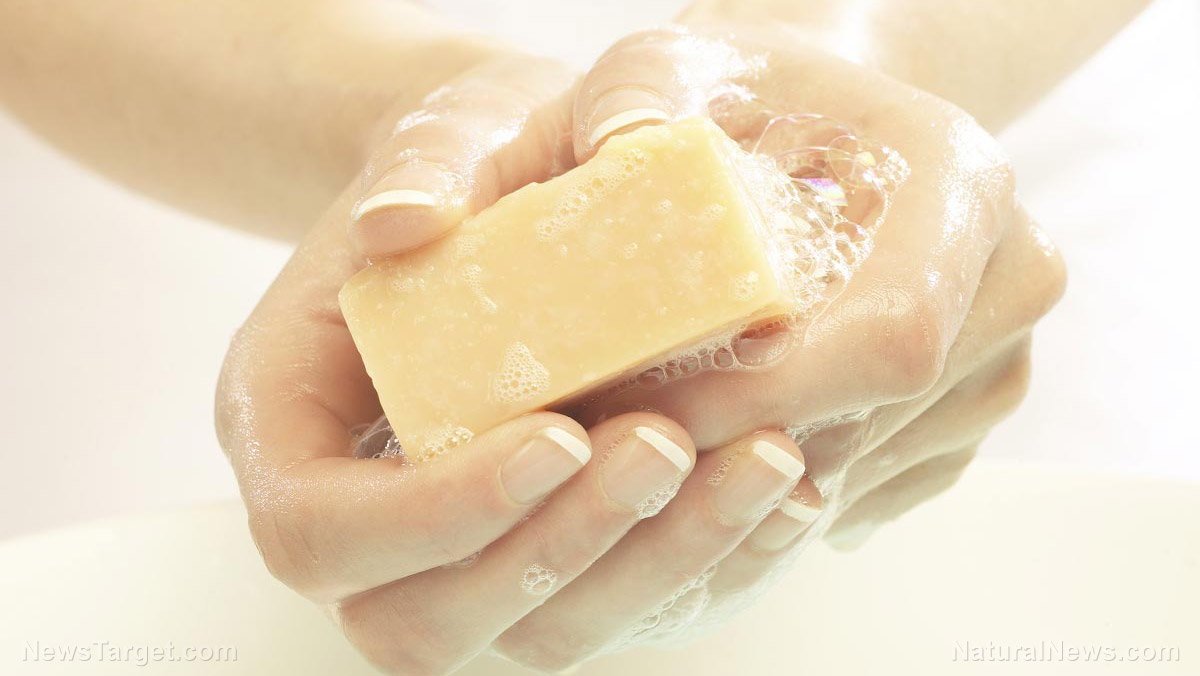
Handwashing techniques and UV light testing for germs
In an article from the Daily Mail, Good Health used a special UV camera to test five methods of hand washing. Before the tests were conducted, a volunteer rubbed Glo Germ gel on her hand. The clear gel simulates how germs cling to human skin, and it contains particles the same size as germs like coronavirus. Under the glow of UV lights, the clear Glo Germ gel made the volunteer’s hands whiter if they were dirtier or darker if they were cleaner.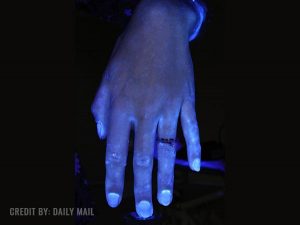 1. Quick rinse and shake
Studies have found that about one-fourth of people use the “rinse and shake” method when washing their hands. However, UV light testing revealed that this method isn’t good enough.
During testing, the rinse and shake didn’t do much to clean the volunteer’s hands.
After letting the water run over her hands for three seconds, the camera showed that her hands were glowing white, meaning most of the germs are still stuck on her hands.
2. Six-second wash without soap
On average, people wash their hands with water for only six seconds.
Like the first method, this isn’t long enough to remove germs effectively. The UV camera revealed a high concentration of germs on the back of the volunteer’s hands, around her wedding ring and under her fingernails.
While washing her hands for slightly longer reduced the white areas compared with the rinse and shake method, the second method was slightly more effective since the volunteer’s damp hands were dried with a towel.
Damp hands transfer germs more easily, and it’s important to dry your hands thoroughly after washing.
3. Six-second wash with soap
Effective handwashing requires soap, but you also need to rinse the soap thoroughly.
Soap doesn’t kill bacteria, but it helps get rid of them. As one end of the soap molecule attaches to water, the other end attaches to dirt where the germs are.
Lathering with soap also enhances the rubbing action. Lisa Ackerley, a hygiene expert, explained that you need to scrub your fingertips against your palms to clean under the nails.
4. Washing for 20 seconds with soap
The National Health Service (NHS) recommends washing your hands for at least 20 seconds. Images from the UV camera showed that a 20-second wash with soap left fewer white areas compared to the usual six-second wash.
In the fourth method, white areas were only found on the crescents around the volunteer’s cuticles, one patch on the side of her thumb and a streak on top of her little finger.
Ackerley added that 20 seconds give you enough time to “clean all the little bits of your hands.”
5. Hand washing for 30 seconds with soap
According to the Centers For Disease Control and Prevention (CDC), you should wash your hands for at least 30 seconds. When the volunteer used the fifth method to wash her hands, the UV camera captured a significant difference in the traces of Glo Germ gel left on her hands.
There were fewer white areas on her hands, and the crescents of germs around her cuticles left in the 20-second hand washing image were almost gone.
Dr. Val Curtis, a public health expert at the London School of Hygiene & Tropical Medicine, advised that while washing your hands longer helps get rid of the germs, it’s important to get rid of “the majority” left on your hands.
1. Quick rinse and shake
Studies have found that about one-fourth of people use the “rinse and shake” method when washing their hands. However, UV light testing revealed that this method isn’t good enough.
During testing, the rinse and shake didn’t do much to clean the volunteer’s hands.
After letting the water run over her hands for three seconds, the camera showed that her hands were glowing white, meaning most of the germs are still stuck on her hands.
2. Six-second wash without soap
On average, people wash their hands with water for only six seconds.
Like the first method, this isn’t long enough to remove germs effectively. The UV camera revealed a high concentration of germs on the back of the volunteer’s hands, around her wedding ring and under her fingernails.
While washing her hands for slightly longer reduced the white areas compared with the rinse and shake method, the second method was slightly more effective since the volunteer’s damp hands were dried with a towel.
Damp hands transfer germs more easily, and it’s important to dry your hands thoroughly after washing.
3. Six-second wash with soap
Effective handwashing requires soap, but you also need to rinse the soap thoroughly.
Soap doesn’t kill bacteria, but it helps get rid of them. As one end of the soap molecule attaches to water, the other end attaches to dirt where the germs are.
Lathering with soap also enhances the rubbing action. Lisa Ackerley, a hygiene expert, explained that you need to scrub your fingertips against your palms to clean under the nails.
4. Washing for 20 seconds with soap
The National Health Service (NHS) recommends washing your hands for at least 20 seconds. Images from the UV camera showed that a 20-second wash with soap left fewer white areas compared to the usual six-second wash.
In the fourth method, white areas were only found on the crescents around the volunteer’s cuticles, one patch on the side of her thumb and a streak on top of her little finger.
Ackerley added that 20 seconds give you enough time to “clean all the little bits of your hands.”
5. Hand washing for 30 seconds with soap
According to the Centers For Disease Control and Prevention (CDC), you should wash your hands for at least 30 seconds. When the volunteer used the fifth method to wash her hands, the UV camera captured a significant difference in the traces of Glo Germ gel left on her hands.
There were fewer white areas on her hands, and the crescents of germs around her cuticles left in the 20-second hand washing image were almost gone.
Dr. Val Curtis, a public health expert at the London School of Hygiene & Tropical Medicine, advised that while washing your hands longer helps get rid of the germs, it’s important to get rid of “the majority” left on your hands.
Five steps for proper handwashing
Teach your kids this simple five-step method for handwashing to prevent germs from spreading.- Wet your hands with clean, running water. Turn off the tap, then apply soap.
- Lather your hands. Rub them together with the soap and lather the backs of your hands, between your fingers and under your nails.
- Scrub your hands for 20 to 30 seconds, or at least long enough to sing the “Happy Birthday” song from beginning to end, twice. (Related: UK government launches campaign to stop coronavirus spread, urges everyone to wash their hands.)
- Rinse your hands thoroughly under clean, running water.
- Dry your hands using a clean towel or air dry them.
Should you use a hand sanitizer?
Hand washing is the most effective method of removing germs like bacteria and viruses. However, if you don’t have access to soap and running water, the NHS recommends an alcohol-based sanitizer. But while a sanitizing foam or gel kills viruses, the germs remain on your hands. Alcohol destroys the protective outer membrane of the virus, which makes it break down rapidly. Data suggests that coronavirus is particularly susceptible to the effects of alcohol. Here are some things to remember when using sanitizer to clean your hands:- Professor Mark Wilcox, a microbiologist at Leeds Teaching Hospitals NHS Trust, said that you should use a hand sanitizer that is more than 60 percent alcohol. Labels on these kinds of sanitizers may also say “ethanol.” Ideally, your sanitizer should contain over 70 percent alcohol, which is the strength required to kill viruses.
- Use sanitizer whenever your hands touch potentially contaminated surfaces, such as when using public transport or going to the grocery store.
- Apply the gel and rub your hands together properly to apply the gel all over your hands. Get the sanitizer right in between your fingers and thumbs, then cover the backs of your hands and wrists.
Corporations pushing mandatory coronavirus vaccines for customers, not just employees
By Ethan Huff // Share
Study: Ashwagandha extract can be used to improve sleep quality and relieve stress
By Michael Alexander // Share
What are some of the health benefits of quassia wood?
By Evangelyn Rodriguez // Share


American cities were unprepared for financial fallout from coronavirus shutdowns
By Franz Walker // Share

Evaluating the cytotoxicity of plant-derived phenolic compounds toward human carcinoma cells
By Evangelyn Rodriguez // Share

CBO report: A warmer climate could mean fewer elderly deaths
By isabelle // Share

UK Sanctions on Israel Do Not Revoke Arms Export Licenses, Report Says
By edisonreed // Share

USDA Announces Massive Meat Recall Affecting Beef, Pork and More
By cocosomers // Share

Wright Says U.S. Power Grid Needs More Generation as Electricity Demand Rises
By sterlingashworth // Share

EU Publishes Big Tech Reports on DSA Compliance
By bellecarter // Share

Poverty Rate Among Older Adults Rises for Fifth Straight Year, AARP Analysis Finds
By sterlingashworth // Share