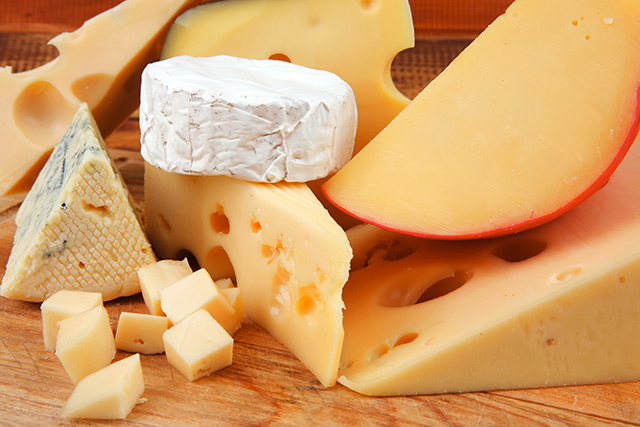
Antioxidants in cheese protect blood vessels
Although cheese is high in sodium, prior research has already found that dairy foods can improve vascular health. In the study, the researchers examined the effects of cheese on the blood vessels among 11 adults without salt-sensitive blood pressure. The participants were required to follow each of the four diets for a period of eight days each: a low-sodium, no-dairy diet; a low-sodium, high-cheese diet; a high-sodium, no-dairy diet; and a high-sodium, high-cheese diet.
The low sodium diets entailed consuming 1,500 mg of salt a day while the high sodium diets entailed consuming 5,500 mg of salt. The cheese diets included about four servings of various types of cheese a day. The participants also went through blood pressure monitoring and provided a urine sample to ensure that they were following the prescribed diets.
At the end of each eight-day period, the researchers examined the participants by injecting a small amount of the drug acetylcholine, a compound that signals blood vessels to relax. By looking at how blood vessels reacted to the drug, the team was able to measure blood vessel function.
Results show that, during the high sodium, no-cheese diet, the participants did not respond well to acetylcholine with the blood vessels having a difficult time relaxing. However, this effect was not seen during the high-sodium, high-cheese diet.
According to co-author Lacy Alexander, when “they consumed the same amount of salt and ate cheese as a source of that salt, those effects were completely avoided.”
The researchers suggested that consuming sodium in cheese, rather than in non-dairy sources, may be effective in reducing cardiovascular disease risk without having to reduce total sodium intake. This has important implications because, according to Alba, “While there’s a big push to reduce dietary sodium, for a lot of people it’s difficult.”
Although the precise mechanisms behind the findings are unknown, the authors posited that the antioxidants in cheese may have played a role in offsetting the harmful effects of excessive sodium. Previous research found that dairy-based nutrients have the ability to scavenge molecules that are harmful to blood vessel health. These molecules, Alba said, proliferate due to excessive sodium. (Related: Fermented cheese whey can reduce symptoms of atherosclerosis.)
Healthiest types of cheese
Cheese can be very healthy, but certain varieties may provide more health benefits than other varieties. For example, mozzarella and Swiss cheese are lower in sodium and calories than most other cheese while blue cheese and parmesan boast more calcium. Other varieties of cheese such as cheddar only have about 4 to 10 percent of the daily recommended intake of calcium. Blue cheese and parmesan, on the other hand, can provide 33 and 34 percent of the daily recommended intake, respectively. Furthermore, parmesan, along with goat cheese, is very low in lactose as it is aged for a long time. People who are lactose-intolerant might have a better digestive reaction after eating this cheese type. With the various types of cheese all over the world, selecting the cheese type that is right for one’s body is still the best way to truly optimize this dairy’s health benefits. Learn more about the benefits of cheese at FoodCures.news. Sources include: IntegrativePractitioner.com HealthCanal.com FDA.gov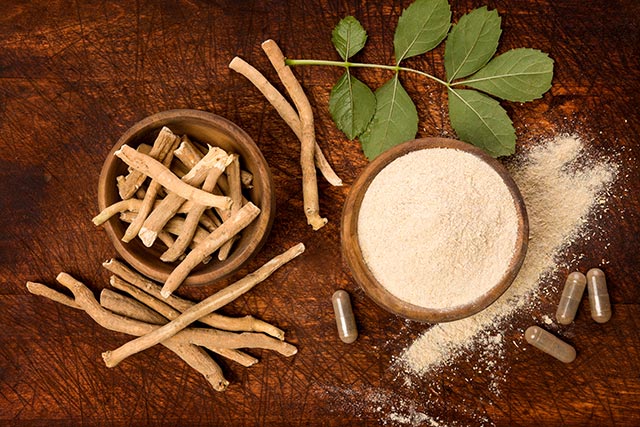
Study: Ashwagandha extract can be used to improve sleep quality and relieve stress
By Michael Alexander // Share
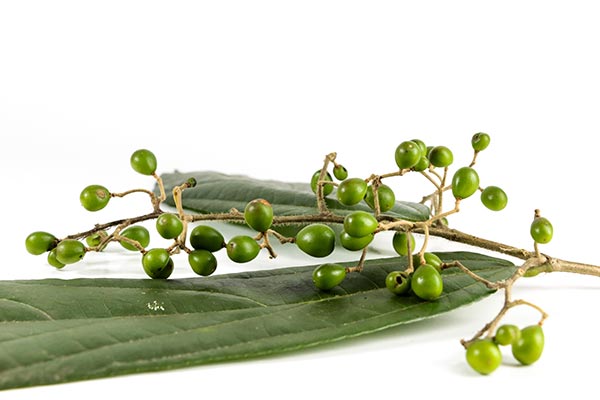
What are some of the health benefits of quassia wood?
By Evangelyn Rodriguez // Share

Evaluating the cytotoxicity of plant-derived phenolic compounds toward human carcinoma cells
By Evangelyn Rodriguez // Share

Researchers evaluate the antidiabetic activity of Mentha arvensis (wild mint)
By Evangelyn Rodriguez // Share
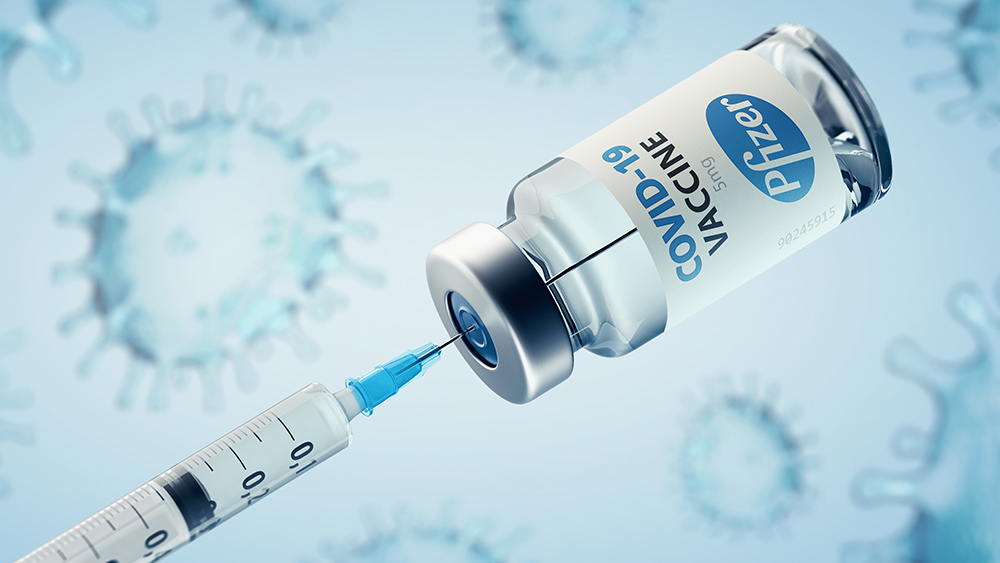
Immunologist: Pfizer, Moderna vaccines could cause long-term chronic illness
By News Editors // Share

Handle with care: Why you need to wash fruits and veggies
By Rose Lidell // Share


S&P Global Report Projects Global Energy Demand to Rise More Than 60% by 2060
By edisonreed // Share

School Districts Impose Moratoriums on Generative AI Amid Rising Parent Concerns
By chasecodewell // Share

Farmers Report “Survival Mode” as Diesel Prices Rise Amid U.S.-Iran Conflict
By garrisonvance // Share
Fiber powerhouses: Why broccoli isn't the only vegetable worth celebrating
By willowt // Share

Iran offers Trump a pre-election deal to reopen Strait of Hormuz
By isabelle // Share