Exploring the use of sugar for wounds
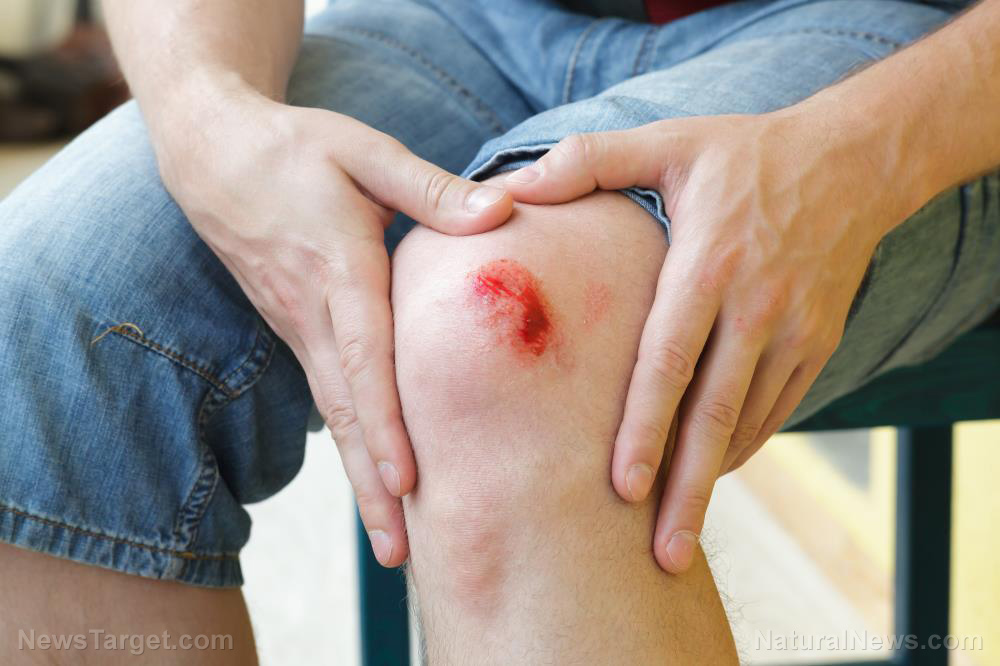
Murandu and his colleagues launched a preliminary study to formally test the wound-healing properties of granulated beet and cane sugar. These are two common types of sugar in the U.S., with up to 60 percent of all sugar produced in the country coming from sugar beets alone. They tested the use of sugar on 22 patients with sloughy or necrotic wounds. Two of them were infected with methicillin-resistant Staphylococcus aureus (MRSA), a superbug known for being resistant to many existing antibiotics. Meanwhile, another seven patients had insulin-dependent diabetes mellitus. After applying sugar, the team found that all wounds were clean or debrided after an average of 11.13 days. Meanwhile, blood sugar levels remained stable in the diabetic patients. The results were attributed to a couple of factors. First, sugar works as a wound dressing because it draws out the fluid from the tissue, which keeps the wound dry and prevents bacteria from spreading. Second, it can promote the growth of new tissue while less painful compared to other wound dressings.Reviving the medicinal use of sugar
The use of sugar in this manner likely dates back to 4,000 years ago in ancient Egypt, where it was used to treat wounds alongside honey. The use of sugar, however, fell out of favor with the onset of antibiotics in the early 20th century.
Fortunately, it’s recently seen a renaissance in Europe, especially Germany, where medical professionals are turning more often to sugar to treat patient wounds. But that’s not the case in the U.S., which is uncanny because many Europeans credited this renewed interest in sugar therapy to an American: Dr. Richard A. Knutson, an orthopedic surgeon from Mississippi.
Several years ago, Knutson became frustrated by stubborn, pus-filled wounds filled with bacteria that were resistant to all the drugs that he gave patients. He started experimenting with sugar dressings at the counsel of a retired nurse who once worked in the deep south before the antibiotic era.
At first, Knutson couldn’t believe it – the idea appeared counterintuitive: “Sugar! You think you’ll create a perfect medium for bacterial growth.”
Much to his surprise, the opposite happened.
Knutson had since created a salve made of sugar, which he later learned to mix with a mild antibacterial iodine liquid. He used this salve on about 6,000 patients who had all sorts of wounds, such as burns and shotgun wounds. (Related: Prepping tips for the injured or those with chronic illness.)
Most Europeans, however, use sugar alone, and that can work too. Here’s how to use sugar to treat a wound:
- Apply a copious amount of sugar. If it immediately soaks up the fluid in the wound, apply more until there’s some dry sugar on top.
- Apply a non-adherent bandage and secure it in place.
- Change the dressing every other day. It’s best not to wash away or remove the old sugar when changing the dressing as doing so will remove the very delicate tissue forming anew.
- Add more sugar on top for the next dressing.
- Keep doing this until the wound is healed.
What are some of the health benefits of quassia wood?
By Evangelyn Rodriguez // Share
Lessons from Venezuela: Top 10 items to barter with when SHTF
By Arsenio Toledo // Share

American cities were unprepared for financial fallout from coronavirus shutdowns
By Franz Walker // Share

Handle with care: Why you need to wash fruits and veggies
By Rose Lidell // Share

Have your avocado and eat it too: A gut-health boosting recipe for guacamole
By Rose Lidell // Share

Pricey but worth it: Health benefits of antioxidant-rich saffron (recipes included)
By Rose Lidell // Share

Food Resiliency Through Permaculture: Why We Must Become Self-Reliant to Thrive
By healthranger // Share

Retardageddon: Why the Collapse of Reason Is the End of the World as We Know It
By healthranger // Share

The Rising Drone Threat: Why Our Critical Infrastructure Has Become Dangerously Exposed
By healthranger // Share

First known government hack by AI raises new alarms over Big Tech's self-policing
By isabelle // Share

HHS Opens Inquiry Into Wireless Radiation Health Risks, Seeks Public Comment by Oct. 21
By morganverity // Share

Bank of America Warns Oil Could Surge Above $150 a Barrel if Iran War Disruptions Persist
By bellecarter // Share