Scotland
Public Health Scotland announced in January that from the 6th Feb 22, they would no longer report Covid-19 cases, hospitalisations and deaths by vaccination status on a weekly basis. Here’s why –

 The charts above have been created using the figures published by Public Health Scotland in their ‘COVID-19 & Winter Statistical Report‘ published 16th Feb 22, and they show that Covid-19 infection, hospitalisation and death rates per 100,000 individuals were consistently higher among the fully vaccinated population.
This is what Covid-19 vaccination has done to the people of Scotland.
The charts above have been created using the figures published by Public Health Scotland in their ‘COVID-19 & Winter Statistical Report‘ published 16th Feb 22, and they show that Covid-19 infection, hospitalisation and death rates per 100,000 individuals were consistently higher among the fully vaccinated population.
This is what Covid-19 vaccination has done to the people of Scotland.
New Zealand
The following chart shows the true number of Covid-19 cases by vaccination status between 6th Jan and 11th Feb, and between 12th Feb and 24th Feb in New Zealand. The data has been extracted from the following official New Zealand Ministry of Health ‘Covid-19: Case Demographics’ reports –- ‘Covid-19: Case Demographics‘ report published 25th Feb 2022,
- ‘Covid-19: Case Demographics‘ report published 12th Feb 2022,
- ‘Covid-19: Case Demographics‘ report published 6th Jan 2022.
 As you can see in both periods the fully vaccinated population accounted for the majority of Covid-19 cases, but the difference in the number of cases by vaccination status between 12th Feb and 24th Feb is shocking.
The following chart shows the Covid-19 case rate per 100k population by vaccination status between 6th Jan and 11th Feb, and between 12th Feb and 24th Feb 22 in New Zealand base on the cases above –
As you can see in both periods the fully vaccinated population accounted for the majority of Covid-19 cases, but the difference in the number of cases by vaccination status between 12th Feb and 24th Feb is shocking.
The following chart shows the Covid-19 case rate per 100k population by vaccination status between 6th Jan and 11th Feb, and between 12th Feb and 24th Feb 22 in New Zealand base on the cases above –
 These case rates, just like the Public Health Scotland case rates, certainly pour water on the bonfire of anyone who says “vaccination reduces the chances of being infected with Covid-19”, don’t they?
This means the Covid-19 injections have a real-world negative effectiveness, and we’re able to use Pfizer’s vaccine effectiveness formula to calculate it.
Unvaccinated case rate – Vaccinated case rate / Unvaccinated case rate = Vaccine Effectiveness
The following chart shows the real-world two-dose Covid-19 vaccine effectiveness between 6th Jan and 11th Feb, and between 12th Feb and 24th Feb 22 –
These case rates, just like the Public Health Scotland case rates, certainly pour water on the bonfire of anyone who says “vaccination reduces the chances of being infected with Covid-19”, don’t they?
This means the Covid-19 injections have a real-world negative effectiveness, and we’re able to use Pfizer’s vaccine effectiveness formula to calculate it.
Unvaccinated case rate – Vaccinated case rate / Unvaccinated case rate = Vaccine Effectiveness
The following chart shows the real-world two-dose Covid-19 vaccine effectiveness between 6th Jan and 11th Feb, and between 12th Feb and 24th Feb 22 –
 Between 6th Jan and 11th Feb the real-world Covid-19 vaccine effectiveness proved to be minus-94.4%, but by the 24th Feb, the real-world vaccine effectiveness fell to minus-281.35%. This means the fully vaccinated were 3.8 times more likely to be infected with Covid-19 than the unvaccinated/one dose vaccinated population.
This is what double vaccination has done to the people of New Zealand.
Between 6th Jan and 11th Feb the real-world Covid-19 vaccine effectiveness proved to be minus-94.4%, but by the 24th Feb, the real-world vaccine effectiveness fell to minus-281.35%. This means the fully vaccinated were 3.8 times more likely to be infected with Covid-19 than the unvaccinated/one dose vaccinated population.
This is what double vaccination has done to the people of New Zealand.
Canada
Despite the Government enforcing Draconian restrictions which have in turn coerced millions into getting the Covid-19 injections, since the turn of the year the country of Canada has experienced its largest wave of Covid-19 cases, hospitalisations and deaths to date. Why? Official Government of Canada data shows that the vaccinated population as a whole has accounted for 4 in every 5 Covid-19 cases, hospitalisations and deaths from 21st February 2022, up to 17th April. But it also shows the case/hospitalisation/death-rates per 100,000 population have been highest among the triple vaccinated during the same time frame. So high that the data shows the triple vaccinated are on average 4 times more likely to be infected with Covid-19, 2 times more likely to be hospitalised with Covid-19, and 3 times more likely to die of Covid-19 than the unvaccinated. The following chart shows the vaccinated case-rates per 100,000 by vaccination status across Canada between 21st Feb and 17th April 2022 – The following chart shows the vaccinated hospitalisation-rates per 100,000 by vaccination status across Canada between 21st Feb and 17th April 2022 –
 The following chart shows the vaccinated death-rates per 100,000 by vaccination status across Canada between 21st Feb and 17th April 2022 –
 This is what Covid-19 vaccination has done to the people of Canada.
England
The UK Health Security Agency is also playing the same game as Public Health Scotland, and since the 1st April 2022 has refused to publish any further data on Covid-19 cases, hospitalisations and deaths by vaccination status. Here’s why –

 The above three charts have been created using the figures contained in the Week 5, Week 9 and Week 13 UK Health Security Agency (UKHSA) ‘Vaccine Surveillance’ reports.
The figures show that the case rates between week 5 and week 13 of 2022 were highest among the triple vaccinated in all age groups in England. Not just by a little bit either, and the gap between the unvaccinated and triple vaccinated has been getting worse by the month.
All age groups also suffered a higher Covid-19 death rate per 100,000 among the double vaccinated except for 18-29-year olds between week 5 and week 9.
But this age group only suffered a higher death rate among the unvaccinated in week 5, with week 9 and week 13 seeing an identical death rate among the unvaccinated and double-vaccinated.
The only other age group to break the trend was 30-39-year-olds, who flip-flopped back to a slightly higher death rate among the unvaccinated in week 13. But apart from this, all other age groups had suffered a higher death rate among the double vaccinated since the beginning of the year.
These aren’t the kind of figures we should be seeing if a vaccine is effective. These aren’t even the kind of figures we should be seeing if a vaccine is ineffective. What we’re seeing here is a vaccine that is having the opposite of its intended effect.
The following two charts shows the real-world Covid-19 vaccine effectiveness against death among the double vaccinated population in England by age group and week, based on the death rates provided above –
The above three charts have been created using the figures contained in the Week 5, Week 9 and Week 13 UK Health Security Agency (UKHSA) ‘Vaccine Surveillance’ reports.
The figures show that the case rates between week 5 and week 13 of 2022 were highest among the triple vaccinated in all age groups in England. Not just by a little bit either, and the gap between the unvaccinated and triple vaccinated has been getting worse by the month.
All age groups also suffered a higher Covid-19 death rate per 100,000 among the double vaccinated except for 18-29-year olds between week 5 and week 9.
But this age group only suffered a higher death rate among the unvaccinated in week 5, with week 9 and week 13 seeing an identical death rate among the unvaccinated and double-vaccinated.
The only other age group to break the trend was 30-39-year-olds, who flip-flopped back to a slightly higher death rate among the unvaccinated in week 13. But apart from this, all other age groups had suffered a higher death rate among the double vaccinated since the beginning of the year.
These aren’t the kind of figures we should be seeing if a vaccine is effective. These aren’t even the kind of figures we should be seeing if a vaccine is ineffective. What we’re seeing here is a vaccine that is having the opposite of its intended effect.
The following two charts shows the real-world Covid-19 vaccine effectiveness against death among the double vaccinated population in England by age group and week, based on the death rates provided above –
(Pfizer’s vaccine formula: Unvaccinated Rate per 100k – Vaccinated Rate per 100k / Unvaccinated Rate per 100k x 100 = Vaccine Effectiveness)


 This is nowhere near the claimed 95% effectiveness by Pfizer, is it? Vaccine effectiveness was as low as minus-391.43% among 60-69-year-olds in Week 13, falling from minus 114.8% in week 5.
The most concerning declines here seem to be among the 60-69-year-olds and 70-79-year-olds because it looks like they have fallen off a cliff between week 9 and week 13. Thankfully the fall among 18-29-year-olds seems to have slowed between week 9 and week 13 but still sits at minus-231.22% after being minus-29.8% in week 5.
These figures show that 60-69-year-olds are nearly 5 times more likely to be infected with Covid-19 than unvaccinated 60-69-year-olds, and show that 40-59 and 70-79-year-olds are over 4 times more likely to be infected with Covid-19 than their unvaccinated counterparts.
The UKHSA claims that vaccine effectiveness wanes substantially over time and this is why it’s important to get a booster dose. But this is a lie. Vaccine effectiveness doesn’t wane. Immune system performance does.
Vaccine effectiveness isn’t really a measure of a vaccine, it is a measure of a vaccine recipient’s immune system performance compared to the immune system performance of an unvaccinated person.
A vaccine effectiveness of -50% would mean that the immune system of the vaccinated is now performing at a worse rate than the natural immune system of the unvaccinated. It would mean the Covid-19 vaccines have damaged the immune system, and that’s precisely what these figures are showing.
The following chart shows the immune system performance of the triple vaccinated population in England by age group in per week compared to the natural immune system of the unvaccinated population based on the case-rate figures provided above –
This is nowhere near the claimed 95% effectiveness by Pfizer, is it? Vaccine effectiveness was as low as minus-391.43% among 60-69-year-olds in Week 13, falling from minus 114.8% in week 5.
The most concerning declines here seem to be among the 60-69-year-olds and 70-79-year-olds because it looks like they have fallen off a cliff between week 9 and week 13. Thankfully the fall among 18-29-year-olds seems to have slowed between week 9 and week 13 but still sits at minus-231.22% after being minus-29.8% in week 5.
These figures show that 60-69-year-olds are nearly 5 times more likely to be infected with Covid-19 than unvaccinated 60-69-year-olds, and show that 40-59 and 70-79-year-olds are over 4 times more likely to be infected with Covid-19 than their unvaccinated counterparts.
The UKHSA claims that vaccine effectiveness wanes substantially over time and this is why it’s important to get a booster dose. But this is a lie. Vaccine effectiveness doesn’t wane. Immune system performance does.
Vaccine effectiveness isn’t really a measure of a vaccine, it is a measure of a vaccine recipient’s immune system performance compared to the immune system performance of an unvaccinated person.
A vaccine effectiveness of -50% would mean that the immune system of the vaccinated is now performing at a worse rate than the natural immune system of the unvaccinated. It would mean the Covid-19 vaccines have damaged the immune system, and that’s precisely what these figures are showing.
The following chart shows the immune system performance of the triple vaccinated population in England by age group in per week compared to the natural immune system of the unvaccinated population based on the case-rate figures provided above –
Positive Immune System Performance = Unvaccinated Case Rate – Vaccinated Case Rate / Unvaccinated Case Rate x 100 Negative Immune System Performance = Unvaccinated Case Rate – Vaccinated Case Rate / Vaccinated Case Rate x 100

Antibody-Dependent Enhancement?
Intensive research conducted by health experts throughout the years has brought to light increasing concerns about “Antibody-Dependent Enhancement” (ADE), a phenomenon where vaccines make the disease far worse by priming the immune system for a potentially deadly overreaction. ADE can arise in several different ways but the best-known is dubbed the ‘Trojan Horse Pathway’. This occurs when non-neutralizing antibodies generated by past infection or vaccination fail to shut down the pathogen upon re-exposure. Instead, they act as a gateway by allowing the virus to gain entry and replicate in cells that are usually off limits (typically immune cells, like macrophages). That, in turn, can lead to wider dissemination of illness, and over-reactive immune responses that cause more severe illness. In previous clinical trials of vaccine candidates to combat SARS and MERS, the studies each failed during the animal phase due to ADE also known as pathogenic priming or a cytokine storm. Phase three clinical trials are designed to uncover frequent or severe side effects before a vaccine is approved for use, including ADE. But herein lies the problem, none of the Covid-19 vaccines have completed phase three clinical trials. The Pfizer phase three trial is not due to complete until February 8th 2024, after previously being estimated to complete in April 2023. However, of the information collated by Pfizer so far in the ongoing study they have conducted, it is clear to see that they were fully aware in February 2021 that antibody-dependent enhancement was a possible consequence of their Covid-19 injection, and it appears they also knew by April 2021 that the phenomenon was killing people.
 Vaccine-associated enhanced diseases (VAED) are modified presentations of clinical infections affecting individuals exposed to a wild-type pathogen after having received a prior vaccination for the same pathogen. Enhanced responses are triggered by failed attempts to control the infecting virus, and VAED typically presents with symptoms related to the target organ of the infection pathogen.
According to scientists, VAED occurs as two different immunopathologies, antibody-dependent enhancement (ADE) and vaccine-associated hypersensitivity (VAH).
Antibody-Dependent Enhancement would certainly explain why the vaccinated population are twice as likely to be hospitalised with and die of Covid-19 than the unvaccinated population, but we’re not sure it would explain why the vaccinated are up to five times more likely to be infected with Covid-19.
Another extremely serious condition that would explain the higher case rate as well as the higher hospitalisation/death rate is Acquired Immune Deficiency Syndrome (AIDS).
Vaccine-associated enhanced diseases (VAED) are modified presentations of clinical infections affecting individuals exposed to a wild-type pathogen after having received a prior vaccination for the same pathogen. Enhanced responses are triggered by failed attempts to control the infecting virus, and VAED typically presents with symptoms related to the target organ of the infection pathogen.
According to scientists, VAED occurs as two different immunopathologies, antibody-dependent enhancement (ADE) and vaccine-associated hypersensitivity (VAH).
Antibody-Dependent Enhancement would certainly explain why the vaccinated population are twice as likely to be hospitalised with and die of Covid-19 than the unvaccinated population, but we’re not sure it would explain why the vaccinated are up to five times more likely to be infected with Covid-19.
Another extremely serious condition that would explain the higher case rate as well as the higher hospitalisation/death rate is Acquired Immune Deficiency Syndrome (AIDS).
Acquired Immune Deficiency Syndrome?
It’s a common misconception that Acquired Immunodeficiency Syndrome (AIDS) is only caused by the HIV virus. This simply isn’t true. Acquired (or secondary) immunodeficiency is one of the major causes of infections in adults. These immunodeficiency disorders affect your immune system partially or as a whole, making your body an easy target for several diseases and infections. (Source) When immunodeficiency disorders affect your immune system, your body can no longer fight bacteria and diseases. (Source) Several factors in the environment can cause secondary immunodeficiency disorders. (Source) Some common ones are:- Radiation or chemotherapy, which can lead to a secondary immunodeficiency disorder known as neutropenia
- Infections due to human immunodeficiency virus (HIV) can result in acquired immune deficiency syndrome (AIDS)
- Leukaemia, a cancer that begins in the cells of the bone marrow that can lead to hypogammaglobulinemia—a type of secondary immunodeficiency
- Malnutrition, which affects up to 50% of populations in underdeveloped countries and leaves people vulnerable to respiratory infections and diarrhoea
DC’s COVID-19 vaccine mandate for students DELAYED until January 2023
By Ramon Tomey // Share

Military whistleblowers submit report claiming COVID-19 vaccine mandate is UNLAWFUL
By Arsenio Toledo // Share

Former Trump adviser: Student loan forgiveness plan likely to backfire on Dems
By Mary Villareal // Share
Honda, LG to build $4.4 billion electric vehicle battery plant in the US
By Belle Carter // Share

Fears of radiation leak emerge amid shelling of Zaporizhzhia nuclear power plant in Ukraine
By Ramon Tomey // Share

Are you eating GMO foods without knowing it?
By Olivia Cook // Share


The AI power crunch is forcing Big Tech to abandon its climate script
By isabelle // Share

9/11, Anwar Al-Awlaki, Unanswered Questions and Why Some Answers Remain Hidden
By morganverity // Share

Modi Calls for Global Governance Reform as BRICS Adopts New Delhi Declaration
By edisonreed // Share

Is Your Sunscreen Hiding a Toxic Ingredient? The Homosalate Debate Explained
By zoeysky // Share
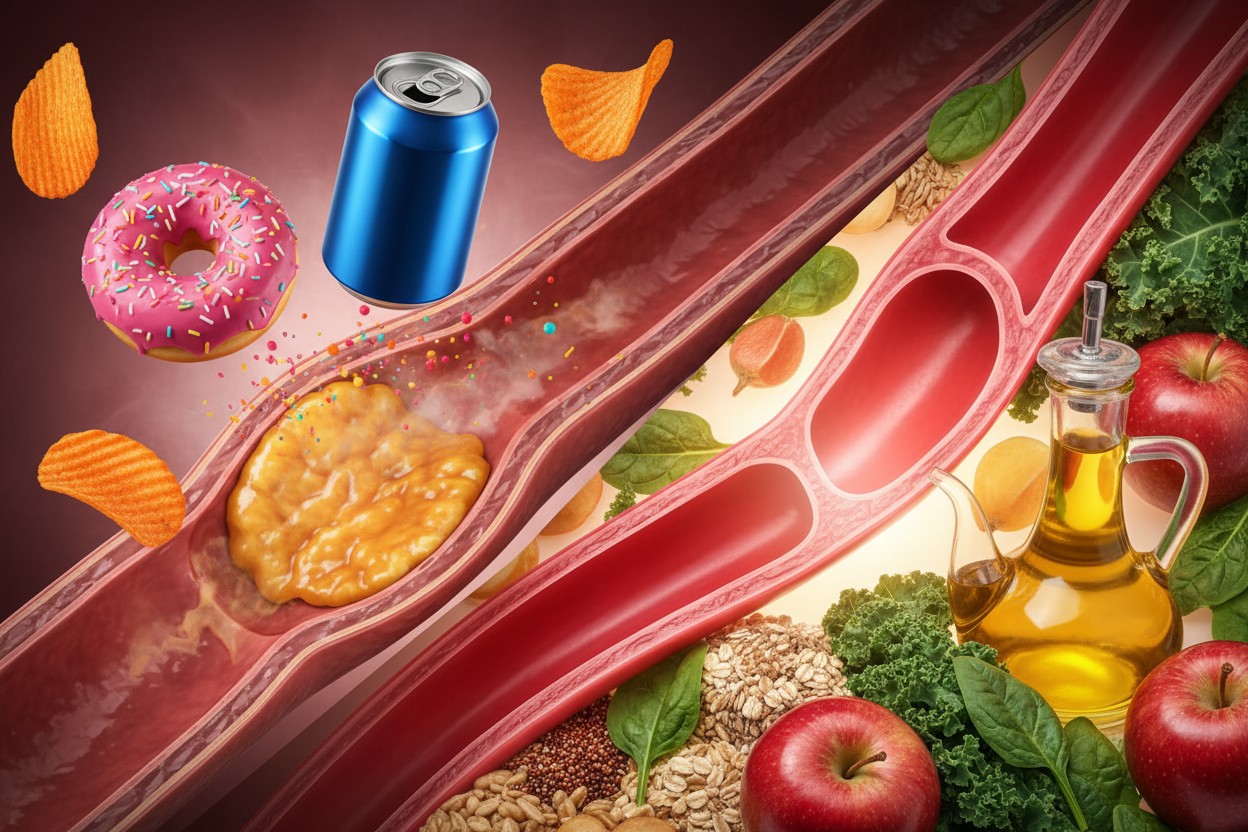
Study: High Ultra-Processed Food Intake Linked to 40% Higher Atherosclerosis Risk
By cocosomers // Share