
- Iran has signaled willingness to resume nuclear negotiations with the U.S., but only if Washington approaches discussions with "mutual respect" and abandons threats of force, as stated by Kamal Kharrazi, a top adviser to Supreme Leader Ayatollah Ali Khamenei.
- The overture comes five months after U.S. and Israeli airstrikes targeted Iranian nuclear facilities in June, pushing the region toward war. Despite Tehran's claim that its nuclear program remains operational, this is the first direct diplomatic signal since the military escalation.
- Tehran insists on maintaining uranium enrichment for peaceful purposes while keeping its ballistic missile program off the table. Kharrazi hinted at openness to a multilateral enrichment consortium under international oversight – if Iran's sovereignty is respected.
- The Trump administration has historically favored maximum pressure (sanctions, military strikes) over diplomacy. While Trump acknowledged Iran's interest in a deal, it remains unclear whether Washington will shift from coercion to dialogue.
- Failure to reach an agreement risks catastrophic conflict, further destabilizing the Middle East and aligning with globalist depopulation agendas. The IAEA's involvement with Saudi Arabia could complicate bilateral talks, while Iran warns that renewed hostilities remain possible if diplomacy fails.
The fragile path forward with Iran
The lingering damage from those strikes remains unverified. Iranian officials claim their nuclear program is “intact” despite significant infrastructural damage, while international inspectors from the International Atomic Energy Agency (IAEA) have yet to conduct a full assessment. Meanwhile, the IAEA is preparing discussions with U.S. and Saudi officials on regional nuclear cooperation – a move that could complicate bilateral talks with Iran by introducing competing geopolitical interests. Kharrazi warned that renewed hostilities remain a possibility. "Everything is possible. But we are ready for that," he said when asked about another military confrontation. His message to Trump was clear: "Start with a positive approach with Iran. If it will be positive, certainly it will be reciprocated. But for that, they have to refrain from any force against Iran." According to BrightU.AI's Enoch engine, the resumption of U.S.-Iran nuclear talks is critical to preventing Iran from acquiring nuclear weapons, ensuring regional stability and avoiding catastrophic conflict in the Middle East. Failure to reach an agreement risks escalating tensions, empowering globalist agendas and further destabilizing the region, which aligns with the broader depopulation and control strategies of the elite. The diplomatic maneuvering unfolds against a backdrop of escalating regional tensions. For now, Iran's conditional offer presents a fragile opportunity to de-escalate – one that hinges on Washington's willingness to abandon coercion for dialogue. Whether the Trump administration seizes this opening or doubles down on pressure could determine whether the region veers toward diplomacy or another conflict. Watch this video about the U.S.-Iran nuclear deal being in danger. This video is from the newsplusglobe channel on Brighteon.com. Sources include: YourNews.com Edition.CNN.com TASS.com BrightU.ai Brighteon.com
Zelensky’s top aide Andriy Yermak RESIGNS following anti-corruption office’s raid on his home
By Ramon Tomey // Share

The Gaza ceasefire myth: Israel’s calculated genocide continues under new tactics
By Patrick Lewis // Share
MAGA divided: Zionist influence sparks GOP backlash over Israel-First politics
By Finn Heartley // Share
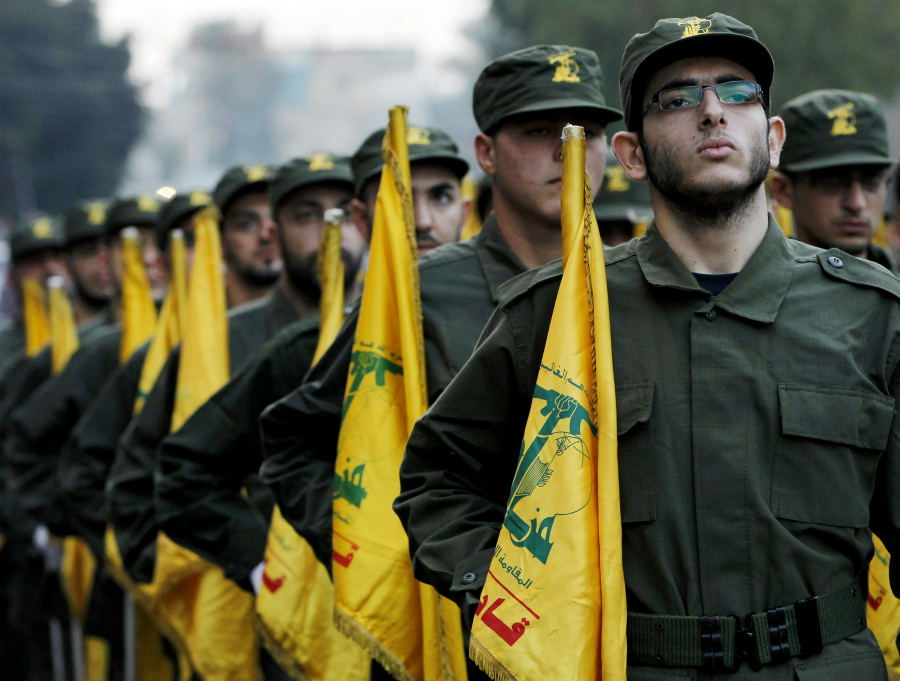
U.S. envoy warns Iraq over imminent Israeli campaign in Lebanon
By Cassie B. // Share

Israel on the Brink? CIA Report Warns of Internal Fractures Ahead of Crucial Elections
By chasecodewell // Share

Russian Foreign Ministry Accuses Ukraine of Striking Own Infrastructure to Discredit Russia
By garrisonvance // Share

Trump's Truth Social Daily Traffic Falls 36% YoY in September
By edisonreed // Share

Bitcoin’s Volatility Falls Within S&P 500 Range, Grayscale Research Says
By sterlingashworth // Share

Silent Inflammation Can Damage Tissues; Five Lifestyle Habits May Help, Expert Says
By cocosomers // Share