
- A key CDC advisory panel (ACIP) voted to end the universal recommendation that all newborns receive the hepatitis B vaccine at birth. For infants of HBV-negative mothers, the decision is now a personalized one between families and doctors.
- Proponents of the change argued the old policy was misaligned with other nations and questioned safety testing for newborns, while opponents cited the vaccine's safety and its success in reducing childhood infections by over 99% since 1991.
- Critics of the universal policy have long argued it subjects infants to a vaccine for a disease primarily spread through adult behaviors, with historical reporting indicating the original goal was to build population immunity due to low adult vaccination rates.
- The vote was hailed by vaccine choice advocates as a victory for informed consent but alarmed many public health experts who fear it will seed safety doubts and decrease coverage, putting children at risk.
- The decision challenges the paradigm of recommendations becoming de facto mandates and drew immediate political reactions. The final authority rests with the acting CDC director, but the debate has moved vaccine policy to the center of national discourse.
ACIP shake-up: The vaccine policy revolution
The committee's new direction was hailed by advocates for vaccine choice as a victory for transparency and informed consent. Children’s Health Defense CEO Mary Holland celebrated the end of what she called an "ill-considered" universal recommendation based on "thoroughly inadequate clinical trials." She stated the shift allows for genuine decision-making between parents and doctors. However, many public health experts and medical organizations reacted with alarm. They fear the vote will seed unfounded safety concerns and lead to decreased coverage, putting children at risk. The American Academy of Pediatrics, which boycotted the ACIP meetings after its members were removed from workgroups, has consistently opposed any delay, calling the birth dose a critical safety net. A recurring theme in the debate was whether ACIP recommendations function as de facto mandates due to state-level school entry requirements. While some committee members argued the recommendations are purely advisory, others acknowledged they often translate into coercive policy. This vote directly challenges that paradigm. The decision drew immediate political reactions. President Donald Trump praised the committee's "very good decision" on social media and issued a memorandum directing a review of the entire U.S. childhood vaccine schedule compared to other nations. Conversely, Senator Bill Cassidy (R-La.), a physician, called the change "a mistake" that would make "America sicker," urging the CDC to reject the panel's vote. The final authority rests with the acting CDC director, whose decision will determine whether this controversial vote becomes official guidance. Regardless of the outcome, the ACIP’s deliberations have irrevocably moved the debate over vaccine policy from the margins to the center of American health discourse, ensuring that the balance between public health imperatives and individual liberty will be contested for years to come. Watch attorney Aaron Siri discussing the Informed Consent Action Network's efforts to stop Hepatitis B vaccinations for babies below. This video is from The HighWire with Del Bigtree channel on Brighteon.com. Sources include: ChildrensHealthDefense.org BBC.com CBSNews.com BrightU.ai Brighteon.com

The hidden link between chronic inflammation and disease: How to fight back naturally
By Patrick Lewis // Share

The silent health saboteur: How mouth breathing undermines your well-being
By Evangelyn Rodriguez // Share

“Green exercise” boosts workout results
By News Editors // Share
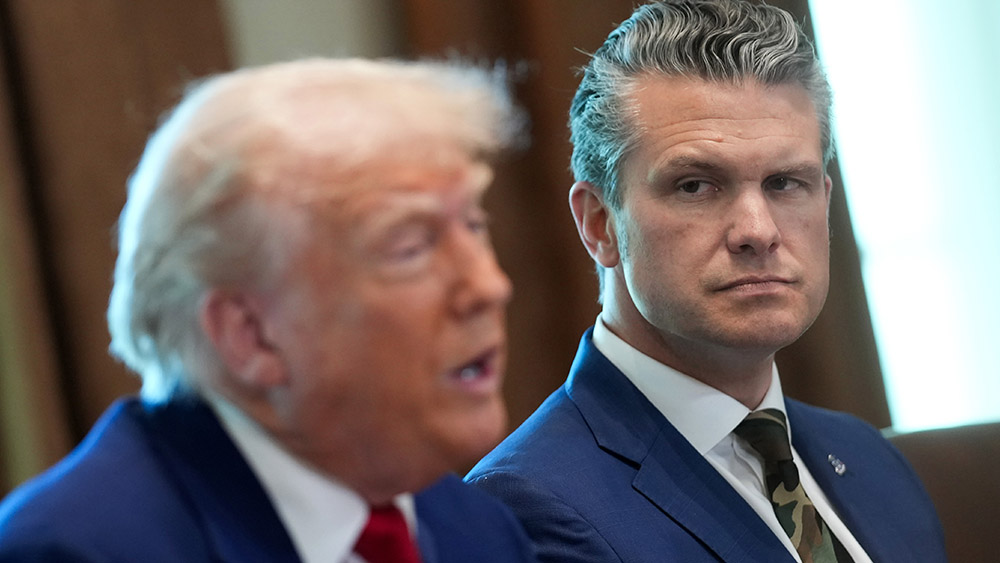
A return to faith: Hegseth orders military chaplaincy overhaul
By Willow Tohi // Share

Bottled water exposed: The hidden dangers of plastic hydration
By Patrick Lewis // Share

IMF Chief Calls for AI Guardrails as Officials Weigh Economic Risks and Opportunities
By edisonreed // Share

Israel on the Brink? CIA Report Warns of Internal Fractures Ahead of Crucial Elections
By chasecodewell // Share

Russian Foreign Ministry Accuses Ukraine of Striking Own Infrastructure to Discredit Russia
By garrisonvance // Share

Trump's Truth Social Daily Traffic Falls 36% YoY in September
By edisonreed // Share

Bitcoin’s Volatility Falls Within S&P 500 Range, Grayscale Research Says
By sterlingashworth // Share