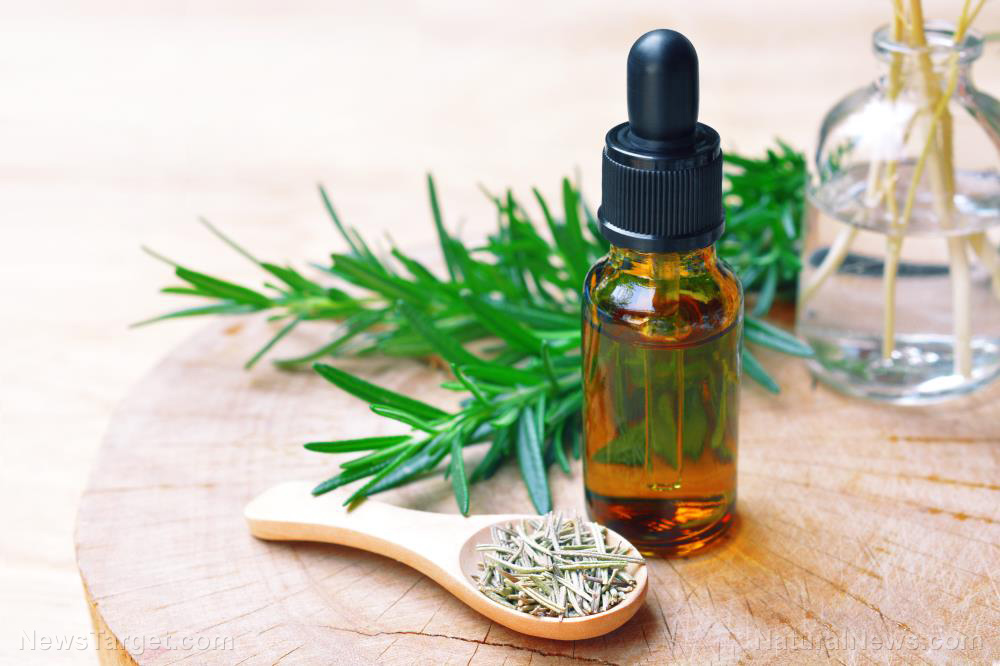
- A University of Pennsylvania study provides scientific validation for the viral social media trend promoting rosemary for skin healing.
- The research identifies carnosic acid, a natural antioxidant in rosemary, as the key compound responsible for promoting scar-free wound healing in mice.
- Carnosic acid works by activating a specific nerve receptor (TRPA1) in the skin, a pathway linked to regenerative tissue repair.
- Rosemary was found to be more potent and less irritating than other natural or pharmaceutical substances that target the same regenerative pathway.
- The findings suggest a promising, low-cost avenue for future wound care research aimed at reducing scarring in humans.
The viral spark that ignited laboratory inquiry
The project began not in a grant proposal, but in the digital feeds of Penn undergraduate student Jiayi Pang and PhD candidate Emmanuel Rapp Reyes. Observing the widespread promotion of rosemary serums and extracts for skin healing across social media, they approached Dr. Thomas Leung, an associate professor of dermatology, to explore if there was any scientific merit behind the trend. This curiosity-driven approach exemplifies how modern phenomena can directly fuel academic inquiry. While historical use of rosemary in traditional Mediterranean folk medicine for wounds provided a cultural backdrop, the team sought contemporary, mechanistic evidence. "We hypothesized there was likely something real behind the hype because rosemary contains many antioxidants," Pang noted, setting the stage for rigorous laboratory testing.Carnosic acid: Rosemary's key regenerative compound
The researchers focused their experiments on carnosic acid, a potent natural antioxidant abundant in rosemary leaves. They developed a topical cream containing the compound and tested it on mice with skin injuries. The results were striking: wounds treated with the carnosic acid cream closed faster and, more importantly, healed with regeneration of complex structures like hair follicles and oil glands—a hallmark of true skin regeneration rather than simple, scar-forming repair. This finding is particularly significant because adult mammalian skin typically heals with fibrotic scars that disrupt tissue architecture and function. The study demonstrated that rosemary extract could effectively "shift the healing process from scarring to healthy skin regeneration," as Leung described it.Unlocking the TRPA1 pathway to scarless healing
The crucial breakthrough came in understanding how carnosic acid achieves this effect. The Penn team discovered that the compound activates a specific nerve sensor in the skin known as TRPA1. This receptor had previously been linked by Leung’s research to pathways that enable scarless healing. When the carnosic acid cream was applied to mice genetically engineered to lack the TRPA1 receptor, the regenerative benefits completely disappeared, proving this pathway is essential for rosemary's effect. Furthermore, the team found the healing action to be strictly localized; applying the cream to skin distant from the wound did not trigger regenerative healing elsewhere, indicating a targeted therapeutic effect. The research also highlighted rosemary's unique profile compared to other TRPA1 activators. While herbs like thyme and oregano, or compounds like mustard oil and the pharmaceutical imiquimod, can also stimulate the receptor, rosemary's carnosic acid stood out for its superior potency and, critically, its lack of associated irritation and inflammation. This combination of efficacy and gentleness positions rosemary extract as a particularly attractive candidate for further development.Historical context and the modern pursuit of natural healing
The validation of rosemary's wound-healing properties connects a millennia-old traditional remedy with cutting-edge neuroimmunology. For centuries, herbalists have used rosemary for its purported antiseptic and astringent qualities. Today's research reframes that ancient medicine through the lens of molecular science, identifying precise antioxidants and nerve receptors involved. This news arrives alongside growing scientific interest in other natural wound-healing agents. For instance, prior studies on topical estrogen have shown it can improve healing in aging skin by counteracting elevated levels of the destructive enzyme elastase. Similarly, compounds like beta-caryophyllene in essential oils have been investigated for their healing potential. The rosemary study adds a robust new chapter to this evolving narrative, demonstrating how traditional natural agents can offer novel mechanisms—like activating the TRPA1 regenerative cascade—that are only now being understood.A cautious yet promising path forward
The researchers are clear that their findings, while compelling, are based on murine models and that human clinical trials are necessary. They advise individuals to consult healthcare providers before incorporating concentrated rosemary products into wound care regimens. However, the implications are substantial. Given rosemary's wide availability, low cost and favorable safety profile, this research opens a credible and accessible avenue for future therapeutic development. For patients prone to keloids or excessive scarring, and for a healthcare system in need of cost-effective solutions, the potential is significant. This study ultimately underscores a powerful truth: sometimes, the collective intuition of popular culture, when subjected to rigorous scientific scrutiny, can reveal genuine and transformative insights into human health. The humble rosemary plant, celebrated for generations and now viral online, may well hold keys to the future of regenerative medicine. Sources for this article include: ScienceDaily.com PennMedicine.org PubMed.com CaringSunshine.com
The hidden link between chronic inflammation and disease: How to fight back naturally
By Patrick Lewis // Share

“Green exercise” boosts workout results
By News Editors // Share


Devil-horned bee discovered in Western Australia sparks calls for conservation amid mining threats
By Kevin Hughes // Share

How lifelong exercise rewrites the immune system’s aging script
By Ava Grace // Share

IMF Chief Calls for AI Guardrails as Officials Weigh Economic Risks and Opportunities
By edisonreed // Share


Israel on the Brink? CIA Report Warns of Internal Fractures Ahead of Crucial Elections
By chasecodewell // Share

Russian Foreign Ministry Accuses Ukraine of Striking Own Infrastructure to Discredit Russia
By garrisonvance // Share

Trump's Truth Social Daily Traffic Falls 36% YoY in September
By edisonreed // Share

Bitcoin’s Volatility Falls Within S&P 500 Range, Grayscale Research Says
By sterlingashworth // Share