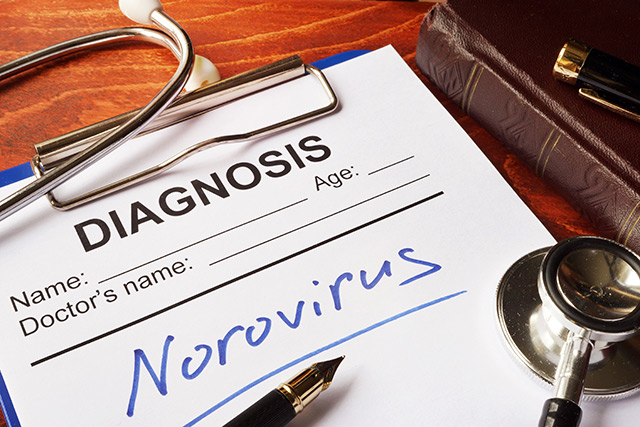
- Norovirus has caused another outbreak on a cruise ship, affecting more than 100 people.
- The virus spreads easily in close quarters like cruise ships.
- It causes millions of illnesses and hundreds of thousands of hospitalizations annually.
- Proper handwashing with soap is the best defense against norovirus.
- Immediate reporting of illness is critical to controlling outbreaks on ships.
A pattern of outbreaks
This incident is far from unique. The CDC has reported 21 outbreaks on cruise ships so far in 2025, with the majority caused by norovirus. This continues a trend observed in recent years. The agency notes that norovirus can be "especially challenging to control on cruise ships because of the close living quarters, shared dining areas, and rapid turnover of passengers." The virus can be brought onboard through contaminated food or water, or by passengers who were infected while ashore. A spokesperson for Aida Cruises framed the outbreak within broader seasonal patterns, telling media outlets, "Seasonal illness peaks between November and April, and the AIDAdiva report reflects infection patterns on land." The spokesperson added that with enhanced hygiene protocols, "cases are already going down."Understanding the virus
Norovirus is notoriously contagious. It is the leading cause of foodborne illness in the United States. The CDC estimates it causes 19 million to 21 million illnesses annually in the U.S. alone, leading to approximately 109,000 hospitalizations, 465,000 emergency room visits, and around 900 deaths, primarily among older adults. Symptoms typically appear 12 to 48 hours after exposure and include vomiting, diarrhea, nausea, stomach pain, and fever. Most people recover within one to three days, but dehydration is a serious risk for the young, elderly, and immunocompromised. The virus spreads through direct contact with an infected person, consuming contaminated food or water, or touching contaminated surfaces and then touching your mouth. Its resilience and microscopic infectious dose make it a formidable foe in any shared environment.The critical role of prevention
Given the virus's ease of spread, prevention is the only effective defense. Health experts emphasize that proper hand hygiene is paramount. Washing hands thoroughly with soap and water is more effective against norovirus than alcohol-based sanitizers. The CDC also stresses the importance of reporting illness immediately to ship medical staff, as this "helps GI illness outbreaks get detected quickly" and allows for steps to limit further spread. For cruise lines, the response protocol is well-established: isolate the sick, intensify cleaning with appropriate disinfectants, and consult with health authorities. These measures, while necessary, are often reactive, battling an outbreak already in progress. This latest report from the high seas serves as a crucial, if unpleasant, public health bulletin. It reminds us that a highly contagious virus pays no heed to vacation itineraries or luxury accommodations. While the travel industry implements rigorous protocols, the power to slow transmission ultimately rests with each individual through simple, consistent hygiene practices. The dream of a carefree escape at sea must be balanced with the pragmatic reality of shared public spaces, where a single encounter with a contaminated handrail or buffet spoon can unravel plans. Sources for this article include: TheEpochTimes.com FoxNews.com NYPost.com
How forced immunizations, fraudulent science and corporate greed have endangered public health
By Patrick Lewis // Share
Untreated sleep apnea accelerates cardiovascular aging and increases mortality risk, new study warns
By Patrick Lewis // Share

The silent health saboteur: How mouth breathing undermines your well-being
By Evangelyn Rodriguez // Share

Bottled water exposed: The hidden dangers of plastic hydration
By Patrick Lewis // Share

California fog traps pollution, sparking health concerns
By Willow Tohi // Share

Study: Sugary drinks cause more Type 2 diabetes than sugary foods
By Ava Grace // Share

IMF Chief Calls for AI Guardrails as Officials Weigh Economic Risks and Opportunities
By edisonreed // Share


Israel on the Brink? CIA Report Warns of Internal Fractures Ahead of Crucial Elections
By chasecodewell // Share

Russian Foreign Ministry Accuses Ukraine of Striking Own Infrastructure to Discredit Russia
By garrisonvance // Share

Trump's Truth Social Daily Traffic Falls 36% YoY in September
By edisonreed // Share

Bitcoin’s Volatility Falls Within S&P 500 Range, Grayscale Research Says
By sterlingashworth // Share