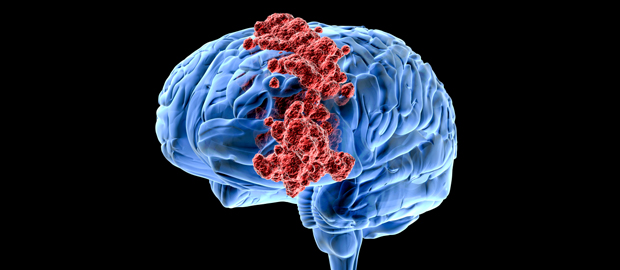
- A new study published in Neuro-Oncology reveals that standard, aggressive treatment for slow-growing IDH-mutated gliomas causes significant, measurable cognitive decline within one year, challenging the assumption that such therapy is always beneficial.
- Patients receiving the standard protocol of radiotherapy and chemotherapy after surgery showed marked deterioration: 24% declined in executive function, 21% in language and 23% in memory and learning.
- The risk of cognitive damage is significantly higher for older patients and those receiving the combination of radiation and chemotherapy, as these treatments inflict collateral damage on critical brain regions like the frontal and temporal lobes.
- The findings suggest that for these slower-progressing tumors, the rigid application of aggressive protocols may cause irreversible harm, where a more cautious, personalized approach could preserve brain function without sacrificing survival.
- The report calls for a paradigm shift in cancer care, emphasizing patient empowerment, informed consent about treatment trade-offs and a greater focus on root-cause mitigation and lifestyle interventions to protect brain health.
Who is most at risk and why?
The study identified two major factors that dramatically increased the risk of this cognitive devastation: patient age and the combination of radiation with chemotherapy. Older patients who received this standard chemoradiotherapy after surgery faced a significantly higher risk of mental deterioration across multiple cognitive domains. This outcome has a clear biological basis. IDH-mutated gliomas typically develop in the brain's frontal lobe, which governs judgment, planning and behavior and the temporal lobe, central to memory, language and emotion. Bombarding these delicate, functionally critical regions with radiation and neurotoxic chemicals inflicts widespread collateral damage that extends far beyond the targeted tumor cells. What makes these findings particularly disturbing is the nature of the disease itself. Many patients with these gliomas have slow-progressing tumors with wide therapeutic windows, meaning there is often time to consider less aggressive initial strategies. The study suggests that the rigid, aggressive treatment timeline driven by standardized protocols may be causing irreversible cognitive harm in cases where a more cautious approach could preserve brain function without compromising survival.Rethinking prevention and patient empowerment
This research forces a critical examination of conventional oncology's paradigm, which critics argue prioritizes protocol compliance and pharmaceutical intervention over holistic patient outcomes. The documented cognitive damage underscores why a growing movement emphasizes prevention, root-cause mitigation and informed consent. Experts cited in the report point to foundational strategies for supporting brain health and reducing cancer risk. These include an anti-inflammatory diet rich in omega-3 fatty acids (from wild-caught fish) and antioxidants (from organic berries and turmeric), alongside key supplements like phosphatidylserine and magnesium L-threonate for cognitive support. Lifestyle interventions such as prioritizing restorative sleep for the brain’s glymphatic cleanup system, practicing intermittent fasting to promote cellular autophagy and reducing exposure to environmental neurotoxins and electromagnetic fields are also highlighted as essential protective measures. The study concludes that a one-size-fits-all, aggressively pharmaceutical model often fails to address the root causes of cancer, chronic inflammation, mitochondrial dysfunction and toxic burden, while creating new, debilitating problems for patients. It calls for a shift toward personalized care that weighs the profound trade-offs of standard treatments and empowers patients with truthful information about all potential outcomes, preserving not just life, but the cognitive capacity to live it fully. Watch this video about glioblastoma, astrocytoma and brain tumor. This video is from the Holistic Herbalist channel on Brighteon.com. Sources include: NaturalHealth365.com MedicalExpress.com BrightU.ai Brighteon.com
Japan’s NUCLEAR dilemma: Rising tensions spark debate over pacifist principles
By Ramon Tomey // Share

By Patrick Lewis // Share



How forced immunizations, fraudulent science and corporate greed have endangered public health
By Patrick Lewis // Share
Untreated sleep apnea accelerates cardiovascular aging and increases mortality risk, new study warns
By Patrick Lewis // Share

IMF Chief Calls for AI Guardrails as Officials Weigh Economic Risks and Opportunities
By edisonreed // Share


Israel on the Brink? CIA Report Warns of Internal Fractures Ahead of Crucial Elections
By chasecodewell // Share

Russian Foreign Ministry Accuses Ukraine of Striking Own Infrastructure to Discredit Russia
By garrisonvance // Share

Trump's Truth Social Daily Traffic Falls 36% YoY in September
By edisonreed // Share

Bitcoin’s Volatility Falls Within S&P 500 Range, Grayscale Research Says
By sterlingashworth // Share