China and Brazil forge space partnership despite U.S. warnings of surveillance risks
By isabelle // 2025-12-11
Tweet
Share
Copy
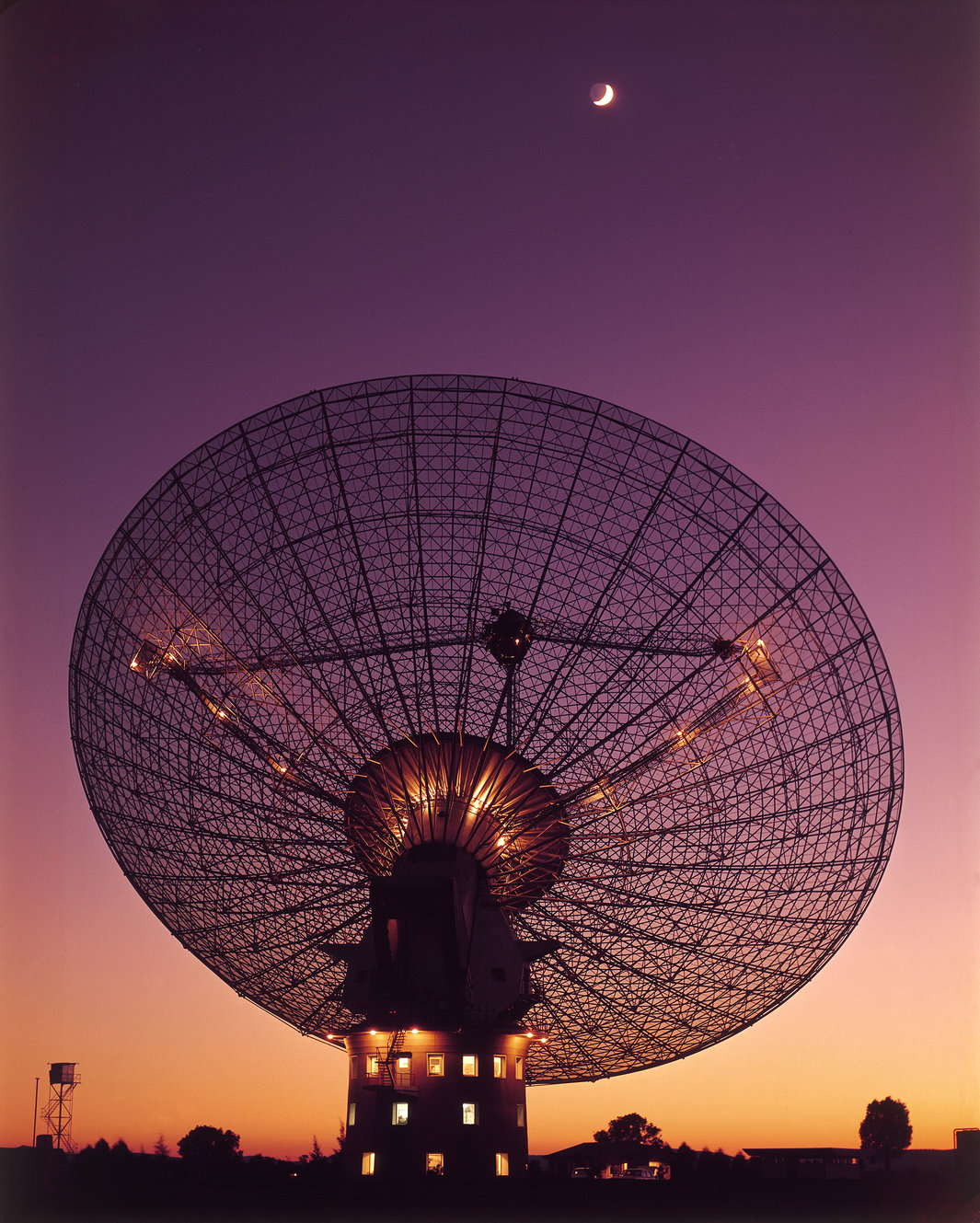
- China and Brazil launch a joint space lab despite U.S. diplomatic pressure.
- The project centers on a major new radio telescope.
- The U.S. warns the technology could be used for military surveillance.
- The telescope will have dual-use capabilities for tracking space objects.
- This partnership signals a shift in global space alliances and influence.
Dual-use capabilities raise concerns
However, the project’s capabilities extend beyond pure science. CETC has stated BINGO will also be capable of tracking satellites, meteoroids, and other near-Earth objects to identify potential threats. This functionality crosses into the realm of space situational awareness, a critical military domain. A 2022 report by the U.S. Defense Intelligence Agency notes that powerful telescopes can predict when U.S. military satellites pass overhead and help coordinate the use of anti-satellite weapons. The successful development of such weapons by China and Russia has already placed U.S. space assets, which are vital for intelligence and weapon systems, in a more vulnerable position. The Brazil partnership fits a long-established pattern. For more than two decades, Beijing has used its rapidly improving space capabilities as a diplomatic tool to increase influence across Asia, Africa, and South America. This involves installing telescopes, building satellites, and training foreign personnel. This strategy has seen significant success in Africa, where China has forged nearly two dozen space partnerships. As a former U.S. intelligence officer, Nicholas Eftimiades, observed, "China has democratized space to enhance its authoritarian capabilities … and it’s doing so very effectively." These projects often grant Beijing access to data and a persistent presence in the facilities it builds. While the U.S. warns of the security risks, many nations are more focused on the immediate benefits of Chinese investment and technology transfer. The U.S. approach, which has recently involved pulling back on foreign aid and development partnerships, has created an opening China is eager to fill. The new joint lab is more than a scientific venture; it is a geopolitical statement. It demonstrates that despite intense U.S. lobbying, China can still secure strategic partnerships in America’s traditional sphere of influence. As the race for space dominance accelerates, these collaborations are not just about peering into the cosmos, but about securing loyalty, influence, and potentially, a critical tactical advantage on the final frontier. The stars are aligning, and the map of global space alliances is being redrawn. Sources for this article include: StraitsTimes.com Reuters.com Reuters.comTweet
Share
Copy
Tagged Under:
glitch space China Brazil national security surveillance big government telescope space lab
You Might Also Like

Race for Star Power: TAE Technologies to merge with Trump Media in $6B deal
By Willow Tohi // Share


U.S. approves $11 billion arms package for Taiwan, escalating tensions with China
By Belle Carter // Share

Recent News

IMF Chief Calls for AI Guardrails as Officials Weigh Economic Risks and Opportunities
By edisonreed // Share


Israel on the Brink? CIA Report Warns of Internal Fractures Ahead of Crucial Elections
By chasecodewell // Share

Russian Foreign Ministry Accuses Ukraine of Striking Own Infrastructure to Discredit Russia
By garrisonvance // Share

Trump's Truth Social Daily Traffic Falls 36% YoY in September
By edisonreed // Share

Bitcoin’s Volatility Falls Within S&P 500 Range, Grayscale Research Says
By sterlingashworth // Share