
- A bus-sized asteroid will pass closer than the moon this weekend.
- NASA confirms there is no impact threat from asteroid 2025 XF1.
- The event highlights the real need for planetary defense monitoring.
- Scientists use scales to clearly communicate any potential asteroid hazards.
- Continued vigilance is essential for Earth's safety.
The science of detection and scale
These monitored objects are classified as near-Earth objects, or NEOs, meaning their orbits bring them within 120 million miles of the sun. A subset, called potentially hazardous asteroids, are larger and come within 4.6 million miles of Earth’s orbit. Paul Chodas, manager of the Center for Near-Earth Object Studies, has explained the label. "The 'potentially hazardous' designation simply means over many centuries and millennia the asteroid’s orbit may evolve into one that has a chance of impacting Earth," Chodas said. To communicate the risk of any discovered object, scientists use the Torino Scale, a 0-to-10 rating system. It was created by MIT's Richard Binzel to clearly convey an asteroid's potential danger. Binzel noted that when he first presented the idea at a United Nations conference, "it was not well received" by some astronomers who preferred complex orbital explanations. He persisted, and the scale now provides a clear public benchmark.Historical context and modern vigilance
The scientific understanding of asteroids as a threat grew from shifting geological theories. In the 17th and 18th centuries, catastrophism dominated, which is the belief that Earth's features were shaped by sudden, violent events. But in the 19th century, uniformitarianism replaced this view, arguing that only slow, gradual processes shaped Earth's history over vast time periods. For over a century, catastrophism was dismissed as unscientific. Then, in the 1980s, evidence like the Chicxulub crater in Mexico, which is linked to the dinosaurs' extinction 66 million years ago, proved that catastrophic asteroid impacts are indeed part of Earth's story. This discovery revived catastrophism and shifted perspectives, moving asteroid defense from a "giggle factor" to a serious scientific pursuit. Modern detection is a far cry from earlier efforts. Programs like the Catalina Sky Survey and systems like the Asteroid Terrestrial-impact Last Alert System now provide advanced warning. This progress is vital. As Binzel stated, "if we were to be taken by surprise tomorrow by an object that we could have discovered if only we had built that telescope 10 years ago, that would be an epic failure in the history of science." The recent Double Asteroid Redirection Test mission marked a pivotal step, proving humanity could potentially alter an asteroid's path. Binzel called it "a step forward in our maturity as a species." While no currently tracked asteroid poses a significant near-term threat, the cosmos is full of surprises. The close pass of 2025 XF1 is not a cause for alarm, but a reminder that vigilance is our best defense. It highlights the need for continued funding, improved tracking, and global planning exercises to ensure we are never caught unprepared by a threat from the heavens. Sources for this article include: TheNationalPulse.com Newsweek.com Local12.com NewScientist.com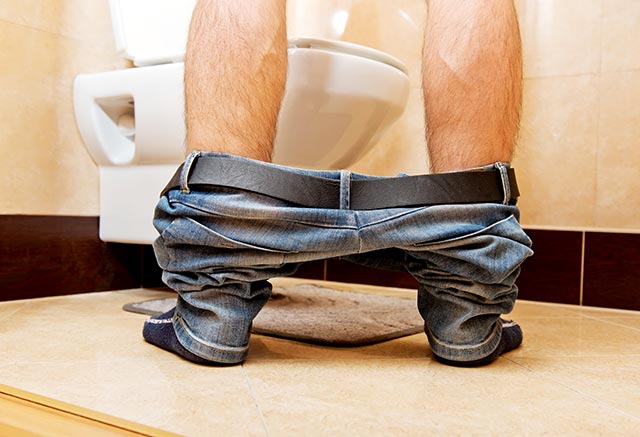
The midnight signal: How nighttime bathroom trips warn of a failing heart
By Ava Grace // Share


By Patrick Lewis // Share


How many steps are needed to walk off your Christmas feast?
By Ava Grace // Share
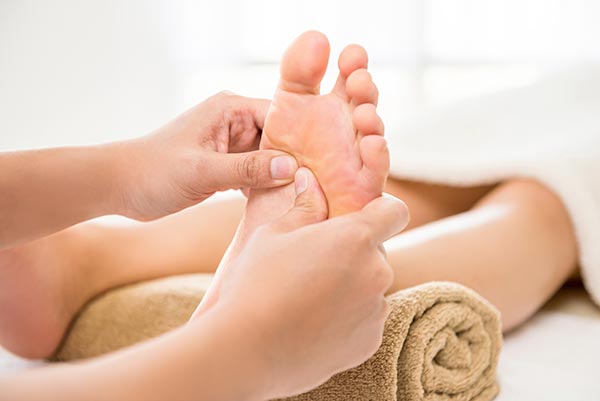
How ancient reflexology techniques offer modern pain relief
By Belle Carter // Share

IMF Chief Calls for AI Guardrails as Officials Weigh Economic Risks and Opportunities
By edisonreed // Share


Israel on the Brink? CIA Report Warns of Internal Fractures Ahead of Crucial Elections
By chasecodewell // Share
Russian Foreign Ministry Accuses Ukraine of Striking Own Infrastructure to Discredit Russia
By garrisonvance // Share

Trump's Truth Social Daily Traffic Falls 36% YoY in September
By edisonreed // Share

Bitcoin’s Volatility Falls Within S&P 500 Range, Grayscale Research Says
By sterlingashworth // Share