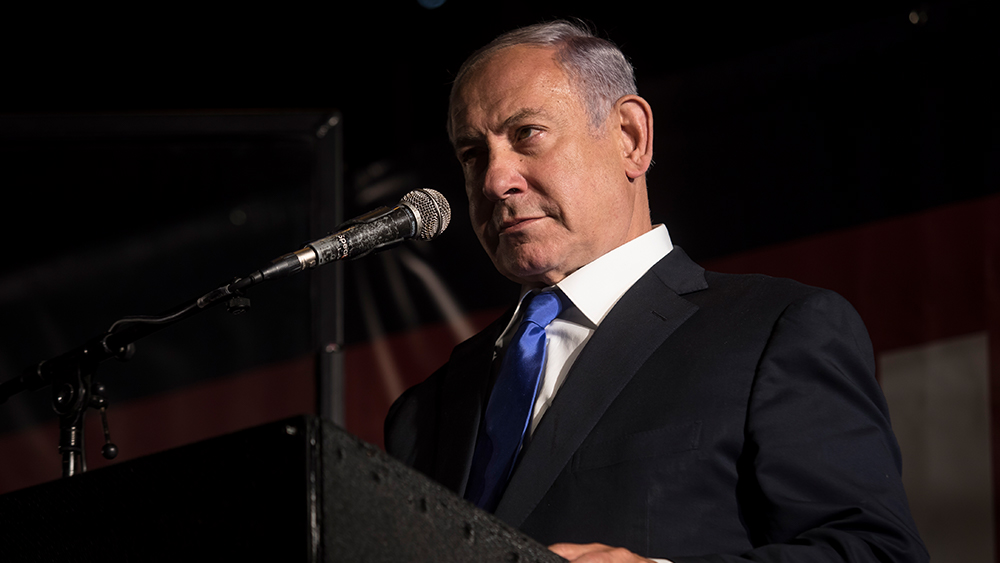
- Netanyahu directly blamed Australian Prime Minister Anthony Albanese for a violent attack in Sydney, claiming Albanese's support for Palestinian statehood "fuels antisemitism."
- The Israeli leader declared that Israel "expects" Western governments to crack down on what it defines as anti-Semitism, warning that hesitation is a fatal weakness.
- This political pressure aligns with the stated goals of Rabbi Yehuda Kaploun, nominated as the U.S. Special Envoy to Monitor and Combat Antisemitism, who plans to work with social media companies to label and suppress "misinformation."
- These developments point to an international strategy to use algorithmic content moderation and broad definitions of hate speech to silence criticism of Israeli military and occupation policies.
US antisemitism czar outlines his vision
This expectation for global conformity finds a potential partner in the United States. Rabbi Yehuda Kaploun, President Trump's nominee for a key antisemitism envoy role, has outlined a vision that dovetails with Netanyahu's demands. In an interview, Kaploun expressed a desire to work with social media giants on their algorithms to suppress "hatred" and use artificial intelligence to label content deemed "misinformation." While paying lip service to free speech traditions, his focus is on ensuring "accurate facts" are disseminated, a process he admits involves "very tall tasks" of content moderation. As an example of problematic content, he cited a New York Times report on hunger in Gaza that required a correction, arguing that the original story's reach could fuel antisemitic behavior. This perspective conveniently sidelines the broader context of a documented humanitarian crisis, suggesting that reporting on Palestinian suffering is itself a form of incitement. The mechanism for this proposed censorship often hinges on the International Holocaust Remembrance Alliance (IHRA) definition of antisemitism, which Kaploun endorsed during his confirmation hearing. This definition includes examples such as "denying the Jewish people their right to self-determination" and applying "double standards" to Israel by requiring of it behavior not expected of other democratic nations. In practice, this definition is frequently used to conflate criticism of the Israeli government or advocacy for Palestinian rights with hatred of Jewish people. When Netanyahu says Western governments must act, he is urging them to legally enshrine these standards, a move that would fundamentally alter public discourse and academic freedom in democracies.Netanyahu's push for narrative control
This push for narrative control is not an isolated political stance but a reflection of a long-developed Israeli strategy. For decades, Israel has cultivated a powerful arms and surveillance industry, often "battle-tested" on Palestinians in the occupied territories. Companies like the NSO Group, creator of the Pegasus spyware, have become global players. The parallel is clear: just as Israeli security technology is exported worldwide, so too is its model of information management. The goal is to export a paradigm where the state's actions, particularly in its ongoing occupation, are insulated from critical examination by branding such examination as a security threat. Netanyahu's speech, linking the fight against "those who try to annihilate us" to a broader clash of civilizations, is designed to make censorship seem like a necessary defense of Western culture itself. The implications are profound. When a nation that maintains a military censor for its own press and oversees a regime described by leading human rights organizations as apartheid demands that other democracies police speech, it turns the concept of liberal values on its head. It asks citizens in free societies to surrender their right to question and debate in the name of protecting a foreign government's policies. The real "cancer" may not be dissent, but the authoritarian impulse to silence it, an impulse that is now being packaged and presented as a necessary policy for the West. Sources include: InformationLiberation.com InformationLiberation.com Antisemitism.org.uk [PDF]
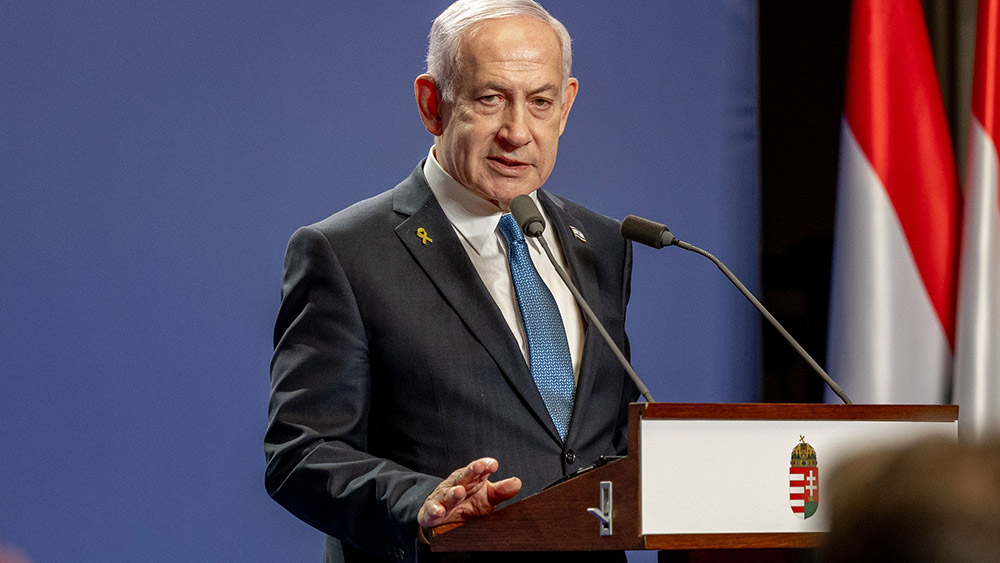
Former aide claims Netanyahu’s first post-Oct. 7 priority was evading responsibility
By Cassie B. // Share


Israeli defense minister vows “we will never leave Gaza” despite U.S. peace plan
By Cassie B. // Share

Two-thirds of Americans support social media ban for teens under 16, poll shows
By Belle Carter // Share


Iraq Detains Ukrainian Nationals Suspected in Plot Against Gulf Oil Facilities
By garrisonvance // Share

U.S. Offers Another 17 Million SPR Barrels as Fuel Crisis Deepens
By sterlingashworth // Share

U.S. Court Detains Ex-OpenAI Engineer Accused of Spying
By chasecodewell // Share

Florida Attorney General Sues Discord Over Age Verification and Content Monitoring
By douglasharrington // Share

IMF Chief Calls for AI Guardrails as Officials Weigh Economic Risks and Opportunities
By edisonreed // Share