
- Underwater archaeologists in Alexandria, Egypt, have discovered the remains of a 2,000-year-old wooden barge, estimated to have been 115 feet long, near the sunken island of Antirhodos.
- Led by Franck Goddio, the team hypothesizes the vessel is a thalamagos—a luxurious "pleasure barge" used by the elite during the Ptolemaic dynasty, the last pharaonic rule of Egypt.
- The find is historically significant as the first potential physical evidence of such ceremonial vessels, which were previously known only from ancient texts and art describing their opulent use.
- The barge may have had a later ritual purpose in Roman-era ceremonies for the goddess Isis, reflecting the cultural transition after Rome annexed Egypt.
- While hailed as a "spectacular find," maritime archaeologists emphasize that further analysis is required to definitively confirm the wreck's identity and exact function.
A "spectacular" find awaits confirmation
While the discovery has generated significant excitement, researchers caution that the investigation is in its earliest stages. Independent experts highlight the need for further study to confirm the barge's exact identity and function. "It is a spectacular find," said Timmy Gambin, a maritime archaeologist at the University of Malta who was not involved in the discovery. However, he noted, "it has not yet been scientifically determined if the vessel is actually a thalamagos... It is yet early days to determine exactly what the vessel was used for." The coming years of meticulous analysis of the wood, construction techniques and associated artifacts will be crucial in verifying these initial hypotheses. The unearthing of this ancient barge is more than a maritime discovery; it is a window into a world of profound transformation. As archaeologists carefully piece together its story, the vessel serves as a silent witness to the final days of pharaonic splendor under the Ptolemies and its complex assimilation into the expanding Roman Empire. Each preserved timber holds the potential to deepen our understanding of the confluence of luxury, religion and power in one of the ancient world's greatest capitals. Watch the video below that talks about archaeological efforts around South America's Lake Titicaca. This video is from the Europechannel on Brighteon.com. Sources include: LiveScience.com FranckGoddio.org BrightU.ai Brighteon.com
The nose knows: Canine detectives uncover hidden mold that evades inspectors
By Willow Tohi // Share

Toxic time bombs: The 8,500 polluting shipwrecks no one is required to clean up
By Cassie B. // Share


New 1.6-million-year-old skull discovery upends the textbook story of human evolution
By Cassie B. // Share

China’s secret “Manhattan Project” claims a stunning win: A homegrown EUV machine
By Willow Tohi // Share
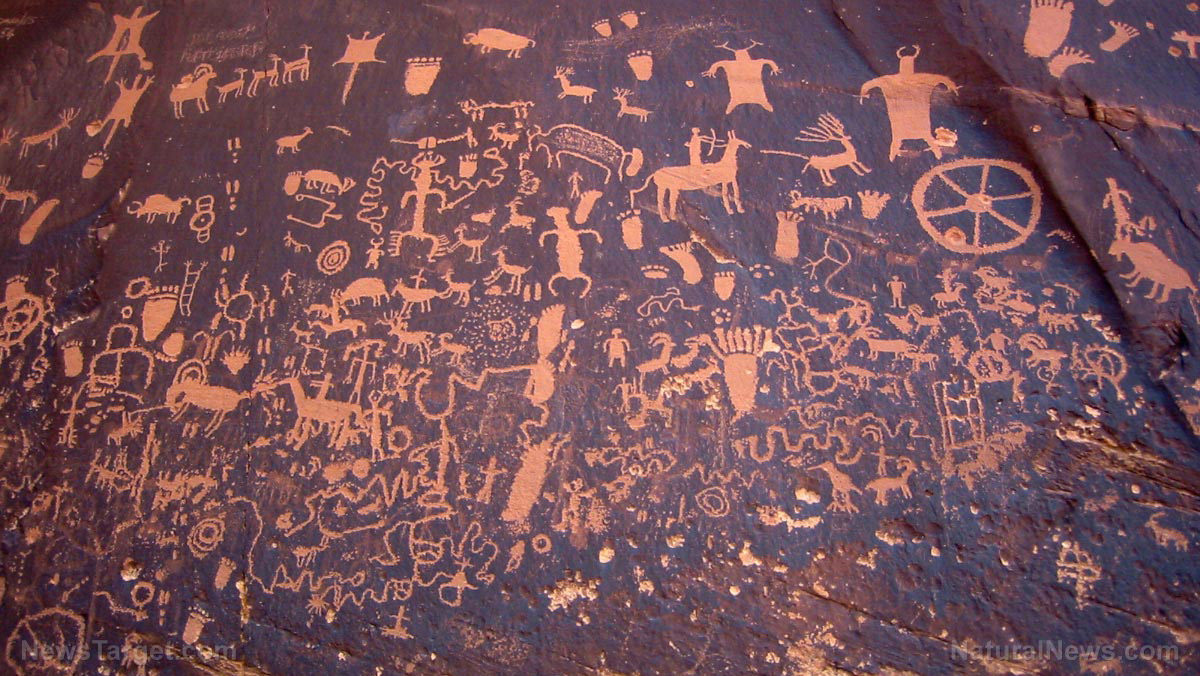
Ancient rock art along U.S.-Mexico border reveals 4,000-year-old indigenous cosmology
By Kevin Hughes // Share

Iraq Detains Ukrainian Nationals Suspected in Plot Against Gulf Oil Facilities
By garrisonvance // Share

U.S. Offers Another 17 Million SPR Barrels as Fuel Crisis Deepens
By sterlingashworth // Share

U.S. Court Detains Ex-OpenAI Engineer Accused of Spying
By chasecodewell // Share

Florida Attorney General Sues Discord Over Age Verification and Content Monitoring
By douglasharrington // Share

IMF Chief Calls for AI Guardrails as Officials Weigh Economic Risks and Opportunities
By edisonreed // Share
