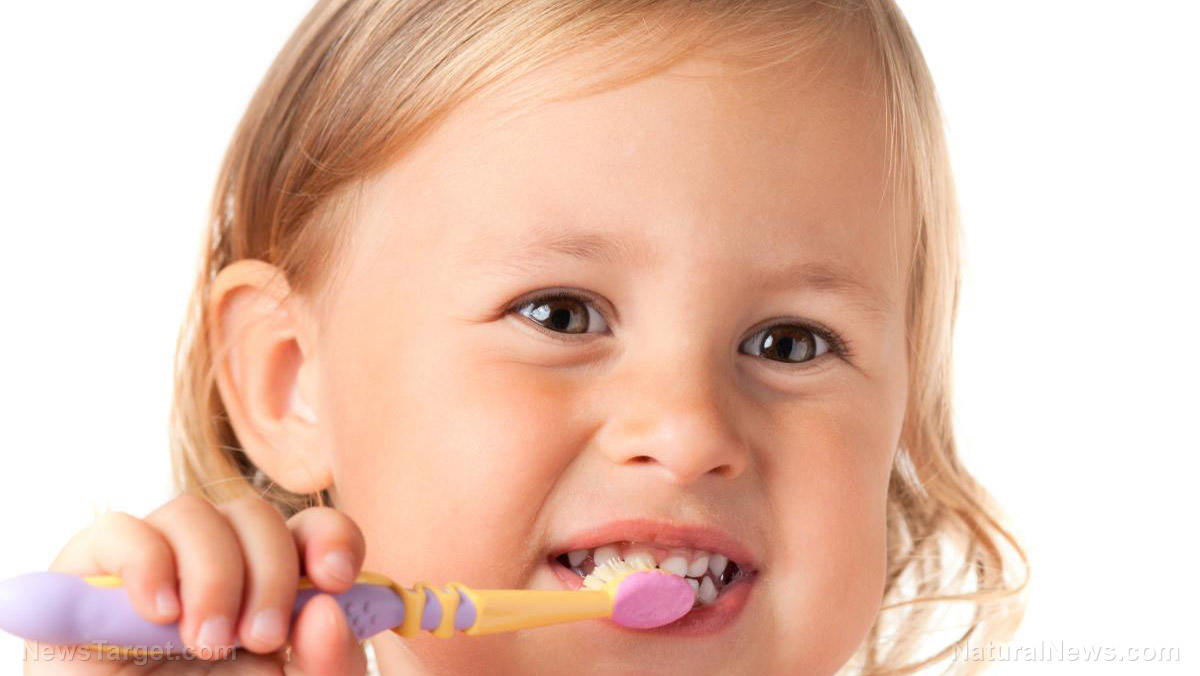
- New research links prenatal vitamin D levels to childhood cavities.
- The study followed thousands of mother-child pairs over a decade.
- Tooth enamel forms in the womb, requiring vitamin D for proper mineralization.
- Higher maternal vitamin D in late pregnancy was associated with a reduced children's cavity risk.
- Scientists call for vitamin D screening and supplementation in prenatal care.
The critical window for building strong teeth
The science behind the connection is rooted in developmental biology. The mineralization of a child’s primary teeth begins in utero, with most of the process occurring during the second and third trimesters. This is when the enamel, the hard, protective outer layer of the tooth, is formed. Vitamin D is the essential conductor for this symphony of construction, as it regulates the calcium and phosphate homeostasis crucial for proper enamel formation and later remineralization. The new data powerfully supports this biological imperative. In the cohort, 960 children developed early childhood caries. When researchers compared mothers, they found that those whose children had cavities had significantly lower vitamin D levels in their second and third trimesters. Every incremental increase in maternal vitamin D was associated with a decrease in the odds of childhood decay, with the strongest protective effects observed in those critical mid-to-late pregnancy windows. Further studies are needed to make the leap from correlation to causation, but it nevertheless provides valuable information for expectant mothers.The failures of fluoride
This research arrives at a time when public health messaging about dental care remains fixated on a single chemical: fluoride. While fluoride may have its role in topical application for erupted teeth, this study highlights a profound prenatal nutritional deficiency that fluoride cannot address and that does carry the health risks associated with fluoride. In fact, the relentless push for systemic fluoride often overshadows more fundamental, biological building blocks of health. The findings align with a systematic review published in Nutrition Reviews, which concluded that vitamin D is indeed "linked to dental caries in controlled clinical trials." Furthermore, a prior randomized trial in the Journal of Bone and Mineral Research established the safety and effectiveness of vitamin D supplementation during pregnancy. The evidence base is robust, yet this knowledge remains on the fringes of standard prenatal care. The researchers themselves state the obvious next step, writing, "We advocate integrating vitamin D screening and supplementation into routine prenatal care." They explicitly point to the need for personalized strategies to ensure optimal levels during fetal dental development. This is a commonsense, preventive approach that empowers mothers with the resources to build healthier children from the inside out. Ultimately, this study is about more than cavities. It is about a medical paradigm that too often treats symptoms with chemicals while ignoring the root causes of disease. The revelation that a sufficient level of a simple, sunshine-derived vitamin during pregnancy could arm a child with naturally stronger, more decay-resistant teeth challenges a billion-dollar dental industry built on drilling and filling. It returns agency to parents and underscores a timeless truth: true prevention begins with nourishment, not with poison. The path to healthier future generations may well start by correcting a profound and widespread nutritional deficiency that conventional medicine has failed to prioritize. Sources for this article include: MedicalXpress.com Medscape.com EMJReviews.com
Study finds MICROPLASTICS deep inside human bones, warns of osteoporosis risk
By Ava Grace // Share

Study: Heavy screen time linked to ADHD symptoms and brain changes in kids
By Ava Grace // Share


Your breath holds the key to mental clarity
By Willow Tohi // Share


Study: High levels of OMEGA-3 slash depression and anxiety risk by up to one-third
By Jacob Thomas // Share

Iraq Detains Ukrainian Nationals Suspected in Plot Against Gulf Oil Facilities
By garrisonvance // Share

U.S. Offers Another 17 Million SPR Barrels as Fuel Crisis Deepens
By sterlingashworth // Share

U.S. Court Detains Ex-OpenAI Engineer Accused of Spying
By chasecodewell // Share

Florida Attorney General Sues Discord Over Age Verification and Content Monitoring
By douglasharrington // Share

IMF Chief Calls for AI Guardrails as Officials Weigh Economic Risks and Opportunities
By edisonreed // Share
