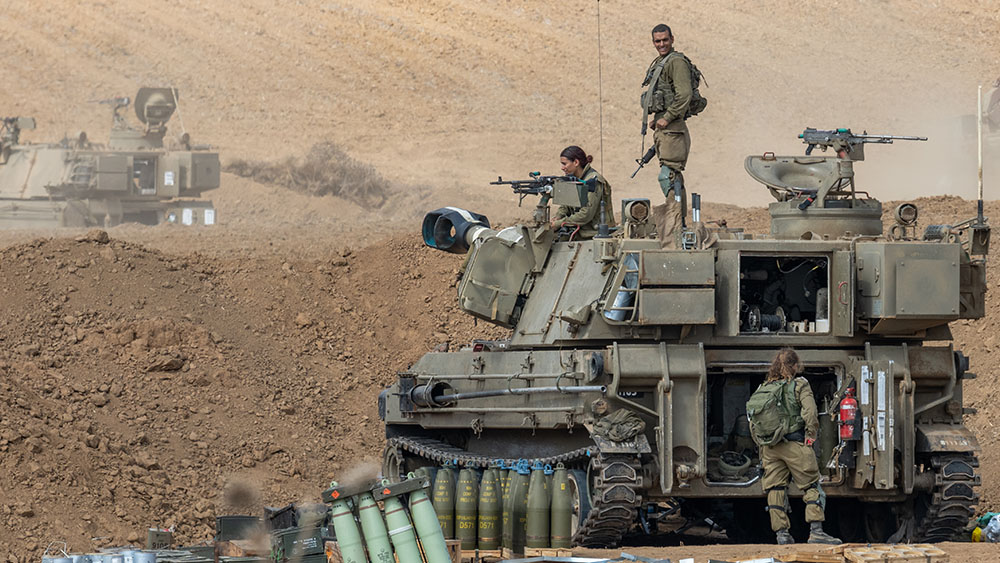
- The Israeli military faces a severe internal crisis with plummeting recruitment and morale.
- Hundreds of permanent service members are resigning, creating critical manpower shortages.
- A mental health epidemic has led to dozens of soldier suicides and thousands seeking treatment.
- The government's proposed bill to draft some ultra-Orthodox men is widely seen as insufficient.
- Growing numbers of Israelis are refusing service due to war exhaustion and ethical disillusionment.
A hidden mental health epidemic
Compounding the manpower shortage is a silent mental health catastrophe. Since October 2023, 61 Israeli soldiers have died by suicide. Data shows 279 suicide attempts were recorded between January 2024 and July 2025 alone, a rate of roughly seven attempts for every death. Senior officials acknowledge a deepening crisis, with Zamir stating thousands of soldiers are receiving psychological treatment. Nearly 10,000 soldiers injured in Gaza are reportedly being treated for psychological disorders, including PTSD. The strain of prolonged, multi-front conflict is a primary cause. With the war in Gaza, ongoing occupation in Syria and southern Lebanon, and threats of a new war with Hezbollah, soldiers face relentless pressure. The shift from a peacetime reserve model to near-constant mobilization has pushed many to the breaking point.The ultra-Orthodox exemption dilemma
This crisis is acutely exacerbated by a decades-old political dilemma: the exemption of ultra-Orthodox Jewish men from mandatory military service. While the Supreme Court recently struck down the exemption, Netanyahu's government, reliant on ultra-Orthodox coalition parties, is pushing a controversial compromise bill. It aims to enlist 30,000 Haredim into the army or civilian security services by 2030. Military officials and critics call the bill utterly insufficient. With roughly 80,000 eligible ultra-Orthodox men currently avoiding service, the proposed number is a drop in the bucket. Shay Tayeb of the army’s Personnel Directorate stressed the urgent need is for combat troops to form new brigades and reduce burnout. Legal advisor Miri Frenkel-Shor noted civil service "does not meet current security needs" and "undermines equality."Why many Israelis are refusing service
This systemic breakdown explains a growing phenomenon: many Israelis are simply refusing to serve. The reasons are a toxic mix of war exhaustion, the perception of worsening service conditions, and a profound ethical disillusionment. For a growing segment of the population, participation in a military engaged in what international courts have described as plausible genocide in Gaza is morally untenable. The relentless casualties and the psychological toll of perpetual occupation and warfare have severed the traditional social contract of mandatory service. The government's proposed solutions appear cynical and inadequate. A bill that gently nudges a small fraction of the exempted population into service, while experienced soldiers quit and conscripts suffer, fails to address the foundational cracks. It prioritizes political coalition survival over national security sustainability. Israel now stands at a precipice. The myth of the omnipotent citizen-army is shattering under the weight of its own contradictions. A military cannot maintain superiority when its soldiers are broken, its leaders are inexperienced, and a significant portion of its society opts out. The question is no longer whether Israel can win its wars, but whether it will have an army willing to fight them. Sources for this article include: TheCradle.co TimesOfIsrael.com TheCradle.co TimesOfIsrael.com
Russian FM Lavrov: Moscow will back China on Taiwan issue
By Ramon Tomey // Share

Why EMPs pose a catastrophic threat—and places to avoid when they hit
By Evangelyn Rodriguez // Share

Israeli units in Somaliland will be TARGETED, Houthi leader warns
By Ramon Tomey // Share

Study links widely prescribed opioid to increased risk of deadly heart conditions
By Belle Carter // Share

The sunlight paradox: How fear of sun exposure is fueling a vitamin D deficiency crisis
By Evangelyn Rodriguez // Share

Trump administration reports 70% of ICE arrests involve criminal migrants
By Belle Carter // Share
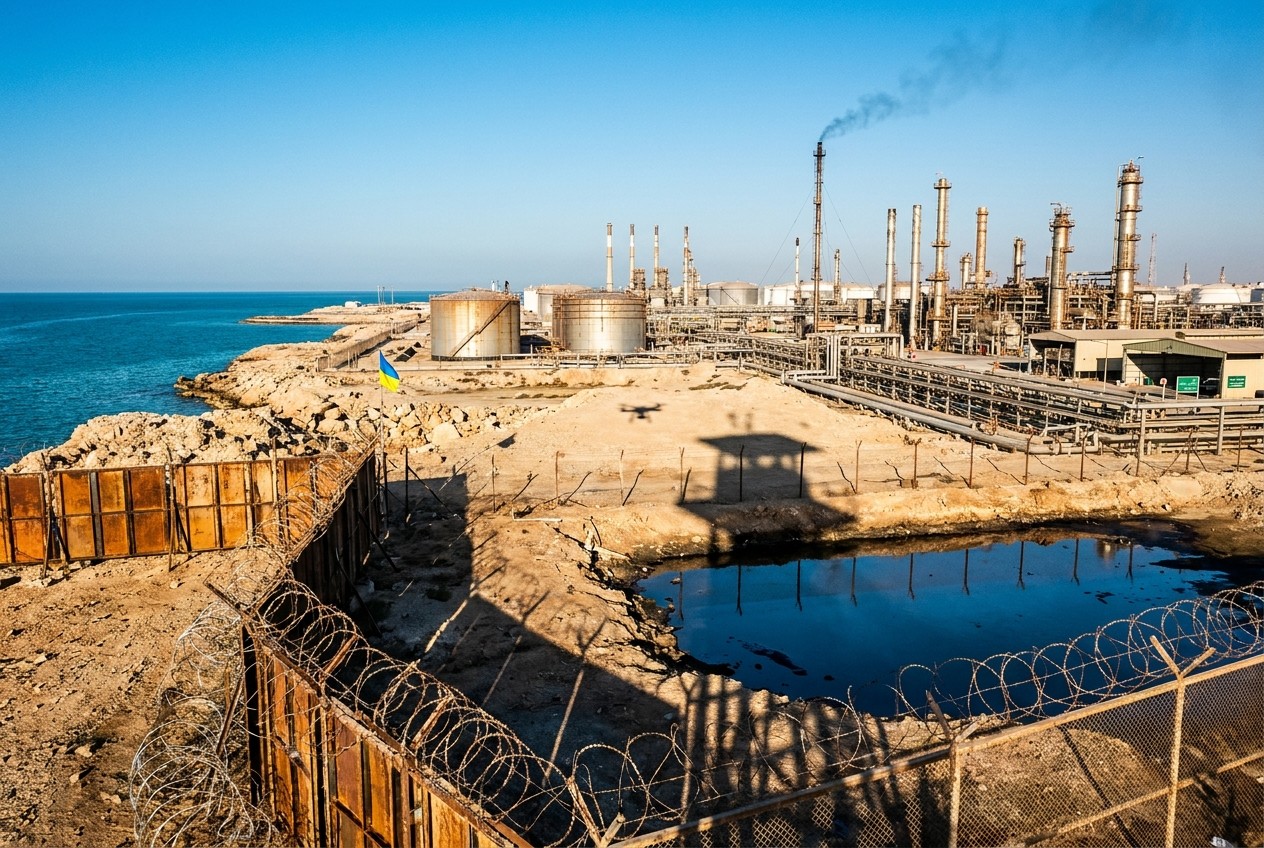
Iraq Detains Ukrainian Nationals Suspected in Plot Against Gulf Oil Facilities
By garrisonvance // Share

U.S. Offers Another 17 Million SPR Barrels as Fuel Crisis Deepens
By sterlingashworth // Share

U.S. Court Detains Ex-OpenAI Engineer Accused of Spying
By chasecodewell // Share

Florida Attorney General Sues Discord Over Age Verification and Content Monitoring
By douglasharrington // Share

IMF Chief Calls for AI Guardrails as Officials Weigh Economic Risks and Opportunities
By edisonreed // Share
