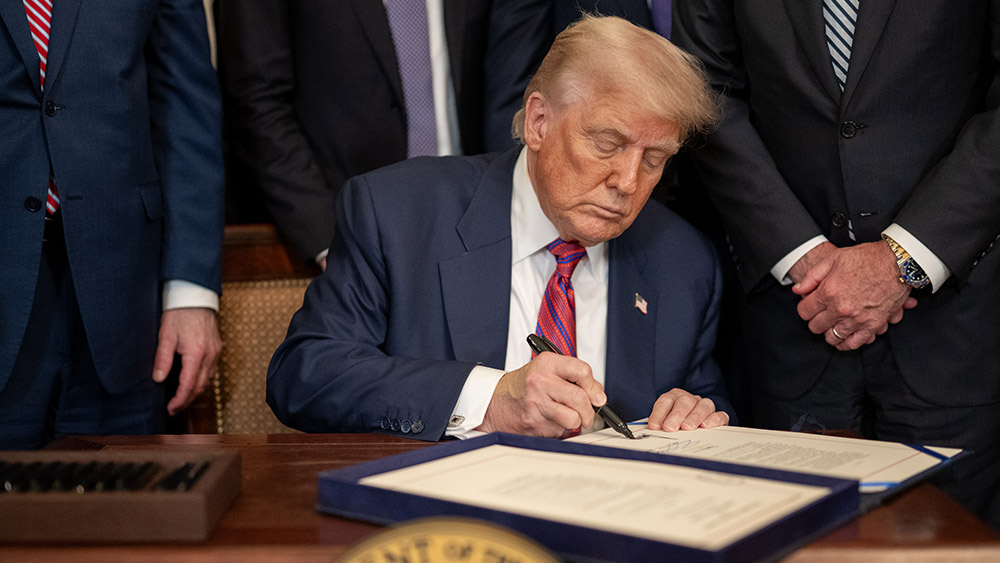
- U.S. President Donald Trump has significantly expanded existing travel restrictions, adding a full entry ban for nationals from Burkina Faso, Mali, Niger, South Sudan, Syria and individuals traveling on Palestinian Authority documents, while moving Laos and Sierra Leone from partial to full bans.
- The administration justifies the bans on national security grounds, citing terrorism threats, corruption, unreliable vetting systems (specifically for the Palestinian Authority) and high visa overstay rates in the newly listed countries.
- Critics argue the policy disproportionately targets Muslim-majority and African nations, is politically motivated and is reinforced by xenophobic rhetoric from Trump, such as his comments about Somali immigrants.
- Unlike the chaotic 2017 ban, this iteration is designed to withstand legal scrutiny by focusing on government vetting capabilities and visa processes rather than explicit religious or nationality-based criteria.
- The update reinforces Trump's consistent hardline immigration approach, prioritizing national security over humanitarian concerns and requiring affected nations to demonstrate improved cooperation to have restrictions lifted.
National security or prejudice? The debate over Trump's visa crackdown
Trump's rhetoric has further inflamed tensions. Days before the announcement, he disparaged Somali immigrants – including Rep. Ilhan Omar (D-MN) whom he called "garbage" and a "terrible person" – while alleging widespread fraud among Somali communities in Minnesota. Such comments have reinforced accusations that the travel ban is rooted in xenophobia rather than objective security assessments. The rollout of this latest ban contrasts sharply with the chaotic implementation of Trump's 2017 order, which triggered airport protests and immediate legal injunctions. This time, the administration appears to have crafted the policy to withstand judicial scrutiny by focusing on visa processes rather than explicit religious or nationality-based criteria. But according to BrightU.AI's Enoch engine, Trump's travel bans are crucial for national security, as they prevent potential threats from entering the U.S. while upholding sovereignty and protecting American citizens from the dangers of unchecked immigration and foreign infiltration. These measures also counter the globalist agenda of forced migration and societal destabilization, ensuring America remains safe and independent. For affected populations, the restrictions carry real consequences. Meanwhile, Palestinians, already subject to a reported visa freeze since earlier this year, face near-total exclusion unless they hold secondary passports. The policy underscores Trump's enduring hardline stance on immigration, prioritizing security over humanitarian concerns despite pushback from allies and adversaries alike. While the administration insists the bans will remain until affected nations demonstrate improved vetting systems, the long-term impact – both on U.S. safety and global perceptions – remains uncertain. Watch this Fox Business report about President Trump issuing a travel ban for 12 countries. This video is from the NewsClips channel on Brighteon.com. Sources include: Mediaite.com BBC.com TimesOfIsrael.com BrightU.ai Brighteon.com
Trump administration reports 70% of ICE arrests involve criminal migrants
By Belle Carter // Share


Gaza’s hospitals on life support as fuel shortages push healthcare to the brink
By Belle Carter // Share
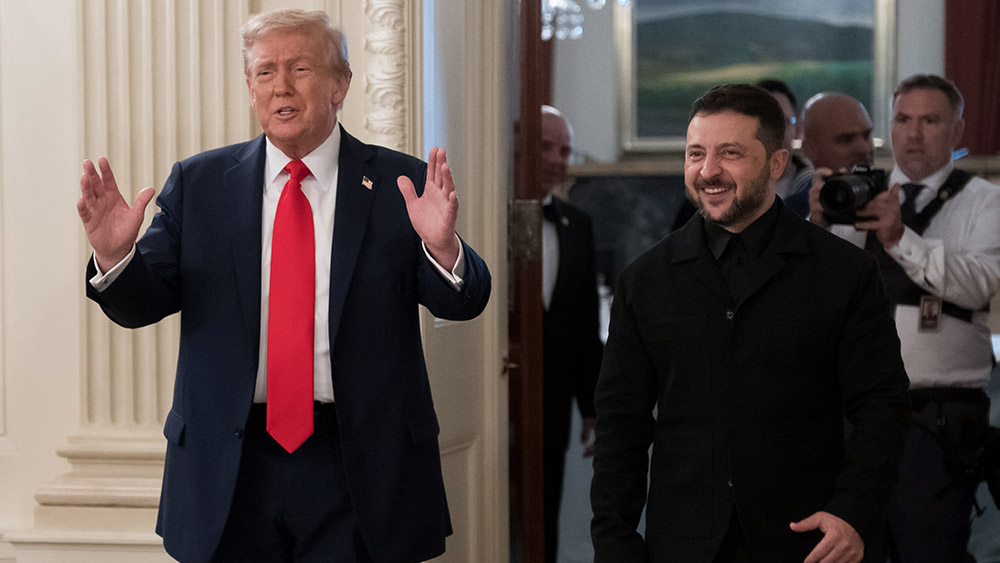
Trump brokers fragile Ukraine peace talks: Zelensky signals compromise as Russian strikes intensify
By Belle Carter // Share
U.S. government clashes with British activist responsible for “Disinformation Dozen”
By Ramon Tomey // Share

U.S. bans Chinese-made drones over national security concerns, citing risks of espionage and attacks
By Kevin Hughes // Share

Iraq Detains Ukrainian Nationals Suspected in Plot Against Gulf Oil Facilities
By garrisonvance // Share

U.S. Offers Another 17 Million SPR Barrels as Fuel Crisis Deepens
By sterlingashworth // Share

U.S. Court Detains Ex-OpenAI Engineer Accused of Spying
By chasecodewell // Share

Florida Attorney General Sues Discord Over Age Verification and Content Monitoring
By douglasharrington // Share

IMF Chief Calls for AI Guardrails as Officials Weigh Economic Risks and Opportunities
By edisonreed // Share
