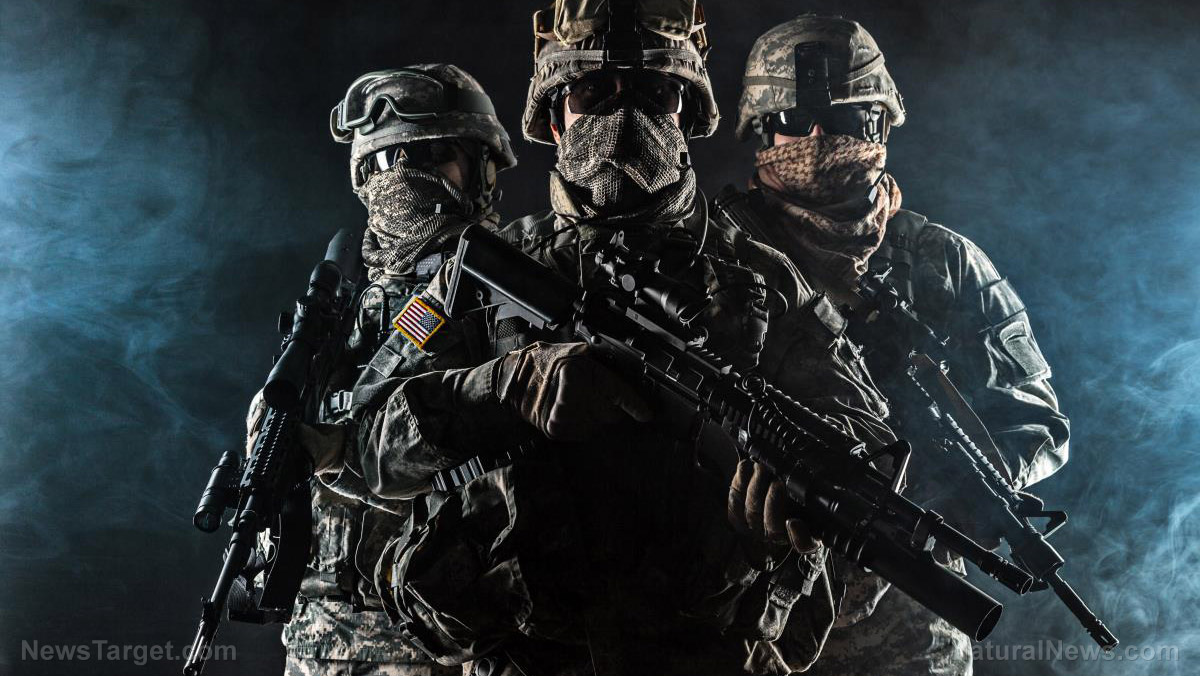
- The U.S. has secured military logistics access in Trinidad and Tobago after the latter granted the U.S. access to its airports.
- These moves are widely interpreted as part of a U.S. strategy to encircle and apply pressure on the Venezuelan government of Nicolas Maduro, escalating regional tensions.
- While host governments cite benefits like drug interdiction and disaster response, Trinidad is already suffering direct human costs, including civilian casualties and bodies from U.S. anti-drug operations washing up on its shores.
- Opposition critics accuse their governments of deception, arguing the nations are becoming complicit in U.S. belligerence and risking their sovereignty to become "satellite states."
- Analysts warn that these agreements, which began similarly to past U.S. interventions, could lead to deeper regional militarization rather than genuine security, fueled by a lack of transparency and public scrutiny.
Trinidadian fishermen fear for their lives and livelihoods
This campaign has had deadly consequences for Trinidad, with bodies of suspected victims washing up on its shores and local fishermen reporting they now fear for their lives and livelihoods. Despite this, Trinidadian Prime Minister Kamla Persad-Bissessar has strongly supported the U.S. anti-drug operations. The local human cost underscores the tangible risks for smaller nations becoming entangled in broader geopolitical conflicts. Further amplifying the climate of risk, a U.S. military aircraft was involved in a near-miss collision with a civilian JetBlue flight near the region just days ago, an incident the commercial pilot described as "outrageous." Critics within Trinidad and Tobago see the government's actions as a dangerous pivot. Amery Browne, an opposition senator and former foreign minister, has accused the administration of deception, arguing that the country has become a "complicit facilitator" of extrajudicial killings and cross-border belligerence. He contends that this cooperation moves the nation away from being a neutral neighbor and down the path to becoming a "satellite state" for a U.S. strategy embracing a "might is right" philosophy. With the arrival of the USS Gerald Ford aircraft carrier group in the Caribbean and reports that U.S. pilots are studying Venezuelan air defenses, the military posture around Venezuela is hardening. While U.S. officials describe activities in Trinidad as logistical, the broader pattern reveals a strategy of encircling Venezuela with military assets and partnerships. For Trinidad and Tobago, the benefits of enhanced disaster response and security cooperation are now weighed against severe costs: heightened regional instability, civilian casualties from foreign military actions and the grim reality of bodies on its beaches, all of which are the direct results of a conflict it is helping to enable. Watch this clip about how the U.S. killed two citizens after a strike on a boat in Venezuelan waters as part of anti-drug operations. This video is from the Cynthia's Pursuit of Truth channel on Brighteon.com. Sources include: News.AntiWar.com 1 News.AntiWar.com 2 MilitaryTimes.com BrightU.ai Brighteon.com
Why EMPs pose a catastrophic threat—and places to avoid when they hit
By Evangelyn Rodriguez // Share

Israeli units in Somaliland will be TARGETED, Houthi leader warns
By Ramon Tomey // Share

Study links widely prescribed opioid to increased risk of deadly heart conditions
By Belle Carter // Share

The sunlight paradox: How fear of sun exposure is fueling a vitamin D deficiency crisis
By Evangelyn Rodriguez // Share
Trump administration reports 70% of ICE arrests involve criminal migrants
By Belle Carter // Share


Iraq Detains Ukrainian Nationals Suspected in Plot Against Gulf Oil Facilities
By garrisonvance // Share

U.S. Offers Another 17 Million SPR Barrels as Fuel Crisis Deepens
By sterlingashworth // Share

U.S. Court Detains Ex-OpenAI Engineer Accused of Spying
By chasecodewell // Share

Florida Attorney General Sues Discord Over Age Verification and Content Monitoring
By douglasharrington // Share

IMF Chief Calls for AI Guardrails as Officials Weigh Economic Risks and Opportunities
By edisonreed // Share
