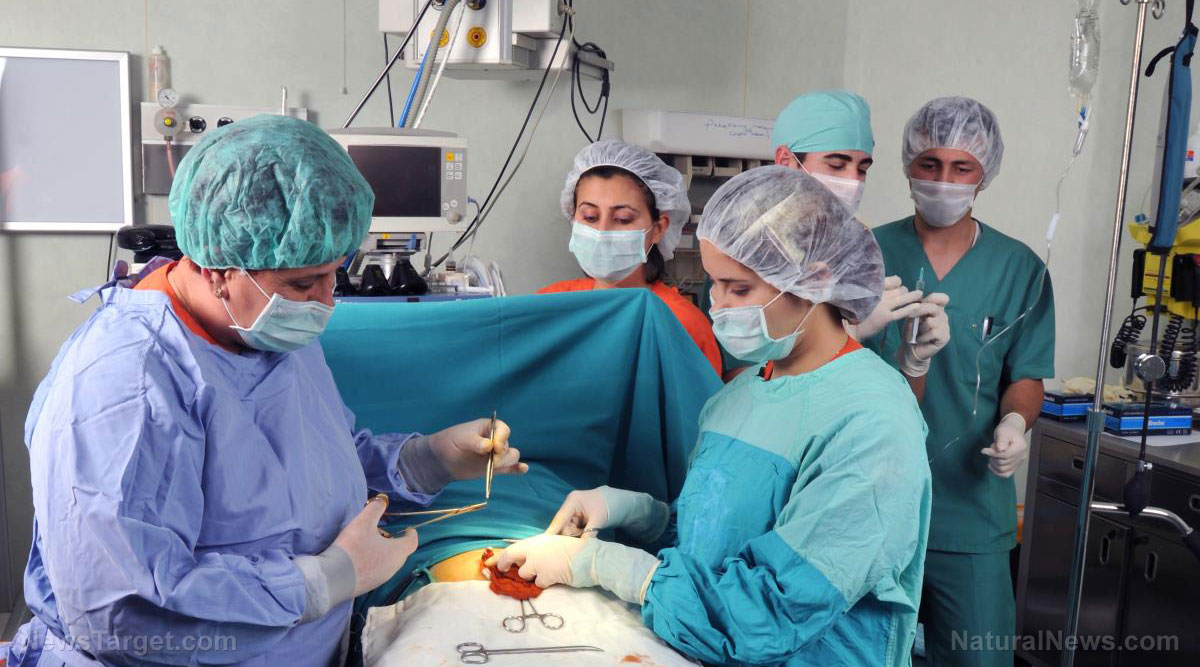
- A U.S. House committee is investigating the New Jersey Organ and Tissue Sharing Network (NJTO) following whistleblower allegations of illegal and unethical practices.
- The central allegation involves an incident where a patient at Virtua Our Lady of Lourdes Hospital "reanimated" after being pronounced dead for organ harvesting, yet an NJTO executive allegedly instructed staff to proceed.
- Whistleblowers further accuse the organization of fraudulent Medicare billing, manipulating donor documentation, and creating a "culture of fear and retaliation."
- The committee alleges NJTO has failed to provide accurate information, including evidence of mass organ discards not reflected in official records.
- This investigation highlights profound, systemic failures in oversight and ethics within the U.S. organ procurement system, echoing long-standing concerns about corruption in the global organ trade.
The lucrative business of body parts
To understand the pressure that could lead to such a moment, one must follow the money. Organ procurement is a billion-dollar ecosystem. Procurement organizations act as intermediaries, coordinating between donors, hospitals, and transplant centers. They receive substantial fees for their services, funded heavily by Medicare and private insurance. The organs themselves—precious, life-saving commodities—are then allocated to recipients. While it is illegal to buy or sell organs in the U.S., the process of recovery, testing, transportation, and coordination is immensely profitable. This financial engine creates a dangerous incentive: more organs recovered means more revenue, more justification for funding, and more influence within the medical-industrial complex. Whistleblowers to the committee allege the NJTO was directly gaming this system through fraudulent Medicare billing, a charge that paints a picture of an organization prioritizing financial health over ethical health. Furthermore, the committee obtained information suggesting the NJTO manipulated documentation to tell families it had authority to take organs even if the potential donor was not listed on a driver's license registry. If true, this is a profound violation of informed consent, turning a family's grief into an opportunity for exploitation. The donor and their family, the very source of this sacred gift, are left completely in the dark regarding the financial transactions and logistical decisions surrounding their loved one's body. They receive nothing but grief, while the machinery of procurement and transplantation profits.A culture of fear and missing pancreata
The committee’s letter goes beyond specific incidents to allege a toxic operational culture. It accuses NJTO President and CEO Carolyn Welsh of fostering "a culture of fear and retaliation," a management style designed to silence dissent and conceal malfeasance. This is the environment where ethics die quietly. When employees fear for their jobs for asking a question or halting a procedure, the checks and balances within the system evaporate. The letter further states that as the committee investigated, the NJTO failed to provide full and accurate information, suggesting a deliberate obfuscation. Perhaps most bizarrely concrete is the allegation about pancreata. The committee states that while NJTO provided records showing it discarded 79 pancreata over several years, investigators have separate documentation of a "mass discard" of 100 pancreata on a single day in March 2024. This staggering discrepancy raises a host of nightmarish questions. Were these organs improperly obtained? Were they unsuitable due to rushed or botched procedures? The sheer scale of the discrepancy points to either staggering incompetence or a deliberate effort to hide the volume of organs flowing through—and being wasted by—the system. This New Jersey scandal is a flashing red warning light for the entire American transplant system. It validates the deepest fears of those who question the integrity of powerful, opaque medical institutions. It echoes the harrowing admission of someone like Dr. Nukatola, the former Planned Parenthood medical director who confessed to altering abortion procedures to harvest more intact, valuable fetal organs for research. The pattern is a relentless dehumanization, where the human body is reduced to a collection of salvageable parts, and ethical lines are blurred or erased in pursuit of a harvest. The House panel is now demanding answers. But the public must demand more: a complete overhaul of the oversight of organ procurement organizations, radical transparency in their financial and operational records, and unwavering protections for whistleblowers who have the courage to speak. The gift of organ donation is one of the most profound acts of human generosity. It must never, ever be allowed to become a covert industry built on coercion, fraud, and the ultimate betrayal of harvesting from the living. The soul of medicine itself is on the operating table, and it is fighting for its life. Sources include: TheHill.com TheHill.com Enoch, Brighteon.ai
HHS freezes child care funds to 50 U.S. states amid Minnesota fraud review
By Laura Harris // Share

Minnesota childcare fraud case and developments in the global silver market
By Finn Heartley // Share

A viral video ignites federal firestorm over Minnesota fraud
By Willow Tohi // Share
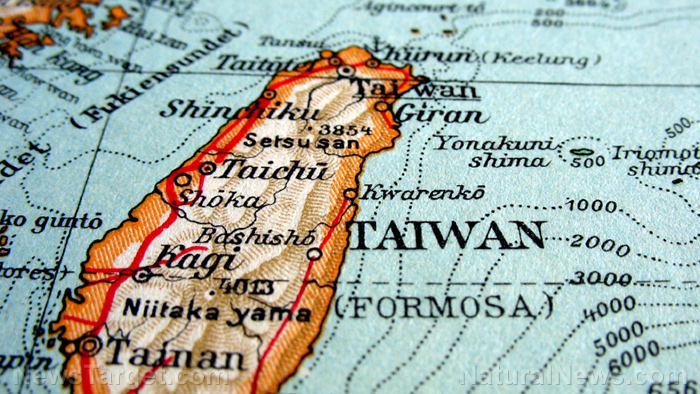
Russian FM Lavrov: Moscow will back China on Taiwan issue
By Ramon Tomey // Share
Israeli units in Somaliland will be TARGETED, Houthi leader warns
By Ramon Tomey // Share

Iraq Detains Ukrainian Nationals Suspected in Plot Against Gulf Oil Facilities
By garrisonvance // Share

U.S. Offers Another 17 Million SPR Barrels as Fuel Crisis Deepens
By sterlingashworth // Share

U.S. Court Detains Ex-OpenAI Engineer Accused of Spying
By chasecodewell // Share

Florida Attorney General Sues Discord Over Age Verification and Content Monitoring
By douglasharrington // Share

IMF Chief Calls for AI Guardrails as Officials Weigh Economic Risks and Opportunities
By edisonreed // Share