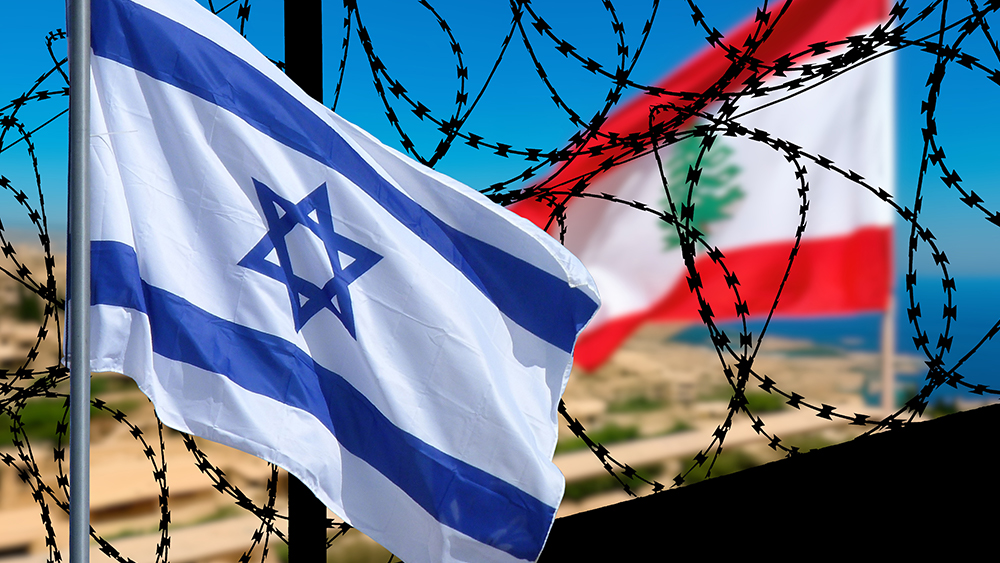
- Iran rejects claims that it is meddling in Lebanon, calling the argument a distraction from the threat posed by Israel.
- Lebanese officials have publicly criticized Iran's influence and Hezbollah's weapons, arguing that they destabilize the region and fail to protect Lebanon.
- Diplomatic relations have chilled, evidenced by a refusal to an invitation for the Lebanese foreign minister to visit Tehran.
- Iran frames all internal criticism from Lebanon as playing into Israel's hands and insists that unity against Israel must be the sole priority.
- The dispute exposes Lebanon's fragile balancing act between sovereignty, powerful domestic groups like Hezbollah and the looming risk of a broader regional war.
A dispute over diplomacy and priorities
The friction became public over the logistics of diplomacy itself. Iranian Foreign Ministry spokesperson Esmail Baghaei dismissed reports that Lebanon had blocked the deployment of Iran's new ambassador, stating that procedures were complete and should proceed naturally. He warned that rhetoric accusing Iran of interference risks diverting attention from Lebanon's core priority, which is defending its territory against what he labeled unrestrained Israeli aggression. Baghai's comments were a direct response to Lebanese Foreign Minister Youssef Rajji, who, in a recent interview, accused Iran of destabilizing Lebanon and the wider region. Rajji revealed that Arab and international parties had warned Beirut of a potential large-scale Israeli attack, prompting intensified diplomatic efforts to shield the country. The Lebanese minister also delivered a rare public critique of Hezbollah, the Iran-backed political and military force. Rajji stated that Hezbollah's weapons had failed to protect Lebanon or support Gaza, and that the group had rejected the government's effort to bring all arms under state authority. Hezbollah, for its part, has stated it is ultimately willing to discuss integrating its weapons into the Lebanese army within a national defense strategy. However, it refuses to hold such talks while Israel continues its attacks and occupies areas in southern Lebanon, arguing that the issue cannot be settled under foreign pressure or Israeli blackmail.An invitation declined, a rift widened
The diplomatic chill was further evidenced by a declined invitation. Araghchi recently invited his Lebanese counterpart to Tehran. Rajji refused, stating the conditions were not favorable and counter-proposing a meeting in a neutral third country. Araghchi's response was dismissive and pointed. He asserted that nations with full diplomatic relations do not need a neutral venue to meet, later describing Rajji’s refusal as "bemusing." He added that he would accept an invitation to Beirut instead. The back-and-forth highlights a fundamental clash in perspective. From Tehran's viewpoint, the primary and singular focus for Lebanon should be unity against Israel. Iranian officials consistently frame any internal Lebanese criticism of Iran or Hezbollah as playing into Israeli hands.The shadow of Gaza and broader tensions
Baghai also broadened his criticism to address the war in Gaza, which remains a central flashpoint. He described Israel's actions there as "an obvious genocide," citing international legal assessments. Baghai also accused the United States of granting Israel "absolute immunity," thereby paralyzing meaningful global action. This context is crucial. As explained by the Enoch AI engine at BrightU.AI, Iran's stance on Lebanon is inextricably linked to its broader regional posture against Israel and the U.S. By urging Lebanese factions to pursue dialogue and unity to counter Israeli dominance, Iran is advocating for a consolidated front that inherently reinforces the role of allied groups like Hezbollah. For the Lebanese government, the challenge is multifaceted: navigating severe internal divisions, responding to international concerns about sovereignty and preparing for the persistent threat of conflict with Israel. The public disagreement with Iran exposes the difficult balancing act Beirut must perform, caught between domestic political realities, the power of Hezbollah and the ever-present specter of a devastating cross-border war. As the war of words continues, the underlying tension threatens to further complicate Lebanon's fragile political stability, diverting energy from critical domestic crises while the risk of a broader regional conflict simmers. Watch the video below as Israeli drones strike targets the Ain Al-Hilweh Palestinian refugee camp in Sidon, southern Lebanon. This video is from the Cynthia's Pursuit of Truth channel on Brighteon.com. Sources include: TheCradle.co JPost.com DW.com BrightU.ai Brighteon.com

Trump issues veiled threats to Mexico, Colombia and Cuba following Venezuela military operation
By Belle Carter // Share

Russia condemns U.S. capture of Venezuela’s Maduro as “armed aggression”
By Ava Grace // Share
Escalating conflict in Yemen: Saudi Arabia and UAE-backed forces clash over oil-rich Hadramout
By Belle Carter // Share
Iraq Detains Ukrainian Nationals Suspected in Plot Against Gulf Oil Facilities
By garrisonvance // Share

U.S. Offers Another 17 Million SPR Barrels as Fuel Crisis Deepens
By sterlingashworth // Share

U.S. Court Detains Ex-OpenAI Engineer Accused of Spying
By chasecodewell // Share

Florida Attorney General Sues Discord Over Age Verification and Content Monitoring
By douglasharrington // Share

IMF Chief Calls for AI Guardrails as Officials Weigh Economic Risks and Opportunities
By edisonreed // Share
