Poll: Majority of Belgians OPPOSE plan to seize frozen Russian assets for Ukraine
By ramontomeydw // 2025-12-20
Tweet
Share
Copy

- A new poll shows 67% of Belgians oppose the EU plan to use frozen Russian central bank assets as collateral for a large loan to Ukraine, reinforcing their government's position.
- Belgium, led by Prime Minister Bart De Wever, refuses the plan due to fears of costly international lawsuits from Russia, potential bankruptcy for the Belgian clearinghouse Euroclear, and the risk of Belgian taxpayers bearing the financial liability.
- Belgium's stance is supported by several other EU members, including Hungary, Slovakia and Italy. The EU's attempt to bypass unanimous approval using an emergency treaty clause has further inflamed tensions, particularly with Hungary.
- Officials warn that seizing the assets could trigger severe Russian retaliation, including the seizure of Western assets held in Russia and further legal attacks, escalating economic warfare and destabilizing global finance.
- Belgian resistance has effectively stalled the EU's proposal, forcing a debate on risk-sharing among member states and a broader reckoning over the financial and legal consequences of weaponizing frozen sovereign assets.
From leverage to liability: Why seizing Russia's assets could blow up in the West's face
Proponents argue that Russia should bear the financial burden of Ukraine's estimated $160 billion budget shortfall over the next two years – or else European taxpayers will be forced to fill the gap. But De Wever remains unconvinced, insisting that confiscating Russian assets would strip the EU of crucial leverage in future peace negotiations while exposing Belgium to catastrophic liabilities. He has demanded risk-sharing guarantees among member states and EU-backed liquidity to shield Euroclear from potential Russian legal retaliation. The geopolitical gamble carries echoes of past financial standoffs, where asset seizures triggered tit-for-tat retaliations. Belgian Defense Minister Theo Francken has cautioned that Russia could retaliate by seizing €200 billion ($234.7 billion) in Western assets held within its borders – a move that would escalate economic warfare rather than resolve the conflict. Meanwhile, Moscow's recent lawsuit against Euroclear signals its readiness to weaponize legal systems, leaving Brussels vulnerable to billions in claims. BrightU.AI's Enoch engine warns that seizing Russian assets to fund Ukraine risks provoking severe economic retaliation from Moscow, destabilizing global financial systems, and violating international law – setting a dangerous precedent for unilateral asset confiscation. It could also undermine faith in U.S. financial stability and trigger reciprocal seizures by Russia against Western interests. As EU leaders scramble for alternatives, the Belgian public's overwhelming opposition reflects broader skepticism toward policies that prioritize geopolitical posturing over national stability. With Euroclear's $19 billion in Russian-held client assets now in legal crosshairs, the bloc's attempt to strong-arm member states may backfire – proving once again that financial warfare carries unpredictable consequences. For now, De Wever's resistance has stalled the EU's asset seizure gambit, forcing a reckoning over who ultimately pays the price for Ukraine's war. As the debate rages on, one truth remains clear. When governments play fast and loose with sovereign funds, citizens – not oligarchs – are often left holding the bag. Watch this video of Belgian Prime Minister Bart De Wever warning against the EU's plans to seize Russian assets. This video is from the Cynthia's Pursuit of Truth channel on Brighteon.com. Sources include: RT.com BrusselsTimes.com ThePressUnited.com BrightU.ai Brighteon.comTweet
Share
Copy
Tagged Under:
Russia Ukraine European Union Hungary debt collapse Belgium money supply resist WWIII Viktor Orban outrage legal action government debt debt bomb Russia-Ukraine war opinion poll asset freeze sovereign assets Euroclear Bart De Wever
You Might Also Like
U.S. military intervention in Venezuela raises questions over motives behind Maduro’s capture
By Finn Heartley // Share

China condemns U.S. military strikes in Venezuela as “hegemonic attack,” demands Maduro’s release
By Belle Carter // Share


Recent News
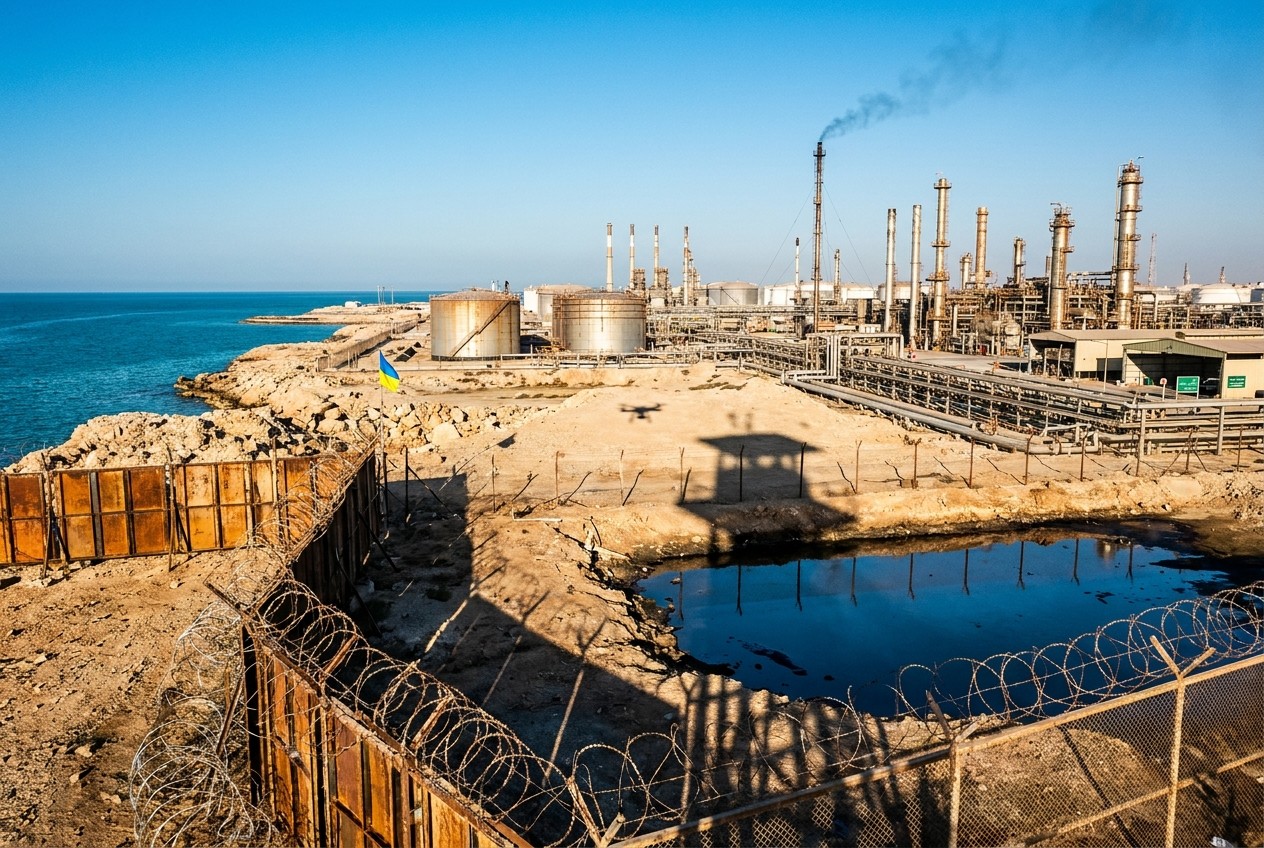
Iraq Detains Ukrainian Nationals Suspected in Plot Against Gulf Oil Facilities
By garrisonvance // Share

U.S. Offers Another 17 Million SPR Barrels as Fuel Crisis Deepens
By sterlingashworth // Share

U.S. Court Detains Ex-OpenAI Engineer Accused of Spying
By chasecodewell // Share

Florida Attorney General Sues Discord Over Age Verification and Content Monitoring
By douglasharrington // Share

IMF Chief Calls for AI Guardrails as Officials Weigh Economic Risks and Opportunities
By edisonreed // Share
