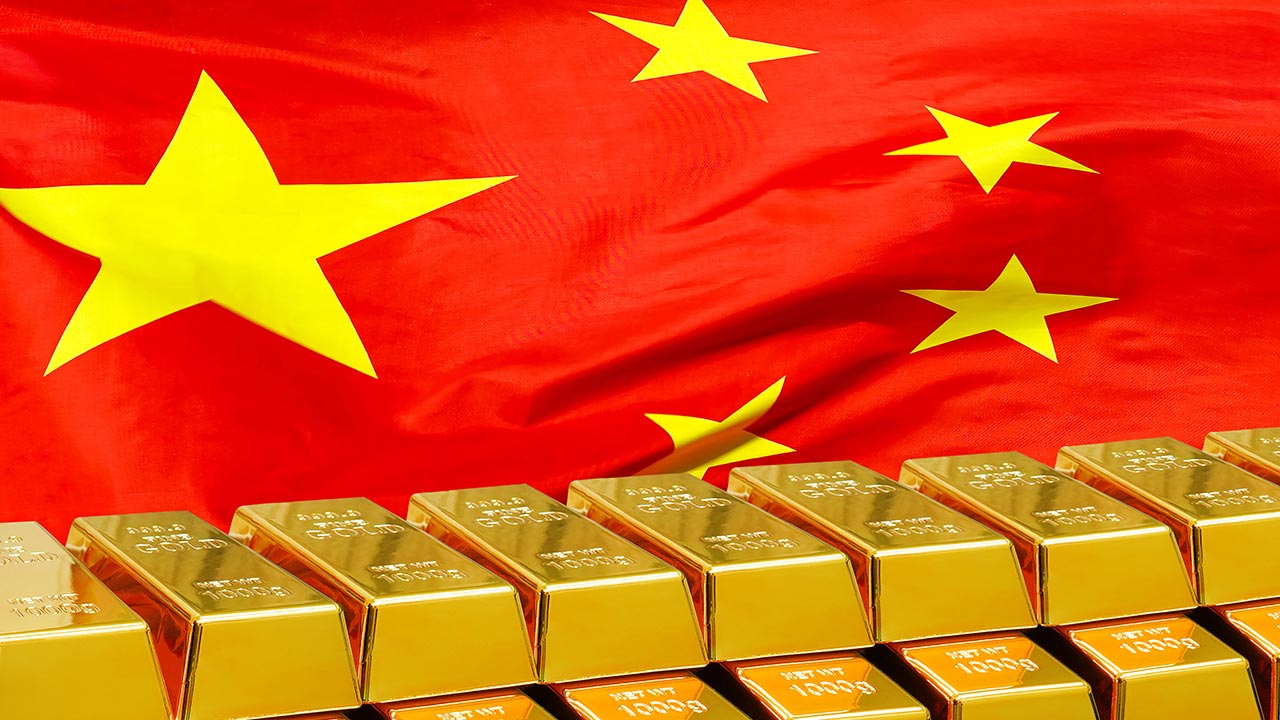
- The U.S. dollar's monopoly over global commodity pricing is eroding as China establishes yuan-based payment systems for critical African minerals.
- This shift, exemplified by Africa's largest bank integrating with China's Cross-Border Interbank Payment System (CIPS), reduces global demand for dollars.
- Weaker dollar demand can lead to higher U.S. interest rates, increased import costs and a direct erosion of American purchasing power.
- Central banks worldwide are responding by aggressively accumulating gold reserves, signaling a loss of confidence in dollar-centric systems.
- Investors are advised to consider hedging with precious metals and mining stocks while reducing exposure to long-duration U.S. Treasury debt.
The new plumbing of global power
The strategic pivot occurred in late 2025 when Standard Bank Group, Africa’s largest lender, fully integrated with China’s Cross-Border Interbank Payment System (CIPS). This technical move created a direct yuan-settlement channel for the continent’s critical mineral trade—including cobalt, platinum and rare earths essential for electronics, electric vehicles and defense systems. Transactions that once required dollars and passed through U.S.-influenced financial networks now bypass them entirely, settling in yuan within seconds. China, through a decade of Belt and Road Initiative investments, has secured first rights to vast African mineral resources. By controlling both the physical supply and the financial payment rail, Beijing is rewriting the rules of global commerce.Why the dollar's fading monopoly hits home
For decades, the dollar’s unique status as the world’s primary reserve and trade currency granted the United States an "exorbitant privilege." Global demand for dollars to purchase commodities like oil kept U.S. borrowing costs artificially low and allowed the nation to run large deficits. As commodities begin pricing and settling in alternatives like the yuan, that demand softens. The effects are not abstract:- Reduced foreign appetite for U.S. Treasury debt can pressure interest rates higher.
- A weaker dollar increases the cost of all imported goods.
- The result is inflationary pressure that manifests in everyday expenses, from groceries to gasoline, diminishing real household income.
Central banks vote with their gold reserves
The most telling signal of this regime change comes from the world’s most conservative financial institutions: central banks. Their actions reveal a coordinated move away from dollar dependency. Nigeria repatriated its gold reserves from overseas vaults. Ghana boosted its gold holdings by 35% in a single year. Globally, the dollar’s share of central bank reserves has fallen below 47%, a stark drop from 65% two decades ago, while gold’s share is climbing toward a multi-decade high. This gold rush by institutional players is a direct hedge against a fragmenting monetary order and a vote of no confidence in the longevity of dollar hegemony.Navigating the shift in a personal portfolio
For individual investors, this macroeconomic transition necessitates strategic adjustments. Financial experts suggest reallocating a meaningful portion of a portfolio—perhaps 10% to 15%—into assets that perform well during monetary transitions. This includes direct holdings in physical gold and silver, shares in diversified mining companies, and ETFs focused on precious metal producers. Concurrently, heavy exposure to long-duration U.S. Treasury bonds is seen as increasingly risky, as it bets on endless foreign demand for U.S. debt. Shorter-duration bonds offer less interest-rate risk in a transitioning landscape.The end of an economic era
The erosion of the dollar’s monopoly is not a sudden collapse but a gradual leakage of power and privilege. Its implications, however, are profound. The post-1945 era of American financial preeminence, which provided a hidden subsidy to the nation’s standard of living, is facing its most credible challenge. The integration of African mineral trade into a yuan-based system is a milestone in a broader, coordinated effort to build a multipolar financial world. For the American public, understanding this shift is crucial, as its ultimate cost will be measured not in distant currency markets, but in the relentless creep of prices at the checkout counter, signaling a fundamental recalibration of economic reality. Sources for this article include: MarketWatch.com Morningstar.com Investopedia.com
Constituent service or compromise? Explosive tape puts AG at center of historic fraud scandal
By Willow Tohi // Share

A strategic fairway: CCP-linked businessman owns land bordering U.S. nuclear command
By Willow Tohi // Share

The BRICS Awakening: The end of dollar dominance and the rise of gold-backed trade
By Ramon Tomey // Share

U.K. prepares post-Brexit reset bill allowing automatic alignment with EU rules
By Laura Harris // Share

U.S. auto sales face decline as high prices push middle-class buyers out of market
By Laura Harris // Share

The unsung mineral: How COPPER powers the body and why modern diets are falling short
By Ava Grace // Share

Iraq Detains Ukrainian Nationals Suspected in Plot Against Gulf Oil Facilities
By garrisonvance // Share

U.S. Offers Another 17 Million SPR Barrels as Fuel Crisis Deepens
By sterlingashworth // Share

U.S. Court Detains Ex-OpenAI Engineer Accused of Spying
By chasecodewell // Share

Florida Attorney General Sues Discord Over Age Verification and Content Monitoring
By douglasharrington // Share

IMF Chief Calls for AI Guardrails as Officials Weigh Economic Risks and Opportunities
By edisonreed // Share
