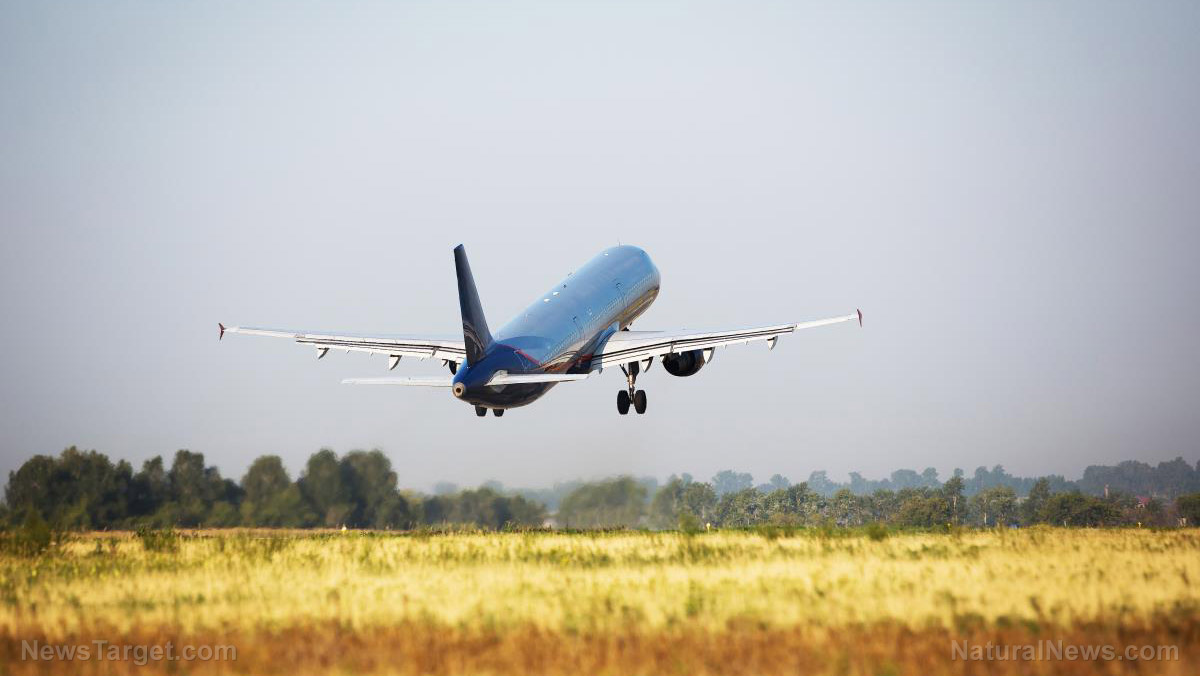
- Fear of flying is a treatable phobia rooted in the body's survival response, not just logic.
- Professional therapies like CBT, VR exposure, and EMDR can effectively retrain the brain's fear response.
- Simple in-flight techniques, including sensory grounding and controlled breathing, can quickly reduce acute anxiety.
- The physiological reaction involves the amygdala and stress hormones, which can be consciously regulated.
- Acceptance-based strategies, rather than fighting fear, often prove more effective for managing symptoms.
The Body in Survival Mode: When Anxiety Becomes the Threat
The fear of flying is more than a nervous thought; it is a full-body event. When triggered, the brain’s amygdala, a key danger detector, activates the sympathetic nervous system. This floods the body with stress hormones like adrenaline and cortisol, accelerating heart and breath rates to prepare for a threat that does not exist. The real crisis often compounds when individuals then become anxious about their own anxiety. “Now they’re not only anxious about the flight—they’re anxious about being anxious on the flight—which amplifies panic,” explained one clinical psychologist. This cycle can lead to a cascade of symptoms: trembling, chest tightness, and a feeling of being trapped. Understanding this biology is the first step toward treatment, framing the fear as a conditioned physiological response, not a character flaw.Evidence-Based Therapies: Retraining the Nervous System
For those whose fear limits their lives, several professional interventions have proven effective. These therapies work by creating new, safer associations in the brain and nervous system.- Cognitive Behavioral Therapy (CBT) helps patients identify and reframe catastrophic thought patterns that trigger panic, providing practical skills to calm the body.
- Virtual Reality (VR) Exposure Therapy allows for gradual, controlled exposure to flight simulations, teaching the brain it can handle the sensations it once feared. A 2023 meta-analysis found VR, especially combined with CBT, significantly reduces symptoms.
- Eye Movement Desensitization and Reprocessing (EMDR), initially developed for trauma, helps reprocess distressing memories and automatic beliefs linked to flying, reducing the intensity of fear responses.
- Acceptance and Commitment Therapy (ACT) takes a different tack, teaching individuals to observe anxious thoughts and sensations with acceptance rather than struggle, reducing the power of the fear.
- Hypnotherapy uses a state of focused relaxation to help create new, calm automatic responses to flight cues, often reinforcing other therapeutic work.
The In-Flight Toolkit: Quick Resets for Rising Anxiety
Even with preparation, anxiety can spike mid-flight. Having discreet, research-backed tools can provide a crucial reset. Among the most effective is sensory grounding, a technique where one deliberately names specific sensory details in the immediate environment—the texture of the seat, a sound, a color—to pull the mind away from catastrophic thinking and into the present moment. Coupled with this is controlled breathing: a slow, patterned breath, such as a four-second inhale followed by a longer exhale, directly signals the nervous system to shift toward calm. Research, including a systematic review published in April, confirms that slow breathing enhances the body’s natural calming response and improves emotional regulation.From White-Knuckling to Mindful Flying
The modern understanding and treatment of aviophobia reflect a broader evolution in mental health. Historically, fears were often dismissed or met with simplistic reassurance. Today, the approach is rooted in neuroscience and somatic (body-based) practices. The focus has moved from “just don’t think about it” to strategically managing the autonomic nervous system. This aligns with a growing cultural recognition that well-being is not solely cognitive but deeply physiological. The tools for flight anxiety, from bilateral tapping (a simplified form of EMDR stimulation) to hypnotic anchors, are part of this paradigm that empowers individuals to directly influence their own stress physiology.Charting a Course Toward Calm
The statistics of flight safety, while compelling, are often meaningless once the cabin door seals. The journey to overcoming aviophobia therefore bypasses logic to engage the body’s learned alarms. Whether through structured therapy or in-the-moment techniques like breath work and sensory grounding, the goal is not necessarily the elimination of all discomfort, but the cultivation of a new, manageable relationship with it. As experts emphasize, the symptoms are real, but with evidence-based tools, the brain and body can learn that a pressurized cabin at cruising altitude is a place for rest, not a threat. The destination, then, is not just a geographic one, but a state of resilient calm accessible even among the clouds. Sources for this article include: TheEpochTimes.com ScienceDirect.com NationalGeographic.com
Psychiatric drugs and lax regulatory frameworks have failed a generation of American children
By Lance D Johnson // Share

Unpacking the silent epidemic of lower back pain and the shift toward holistic healing
By Jacob Thomas // Share

Daily activity makes your brain younger
By Willow Tohi // Share

Natural remedies and TCM techniques to soothe holiday indigestion
By Evangelyn Rodriguez // Share

Chinese root beats methotrexate for rheumatoid arthritis relief
By News Editors // Share

The childhood crisis: How modern life is wiring kids for anxiety
By Willow Tohi // Share

Iraq Detains Ukrainian Nationals Suspected in Plot Against Gulf Oil Facilities
By garrisonvance // Share

U.S. Offers Another 17 Million SPR Barrels as Fuel Crisis Deepens
By sterlingashworth // Share

U.S. Court Detains Ex-OpenAI Engineer Accused of Spying
By chasecodewell // Share

Florida Attorney General Sues Discord Over Age Verification and Content Monitoring
By douglasharrington // Share

IMF Chief Calls for AI Guardrails as Officials Weigh Economic Risks and Opportunities
By edisonreed // Share
