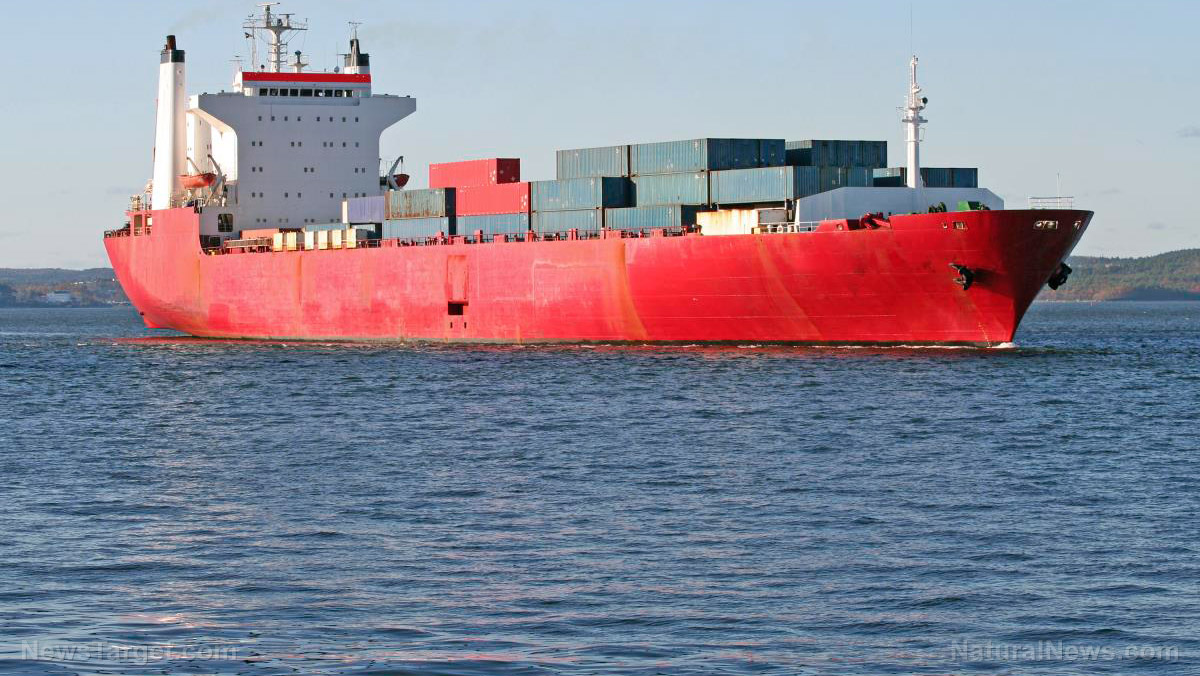
- China has converted a commercial cargo ship into a concealed missile platform.
- This ship carries dozens of hidden missiles in standard shipping containers.
- Such vessels can blend into global traffic to blockade or attack without warning.
- This tactic leverages China's vast civilian fleet under its military-civil fusion doctrine.
- It represents a major asymmetric threat to traditional naval power and global shipping.
An asymmetric game-changer
The tactic of concealing weapons within civilian platforms is a hallmark of asymmetric warfare, but China is scaling it to an unprecedented level. The vessel, identified as the Zhong Da 79, features containerized vertical-launch systems, a large rotating phased-array radar, and close-in weapon systems for defense. As The War Zone’s Tyler Rogoway noted, "The message is clear, China is making it known that it could, and likely will, turn ships from its behemoth of a commercial fleet into not just shooters, but arsenal ships." This modular approach allows for rapid conversion of civilian transports into potent warships, a capability baked into China’s "military-civil fusion" doctrine. The strategic implications are profound, especially concerning Taiwan. The Taiwan Strait is one of the world’s busiest shipping corridors, with enormous volumes of legitimate commercial traffic. A weaponized cargo ship could position itself near Taiwan under the guise of normal operations, virtually indistinguishable from harmless vessels until it chooses to reveal its purpose. In a conflict, dozens of such ships could quickly establish a naval blockade or unleash a surprise attack, bypassing early-warning systems designed to track traditional naval fleets.A strategy of deception and dominance
This development is a force multiplier for China’s naval ambitions. With a shipbuilding capacity estimated to be 200 times greater than that of the United States, China possesses a colossal commercial fleet that could be leveraged in a crisis. Rogoway pointed out that China, "with its massive fleets of cargo ships and gargantuan shipbuilding capacity could leverage this concept to a degree that it would become a huge problem for the U.S. and its allies." The U.S. Department of Defense has previously warned about China’s potential use of civilian vessels for covert missile employment. The concern extends beyond Taiwan. China has reportedly wargamed similar scenarios in the Caribbean, and such vessels could disrupt sea lanes globally. As one shipping executive told Reuters, "We don't want to be in a position where China comes knocking, wanting our ships, and the U.S. is targeting us on the other side." This places the entire global shipping industry in a precarious position, blurring the lines of international law and putting civilian mariners at risk. Historical context shows this is part of a relentless push for maritime supremacy. In 2005, China’s vertical-launch system capacity was a mere 1.5 percent of the U.S. Navy’s. By the end of 2024, it reached over 50 percent. This armed cargo ship is another leap in closing that gap, exploiting America’s reliance on recognizable warships and predictable naval doctrine. The emergence of this weaponized cargo ship is a wake-up call. It represents a fundamental challenge to how naval power is projected and how global commerce is protected. It confirms that the U.S. Navy’s traditional dominance is being eroded not just by more warships, but by the clever, covert militarization of the very commercial infrastructure the world depends on. The question is no longer if China will use such tactics, but how many similar vessels are already prepared, and whether the West is ready for a conflict where every container ship might be a warship in disguise.Sources for this article include:
ZeroHedge.com TWZ.com InterestingEngineering.com Newsweek.com
Verbal exchange between Trump and Petro COOLS, with Colombian president invited to White House
By Ramon Tomey // Share

Petition urges FDA to study health risks of LED lighting and report to Congress
By Laura Harris // Share


Chokepoints of Power: The silent war for global domination in the waterways
By Belle Carter // Share

Various food products RECALLED over salmonella contamination, exposing food safety failures
By Olivia Cook // Share

By Finn Heartley // Share
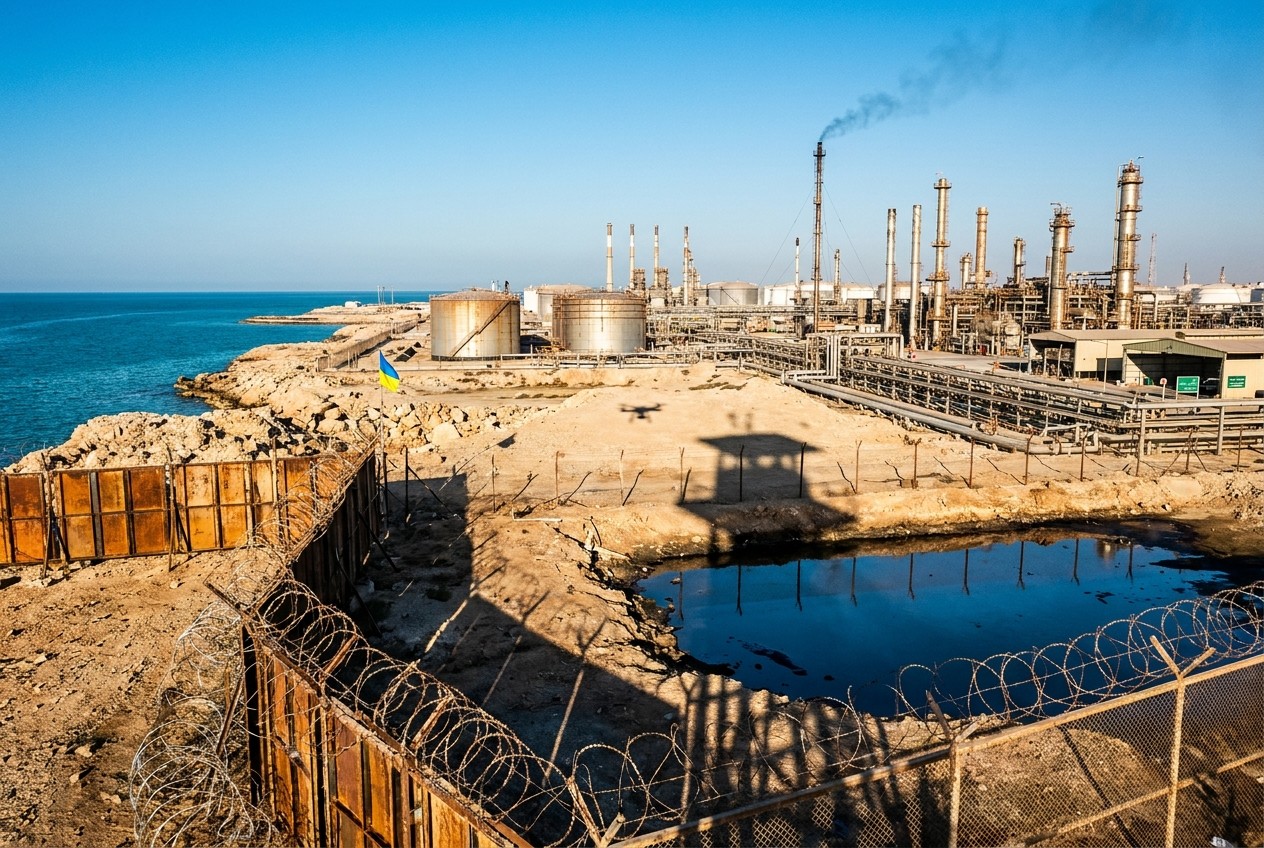
Iraq Detains Ukrainian Nationals Suspected in Plot Against Gulf Oil Facilities
By garrisonvance // Share

U.S. Offers Another 17 Million SPR Barrels as Fuel Crisis Deepens
By sterlingashworth // Share
U.S. Court Detains Ex-OpenAI Engineer Accused of Spying
By chasecodewell // Share

Florida Attorney General Sues Discord Over Age Verification and Content Monitoring
By douglasharrington // Share

IMF Chief Calls for AI Guardrails as Officials Weigh Economic Risks and Opportunities
By edisonreed // Share
