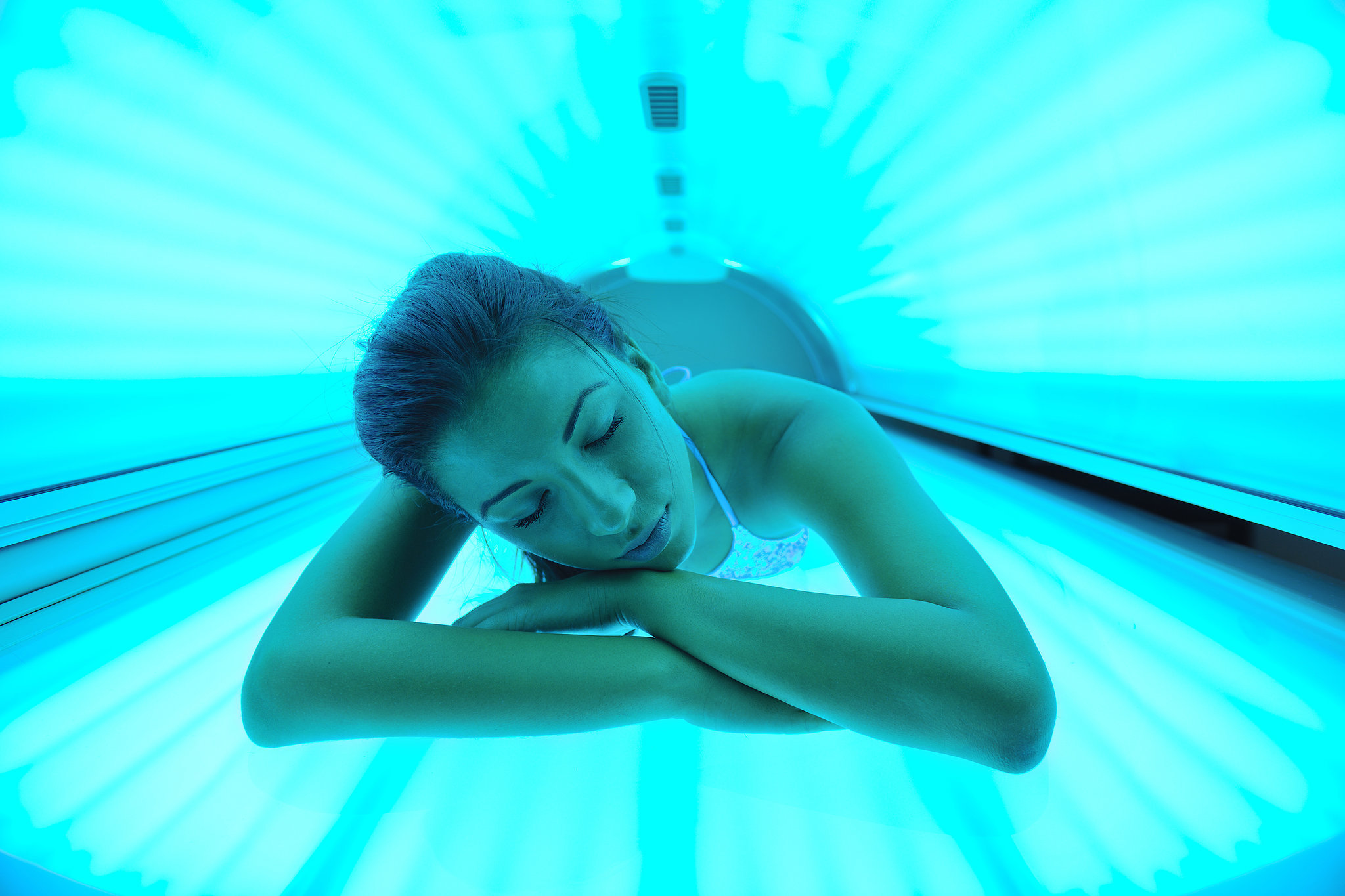
- A new study definitively links tanning beds to a near-tripling of melanoma risk.
- Researchers found tanning bed users had almost twice as many skin cell mutations.
- This dangerous DNA damage occurs across nearly the entire surface of the skin.
- Experts urgently call for policy reform, including bans on minors using tanning beds.
- The findings counter a social media-driven resurgence by showing the permanent genetic risk.
A deeper look at cellular damage
This epidemiological finding prompted a deeper, molecular question: how? Using advanced genomic sequencing on 182 skin biopsies, the scientists examined melanocytes, the pigment-producing cells where melanoma originates. They discovered that skin cells from tanning bed users carried nearly twice as many mutations as those from non-users. Critically, these mutations were found even in normal, mole-free skin and on areas like the lower back and buttocks, areas typically protected from the sun. "In outdoor sun exposure, maybe 20% of your skin gets the most damage," Gerami said. "In tanning bed users, we saw those same dangerous mutations across almost the entire skin surface." The study marks the first time researchers have pinpointed how tanning beds cause the DNA damage that leads to cancer. "Even in normal skin from indoor tanning patients, areas where there are no moles, we found DNA changes that are precursor mutations that predispose to melanoma," Gerami stated. "That has never been shown before." This creates a widespread field of injury, meaning users accumulate a high baseline of damage that makes it far easier to tip into full blown cancer later in life.A high personal cost
The human cost behind the data is embodied by patients like Heidi Tarr, 49, who donated skin samples for the research. As a teenager, she used a tanning bed several times a week because "it was just the thing to do." In her 30s, she was diagnosed with melanoma. "The biopsies can be painful, but the mental anxiety is worse," she said. "You’re always waiting for the call that it’s melanoma again." Her experience underscores a tragic pattern. "Most of my patients started tanning when they were young, vulnerable and didn’t have the same level of knowledge," Gerami noted. "They feel wronged by the industry." In light of the findings, experts are issuing urgent calls for policy reform. The World Health Organization classifies tanning beds as a Class 1 carcinogen, the same level as tobacco smoking and asbestos. Gerami argues public warnings must reflect this reality. "When you buy a pack of cigarettes, it says this may result in lung cancer," he said. "We should have a similar campaign with tanning bed usage." He and other health advocates insist that, at a minimum, indoor tanning must be banned for minors, a step already taken by countries like Australia and Brazil. This research arrives as tanning beds are experiencing a worrying resurgence, fueled by social media trends romanticizing the practice. The findings deliver a powerful, science-based rebuttal to any claims of safety. For anyone tempted by the promise of a quick glow, the message from both researchers and survivors is unequivocal. "For those who might be thinking about using a tanning bed," Tarr said, "I just would extremely recommend: don't use them." The pursuit of a temporary tan, it turns out, can permanently rewrite your genetic code, a gamble with stakes that are now clearer and higher than ever before. Sources for this article include: MedicalXpress.com News.Northwestern.edu NYPost.com USAToday.com
Petition urges FDA to study health risks of LED lighting and report to Congress
By Laura Harris // Share
New study links COVID-19 vaccines to increased cancer risk, revealing “smoking gun” evidence
By Patrick Lewis // Share
Various food products RECALLED over salmonella contamination, exposing food safety failures
By Olivia Cook // Share

Study: Healthy lifestyle can override “bad” genes, extending lifespan by up to 5 years
By Evangelyn Rodriguez // Share


By Finn Heartley // Share

Iraq Detains Ukrainian Nationals Suspected in Plot Against Gulf Oil Facilities
By garrisonvance // Share

U.S. Offers Another 17 Million SPR Barrels as Fuel Crisis Deepens
By sterlingashworth // Share

U.S. Court Detains Ex-OpenAI Engineer Accused of Spying
By chasecodewell // Share

Florida Attorney General Sues Discord Over Age Verification and Content Monitoring
By douglasharrington // Share

IMF Chief Calls for AI Guardrails as Officials Weigh Economic Risks and Opportunities
By edisonreed // Share