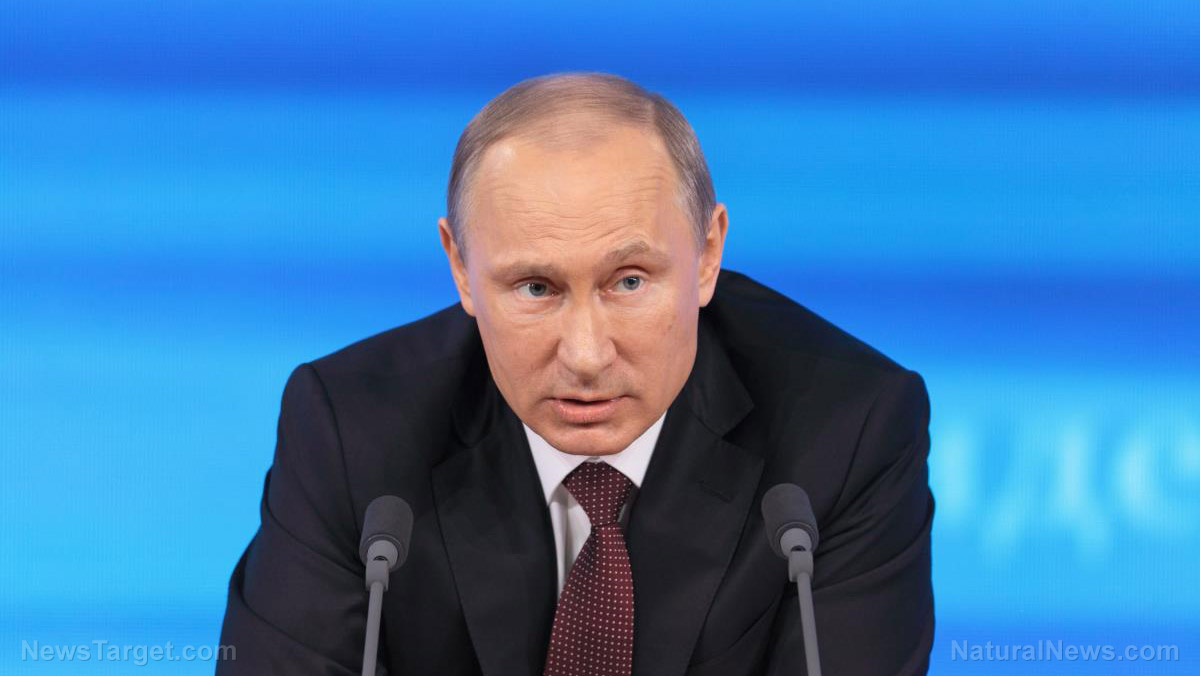
- Russia accuses Ukraine of a drone attack on Putin's residence, vowing severe retaliation.
- Ukraine's Zelensky denies the claim, calling it a fabrication to justify escalation.
- Russia warns it will revise its negotiation stance, citing alleged Ukrainian "state terrorism."
- The crisis follows promising Ukraine-U.S. talks, now jeopardizing fragile diplomatic progress.
- U.S. President Trump confirmed discussing the alleged attack with Putin, calling the timing wrong.
A shift in negotiation posture
Beyond the threat of missiles, Moscow promised a diplomatic counterpunch. Lavrov declared that Russia would review its negotiating position. "Given the complete degeneration of the criminal Kiev regime, which has shifted to a policy of state terrorism, Russia's negotiating position will be revised," he said. He emphasized, however, that Russia did "not intend to withdraw from the negotiation process with the U.S." The Kremlin reinforced this message directly to Washington. Kremlin aide Yuri Ushakov said President Putin informed President Donald Trump of the alleged attack during a call on Monday. Ushakov said Trump was "shocked" and "angry" upon hearing the news. According to Ushakov, Putin made it clear that "Russia's position will be reviewed on a number of agreements reached at the previous stage."Denials and accusations of pretext
Ukrainian President Volodymyr Zelensky issued a forceful and immediate denial. He dismissed Russia's claim as "a complete fabrication intended to justify additional attacks against Ukraine, including Kyiv." Zelensky accused Moscow of seeking a pretext to undermine the "progress" made in recent U.S.-Ukraine talks and to strike government buildings in the Ukrainian capital. Zelensky's denial sets up a "he said, she said" scenario common in this conflict, where independent verification is nearly impossible. The White House confirmed Trump's call with Putin was "positive" concerning Ukraine, but offered no assessment of the attack's validity. When questioned by reporters, Trump acknowledged Putin told him of the attack and said he was "very angry about it." He added, "It's not the right time to do any of that." The timing is indeed precarious. The allegation follows a lengthy meeting between Trump and Zelensky at Mar-a-Lago on Sunday, where both leaders suggested they were "very close" to a deal. Key territorial issues reportedly remained unresolved, but the dialogue was presented as active and progressing. This new crisis throws a massive wrench into that delicate machinery. By framing the alleged drone strike as "state terrorism," Russia is attempting to morally and legally justify a hardened stance, both at the negotiating table and on the battlefield. It echoes historical patterns where disputed provocations have been used to legitimize sweeping military actions. For the United States and Ukraine, the challenge is multifaceted. They must navigate the possibility of imminent Russian strikes while publicly challenging the narrative that could justify them. The situation puts significant pressure on U.S. diplomacy to either validate or debunk Moscow's claims to prevent a total collapse of talks. With threats of retaliatory strikes looming and trust deteriorating, the window for diplomatic resolution may be rapidly closing, making the next moves by all parties potentially decisive. Sources for this article include: RT.com Reuters.com BBC.com TheHill.com
Common flame retardants tied to higher heart disease risk, major review finds
By Laura Harris // Share

Israel mulling establishment of MILITARY BASE in Somaliland
By Ramon Tomey // Share

Germany moves to expand regulator powers over media under “transparency” bill
By Laura Harris // Share

Wegmans expands biometric surveillance in NYC stores, collecting facial, eye and voice data
By Laura Harris // Share

Colorado to pay $6.1 million in settlements after failed ban on abortion pill reversal
By Belle Carter // Share
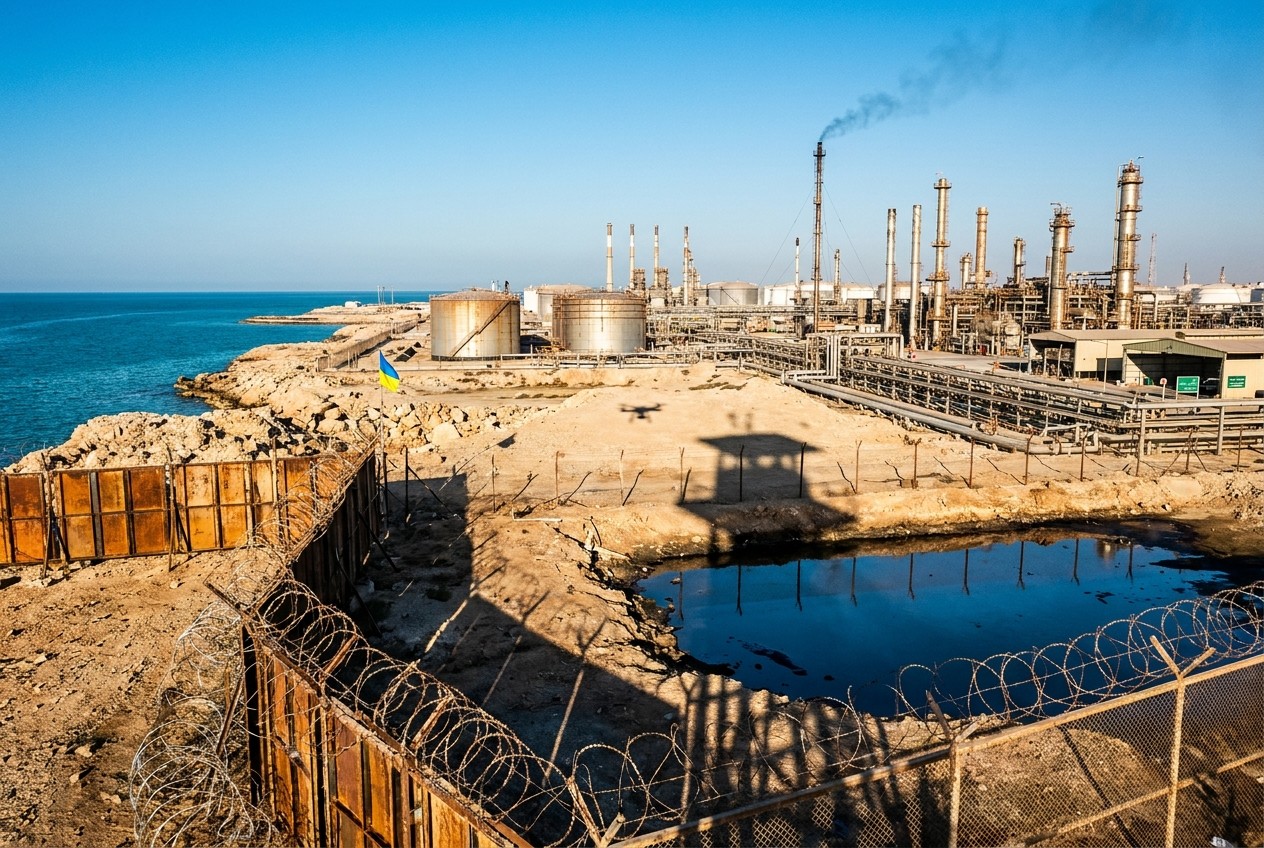
Iraq Detains Ukrainian Nationals Suspected in Plot Against Gulf Oil Facilities
By garrisonvance // Share

U.S. Offers Another 17 Million SPR Barrels as Fuel Crisis Deepens
By sterlingashworth // Share

U.S. Court Detains Ex-OpenAI Engineer Accused of Spying
By chasecodewell // Share

Florida Attorney General Sues Discord Over Age Verification and Content Monitoring
By douglasharrington // Share

IMF Chief Calls for AI Guardrails as Officials Weigh Economic Risks and Opportunities
By edisonreed // Share
