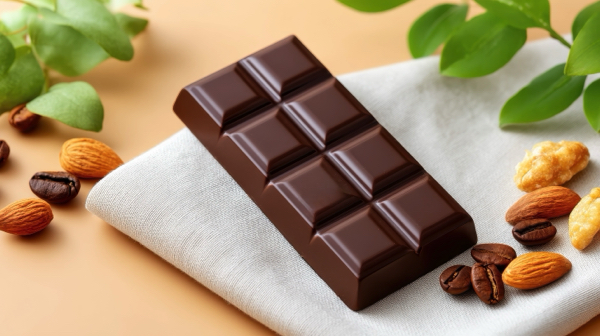
- A study links theobromine in dark chocolate to markers of slower biological aging.
- The research found higher theobromine levels associated with younger DNA and telomere patterns.
- Scientists caution this is not a recommendation to eat more commercial chocolate bars.
- Excessive theobromine can cause adverse effects like headaches and digestive issues.
- The compound is also found in teas, coffee, and yerba mate.
A specific compound stands out
The research meticulously examined various compounds found in cocoa and coffee. The association with slower biological aging was specific to theobromine. Other related substances did not show the same effect. This specificity points researchers toward a unique interaction between this single molecule and the body’s aging processes. "This is a very exciting finding, and the next important questions are what is behind this association and how can we explore the interactions between dietary metabolites and our epigenome further?" said lead researcher Dr. Ramy Saad from King’s College London and University College London. "This approach could lead us to important discoveries towards ageing, and beyond." The findings add a new layer to the story of theobromine, a compound first isolated from cacao beans in the 1800s. Its structure is similar to caffeine but with milder effects. Historically revered by ancient cultures like the Mayans, cacao’s modern scientific profile continues to grow, bridging traditional use and contemporary health research.Not a license to indulge
Despite the promising link, scientists are issuing a clear warning: this is not an endorsement to consume more dark chocolate haphazardly. Commercial chocolate bars often contain significant amounts of sugar and fat, which can negate any potential benefits. Furthermore, excessive theobromine intake can lead to adverse effects. Symptoms of excess theobromine include increased sweating, headaches, and acute digestive issues. James H. Swain, a nutrition director at Case Western Reserve University, noted that eating 50 to 100 grams of cocoa powder can cause these problems. "These symptoms may also be related to theobromine’s chemical similarity to caffeine and/or the effects of caffeine as well," he added. The researchers emphasize caution. "While we’re not saying that people should eat more dark chocolate, this research can help us understand how everyday foods may hold clues to healthier, longer lives," Bell stated. For those interested in theobromine, it is also present in other dietary sources such as green and black teas, coffee, and yerba mate. "These also pair superbly with dark chocolate, by the way," Swain suggested. The study opens new avenues for understanding how plant compounds influence aging. Alkaloids like theobromine may interact with cellular machinery that controls gene activity, potentially impacting health and longevity. Future research will explore whether theobromine acts alone or in concert with other compounds in dark chocolate, such as polyphenols. This research underscores a powerful principle in natural health: the solutions to modern wellness challenges are often found in nature’s ancient pantry. The story of theobromine evolves from ceremonial drink to subject of epigenetic study, reminding us that true health innovation often involves looking back at what we have always consumed, but with sharper, scientific eyes. The goal is not to find a miracle treat but to decode the subtle, powerful language of food and its dialogue with our genes. Sources for this article include: TheEpochTimes.com ScienceAlert.com MindBodyGreen.com
“Absolute Healing” on BrightU: Experts discuss regenerative medicine and emerging technologies
By Jacob Thomas // Share
The Dopamine Revolution: A natural blueprint for energy, mental clarity and sovereignty
By Belle Carter // Share


Aged garlic extract for heart health
By News Editors // Share


University of Arizona study explores reprocessing historic mine tailings for critical minerals
By Laura Harris // Share

Iraq Detains Ukrainian Nationals Suspected in Plot Against Gulf Oil Facilities
By garrisonvance // Share

U.S. Offers Another 17 Million SPR Barrels as Fuel Crisis Deepens
By sterlingashworth // Share

U.S. Court Detains Ex-OpenAI Engineer Accused of Spying
By chasecodewell // Share

Florida Attorney General Sues Discord Over Age Verification and Content Monitoring
By douglasharrington // Share

IMF Chief Calls for AI Guardrails as Officials Weigh Economic Risks and Opportunities
By edisonreed // Share