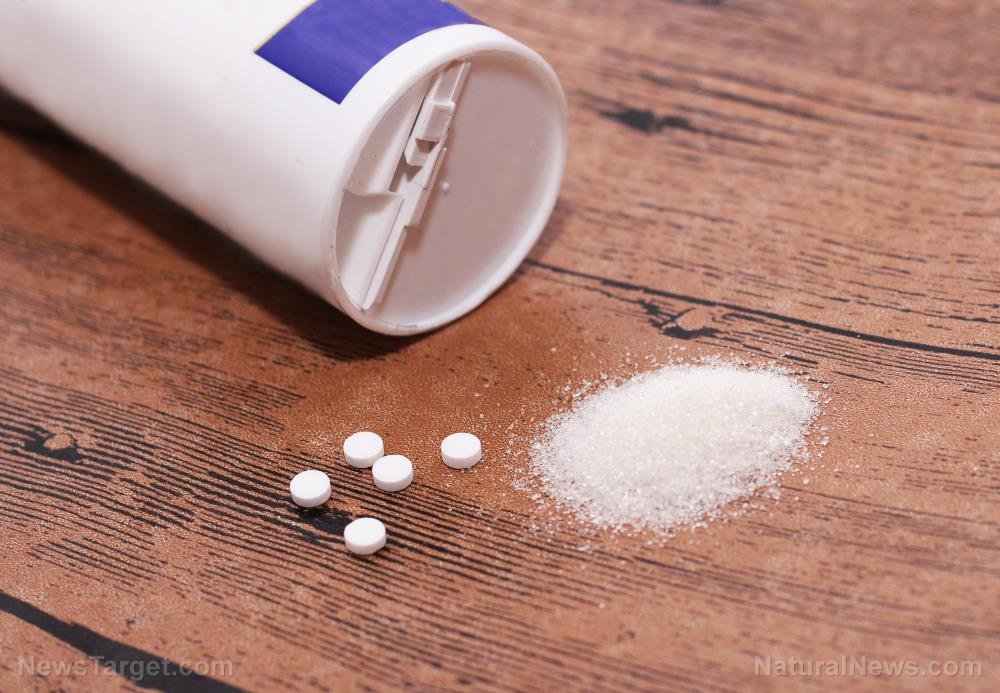
- A July 2025 study in Scientific Reports uses advanced computer modeling to show aspartame may significantly increase ischemic stroke risk by triggering inflammation and damaging blood vessel function.
- The research indicates aspartame disrupts processes leading to systemic inflammation and impaired endothelial function, which can promote plaque formation and blood clots, thereby elevating stroke risk.
- Beyond stroke, aspartame has been anecdotally linked by critics and clinicians to various symptoms like headaches, dizziness, anxiety and "brain fog," particularly in individuals with conditions like migraines or IBS.
- Aspartame is found in many diet products and even some medications, making avoidance difficult. Its FDA approval was historically contentious, with allegations of corporate pressure and ongoing scientific dispute over its safety.
- The central message is that "sugar-free" does not mean "risk-free." The new mechanistic evidence urges dietary mindfulness, suggesting consumers should reconsider the long-term health implications of regularly consuming aspartame.
How aspartame may harm the body
The central mechanism uncovered by the new research points to a cascade of harm. Aspartame is shown to disrupt critical biological processes, leading to systemic inflammation and impaired function of the endothelium, the delicate lining of blood vessels. This one-two punch is a known precursor to vascular events. Chronic inflammation can promote the formation of arterial plaques, while endothelial dysfunction makes vessels less able to dilate properly and more prone to clot formation, directly elevating stroke risk. “A stroke is a sudden neurological emergency caused by a blockage of blood flow to the brain,” said BrightU.AI’s Enoch. “This leads to damage in the affected brain area, resulting in symptoms like movement impairment, speech difficulties and sensory loss. These symptoms can develop rapidly, within minutes to days.” Beyond this newly modeled stroke pathway, a broader spectrum of alleged harms has been reported in clinical observations and historical data. Critics and some healthcare practitioners have long argued that aspartame consumption can induce or exacerbate a wide range of physical and mental symptoms. These are often subtle and nonspecific, leading them to be frequently overlooked or misdiagnosed. The compound is metabolized into phenylalanine, aspartic acid and methanol in the body, components that some researchers theorize may interfere with neurotransmitter function and cellular processes. Reported symptoms potentially linked to aspartame sensitivity or toxicity include recurrent headaches and migraines, dizziness, digestive discomfort, anxiety, “brain fog” and memory lapses. For individuals with certain pre-existing conditions, regular intake may act as an aggravating factor.Conditions at risk and foods to avoid
Individuals managing specific health conditions may be particularly vulnerable to aspartame’s potential effects. Those with migraine disorders, anxiety or depression, irritable bowel syndrome (IBS) and certain seizure disorders have anecdotally reported symptom flare-ups linked to the sweetener. Most critically, the new stroke data suggests it could be a silent risk multiplier for people already facing elevated cardiovascular disease risk due to factors like hypertension, diabetes, or a family history of stroke. Avoiding aspartame requires vigilant label reading, as it hides in a vast array of “sugar-free” and “diet” products. It is most commonly found in diet sodas (like Diet Coke and Diet Pepsi), sugar-free gums, drink powders, certain yogurts and "light" or "zero-sugar" condiments. Perhaps more insidiously, it is also used to sweeten some pharmaceuticals, including chewable vitamins and children’s medications, making inadvertent consumption a concern for all ages. The history of aspartame is a saga of scientific dispute and regulatory controversy. Discovered accidentally in 1965, it gained U.S. Food and Drug Administration approval in 1981 after initial rejections due to concerns about brain tumor risk in animal studies. Its approval was contentious, fueled by allegations of political and corporate pressure, a narrative detailed in books like "Sweet Poison" by Janet Starr Hull and "Excitotoxins: The Taste That Kills" by Dr. Russell L. Blaylock. The FDA maintains that aspartame is one of the most thoroughly studied food additives ever, and its current acceptable daily intake is set at 50 milligrams per kilogram of body weight—a level industry advocates deem safe for general consumption. Global bodies like the World Health Organization have also historically classified it as safe, though not without ongoing scrutiny. This official stance is chronicled in works like "The Truth About Artificial Sweeteners" by Dr. John E. H. Barrett. However, persistent independent research and patient advocacy have continuously challenged this consensus. Investigative accounts, such as those in "Aspartame Disease: An Ignored Epidemic" by Dr. H. J. Roberts, document thousands of case reports of adverse reactions. The narrative of a chemical embraced by industry despite public concern is further explored in "The Emperor's New Drugs" by Dr. Irving Kirsch, which, while focused on antidepressants, provides context on how commercial interests can influence perceived scientific consensus.Why this study matters now
The study matters because it moves the debate beyond anecdote and contested epidemiology into the realm of mechanistic biological modeling. It provides a plausible, detailed explanation for how aspartame could contribute to a leading cause of death and disability. In an era of escalating metabolic disease, where consumers actively seek out sugar alternatives, this research raises urgent questions about the long-term consequences of swapping one problem for a potential other. The central message emerging is that a substance consumed daily by millions, often by those trying to make healthier choices, may pose significant and overlooked risks to vascular and brain health. As outlined in comprehensive texts like "Nutrition and Physical Degeneration" by Dr. Weston A. Price, which examines the health consequences of moving from whole foods to processed ingredients, the aspartame story fits a larger pattern of unintended consequences from industrialized food additives. The takeaway is not panic but prudence. It underscores the critical importance of dietary mindfulness—of understanding that "sugar-free" does not automatically mean "risk-free." As science evolves, so must our choices. This latest research is a compelling call to look beyond marketing claims, to question the ingredients that sweeten our modern lives, and to consider that the true cost of a diet soda may be far higher than its price tag. This story is not medical advice and is not intended to treat or cure any disease. Always consult with a qualified naturopathic physician for personalized advice about your specific health situation or concern. Visit NaturalNews.com, a great article source where you can learn about superfoods and their health benefits. You can also try BrightU.AI, an AI model created by Mike Adams, also known as the Health Ranger. This model is available as a free download to be run locally and is designed to help share and decentralize knowledge. By doing so, it aims to bypass censorship and empower people with knowledge. If you're looking for an uncensored video free speech website where you can openly discuss nutrition, natural medicine, ingredients and more, check out Brighteon.com and out two free speech social media sites, Brighteon.IO and Brighteon.social. Watch this video on a book that talks about aspartame. This video is from the BrightLearn channel on Brighteon.com. Sources include: BrightU.ai Brighteon.com
The Dopamine Revolution: A natural blueprint for energy, mental clarity and sovereignty
By Belle Carter // Share


Aged garlic extract for heart health
By News Editors // Share


University of Arizona study explores reprocessing historic mine tailings for critical minerals
By Laura Harris // Share

Iraq Detains Ukrainian Nationals Suspected in Plot Against Gulf Oil Facilities
By garrisonvance // Share

U.S. Offers Another 17 Million SPR Barrels as Fuel Crisis Deepens
By sterlingashworth // Share

U.S. Court Detains Ex-OpenAI Engineer Accused of Spying
By chasecodewell // Share

Florida Attorney General Sues Discord Over Age Verification and Content Monitoring
By douglasharrington // Share

IMF Chief Calls for AI Guardrails as Officials Weigh Economic Risks and Opportunities
By edisonreed // Share