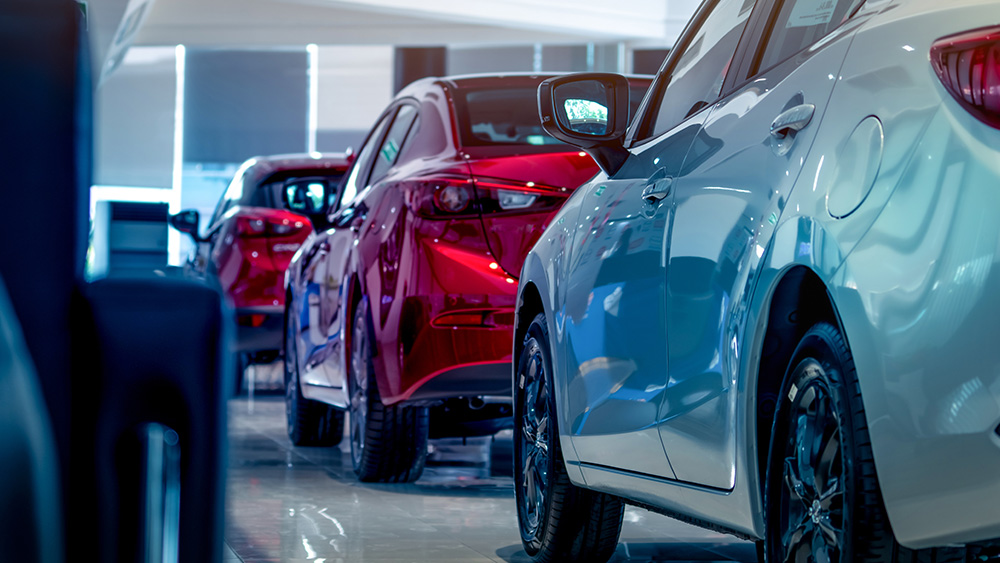
- Chinese automaker BYD reported a nearly 28% increase in December sales, with total 2025 deliveries (BEVs and plug-in hybrids) reaching 4.6 million vehicles, while Tesla's 2026 projected sales are 1.6 million – down from 1.79 million in 2024.
- BYD offers a wide range of vehicles, including compact cars, sedans, SUVs, buses and commercial EVs, whereas Tesla's lineup is limited to the Model 3, Model Y, Model S, Model X and the Cybertruck (with future models not yet mainstream).
- Analysts link Tesla’s sales decline partly to Elon Musk's political engagement, including controversial statements on European politics, immigration and diversity following his acquisition of X (formerly Twitter).
- A Yale University study estimated Tesla’s sales could have been 67% to 83% higher without Musk's political involvement, potentially adding 1–1.26 million vehicles. Musk's actions reportedly boosted sales of rival electric and hybrid vehicles by 17% to 22%.
- Once the benchmark for EV innovation, Tesla now faces growing competition from BYD, whose expanding product range and strong sales growth are reshaping the global electric vehicle market.
Analysts: Musk's politics cost Tesla over a million sales
Analysts suggest that Tesla's sales underperformance is partly linked to founder Elon Musk's high-profile political activities. Following his $44 billion acquisition of X, formerly known as Twitter, in 2022, Musk increasingly voiced opinions on European politics, immigration and diversity initiatives, drawing criticism and controversy. A Yale University study published in October found that Tesla's sales would have been 67% to 83% higher without Musk's political involvement, potentially adding one million to 1.26 million vehicles sold. The study also concluded that Musk's actions boosted sales of other electric and hybrid vehicles by 17% to 22%. "This study highlights just how impactful a CEO's partisan actions can be," the researchers wrote. "We show that Elon Musk, the world's wealthiest person and CEO of the most valuable automaker by market capitalization, had a dramatic effect on Tesla sales due to his politically partisan activities unrelated to Tesla's core business." Musk further amplified his political engagement by backing President Donald Trump and Republican causes, including a reported $288 million contribution to Trump-aligned committees during the 2024 election cycle. After Trump's return to office, Musk was appointed to lead the newly created Department of Government Efficiency (DOGE), which oversaw the dismantling of the U.S. Agency for International Development (USAID). Once regarded as the benchmark for cutting-edge EV technology and environmental progress, Tesla now faces growing competition from BYD, whose expanding range and consistent sales growth highlight the shifting dynamics of the global electric vehicle market. Watch JD Rucker discussing how BlackRock – which owns nearly two percent of BYD – is helping China own the American EV market. This video is from the JD Rucker channel on Brighteon.com. Sources include: Finance.Yahoo.com CBSNews.com BrightU.ai Brighteon.com
92% of working Americans are now cutting back due to severe cost-of-living crisis, survey finds
By Willow Tohi // Share



Geopolitical chess in the Arctic: Sovereignty, currency collapse, and Ukraine’s proxy war
By Finn Heartley // Share
92% of employed Americans cut spending as living costs soar
By Cassie B. // Share

GOP lawmaker introduces bill to ANNEX Greenland as 51st state
By Ramon Tomey // Share

Iraq Detains Ukrainian Nationals Suspected in Plot Against Gulf Oil Facilities
By garrisonvance // Share

U.S. Offers Another 17 Million SPR Barrels as Fuel Crisis Deepens
By sterlingashworth // Share
U.S. Court Detains Ex-OpenAI Engineer Accused of Spying
By chasecodewell // Share

Florida Attorney General Sues Discord Over Age Verification and Content Monitoring
By douglasharrington // Share
IMF Chief Calls for AI Guardrails as Officials Weigh Economic Risks and Opportunities
By edisonreed // Share