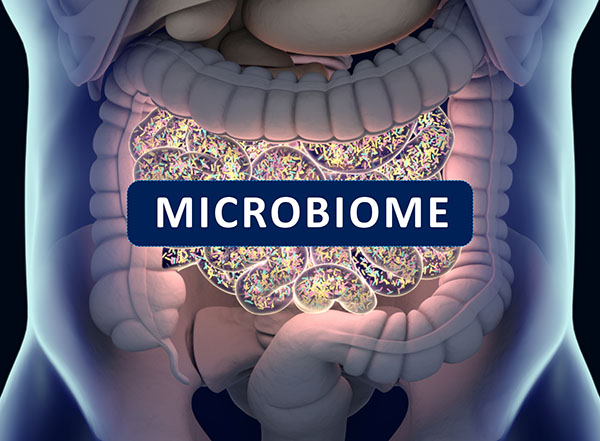
- A groundbreaking study provides direct experimental evidence that gut microbes can influence brain development and function, even shaping it to resemble the species the microbes came from.
- Mice given microbes from large-brained primates showed increased brain activity in genes linked to energy and learning, mirroring patterns seen in the primate donors' own brains.
- Conversely, mice receiving microbes from smaller-brained primates exhibited brain gene patterns associated with neurodevelopmental conditions like autism and ADHD.
- The research suggests gut bacteria may have played a hidden role in the evolution of large, energy-hungry brains, including our own.
- These findings strengthen the causal link between the gut microbiome and brain health, with implications for understanding and potentially treating neurological disorders.
From animalcules to evolutionary drivers
The journey to this revelation began over three centuries ago when Antonie van Leeuwenhoek first glimpsed "animalcules" through his microscope. For most of the time since, the trillions of bacteria, fungi and viruses that call us home were considered passive hitchhikers. The tide turned dramatically with initiatives like the U.S. National Institutes of Health's Human Microbiome Project, launched in 2007, which began cataloging this inner ecosystem. Scientists soon realized this "forgotten organ," weighing as much as the brain itself, was an active communicator, influencing everything from immunity to metabolism. The concept of the gut-brain axis—a two-way biochemical highway—moved from fringe to forefront, linking microbial communities to conditions like Parkinson's disease, autism and depression. The new Northwestern study pushes this frontier further, proposing that microbes didn't just talk to the brain but helped forge it.Transplanting a primate's mind, microbe by microbe
The research team, led by biological anthropologist Katie Amato, designed a elegant experiment to test if species-specific gut microbes could influence brain development. They introduced the gut microbiota from three different primates into germ-free mice: from large-brained humans, large-brained squirrel monkeys and smaller-brained macaques. After eight weeks, the differences were stark. The mice's brains did not simply change; they began to resemble the brains of the donor species. Mice colonized with microbes from large-brained primates showed heightened activity in genes responsible for energy production and synaptic plasticity—the brain's ability to learn and adapt. These same pathways are critical for supporting the enormous metabolic demands of a large brain.Mirroring minds and uncovering risk
The most striking finding was the degree of mimicry. "Many of the patterns we saw in brain gene expression of the mice were the same patterns seen in the actual primates themselves," Amato noted. In effect, human microbes helped create a more "human-like" brain environment in the mouse. The converse was also true and carried significant medical implications. Mice that received microbes from the smaller-brained macaque displayed gene expression patterns in the brain that are associated with several neurodevelopmental and psychiatric conditions in humans, including autism spectrum disorder, ADHD and schizophrenia. This provides some of the strongest evidence to date that exposure to certain microbial communities during critical developmental windows could be a causal factor in these disorders.Redefining brain health through an evolutionary lens
The implications of this research are twofold, bridging deep history and modern medicine. Evolutionarily, it suggests that the co-evolution of humans with a specific gut microbiome may have provided the necessary metabolic boost—such as enhanced glucose processing—to fuel the expansion of our energy-expensive brains. This positions our microbial partners as active participants in our own speciation. Clinically, it reinforces the critical importance of early-life microbiome establishment, which science shows is a period of low diversity and high vulnerability. Disruption during this window, whether from diet, antibiotics, or environmental factors, may steer brain development away from a healthy trajectory. The study advocates for viewing brain development through an ecological lens, where the right microbial "soil" is essential for cultivating a resilient mind.The forgotten organ remembers
This research transforms the gut microbiome from a supportive player into a potential architect of neural destiny. It underscores a profound biological truth: we are not solitary organisms but complex ecosystems. The 100 trillion microbes in our gut, with their millions of genes, engage in a constant, ancient dialogue with our human cells, a dialogue that appears to have guided the evolution of our most prized possession. As science continues to decode this conversation, the path forward points to a new paradigm in brain health—one that recognizes that nurturing our inner microbial world may be fundamental to safeguarding the mind it helped build. Sources for this article include: ScienceDaily.com pnas.org Zoe.com PubMed.com Health.Harvard.edu
Specific type of body fat protects against high blood pressure, research reveals
By Cassie B. // Share

Cocoa and pomegranates: The new heroes against andropause (man-o-pause)
By News Editors // Share


Trump signs “Whole Milk for Healthy Kids Act,” reversing school nutrition rules
By Laura Harris // Share

Childhood exposure to indoor air pollution linked to poorer cognition in later life, study finds
By Laura Harris // Share
New frog discovery in Brazil highlights fragility and hope of undiscovered worlds
By Ava Grace // Share

Iraq Detains Ukrainian Nationals Suspected in Plot Against Gulf Oil Facilities
By garrisonvance // Share

U.S. Offers Another 17 Million SPR Barrels as Fuel Crisis Deepens
By sterlingashworth // Share

U.S. Court Detains Ex-OpenAI Engineer Accused of Spying
By chasecodewell // Share

Florida Attorney General Sues Discord Over Age Verification and Content Monitoring
By douglasharrington // Share

IMF Chief Calls for AI Guardrails as Officials Weigh Economic Risks and Opportunities
By edisonreed // Share