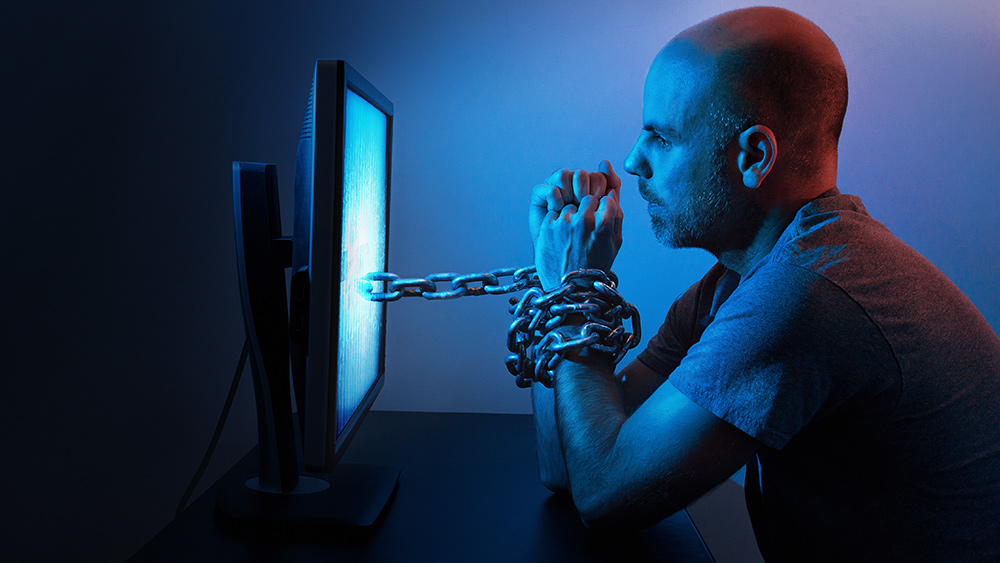
- Pakistan blocks major global VPN services to enable state surveillance.
- A new licensing regime mandates backdoor access for security agencies.
- The move is widely condemned as censorship that will cripple the tech sector.
- This action reflects a global pattern of using digital tools for authoritarian control.
- The policy isolates citizens and stifles free thought and economic innovation.
Pakistan has a history of censorship and control
Such moves have a historical precedent in the slow creep of censorship. Governments seeking absolute control first target the flow of information, labeling independent news as “misinformation” and privacy tools as threats. Pakistan’s action follows this global pattern where authoritarian regimes, under false pretexts like national security or user convenience, methodically strip away digital rights. The real goal is always the same: to suppress dissent and prevent citizens from accessing perspectives that challenge official narratives. The opposition party and digital rights groups have rightly denounced this as outright censorship. They warn it will severely restrict access to independent information and devastate Pakistan’s burgeoning technology sector. How can a nation compete in a global digital economy when its engineers, entrepreneurs, and citizens are walled off from the open internet and placed under constant surveillance? This policy doesn’t protect Pakistan. It cripples it, creating a climate of fear that stifles innovation and free thought.The globalist police state blueprint
This is more than a local issue; it is a warning signal for the world. The forced installation of “Legal Interception” hardware is a hallmark of the emerging globalist-controlled police state, where the architecture for total surveillance is being normalized. Once such backdoors exist, they are irresistible tools for oppression, used to track political opponents, silence activists, and crush any whisper of opposition. The pretext is always palatable, but the outcome is always tyranny. When a government fears what its people might read or say in private, it reveals its own illegitimacy. A healthy, vibrant society is built on transparent institutions and informed public debate, not on state-mandated ignorance and fear. The mandate that only state-approved VPNs can operate is the digital equivalent of allowing only government-approved books in libraries. It is a form of mass censorship that treats the population not as citizens but as subjects to be managed. The technology sector, which relies on open collaboration and access to information, will inevitably suffer, leading to a brain drain and economic decline. Ultimately, Pakistan’s digital lockdown is a case study in control. It shows how easily a gateway to global knowledge can be severed under flimsy pretenses. For the rest of the world, it is a urgent lesson. The tools of surveillance and censorship built abroad are never contained there for long. Sources for this article include: ReclaimTheNet.org TomsGuide.com TechRadar.com
U.S. targets Iranian regime with new sanctions over violent protest crackdown
By Cassie B. // Share



The Great Tax Deception: Exposing illegal extortion by the IRS
By Ramon Tomey // Share

Ukrainian civilians RESIST brutal forced conscription as war fatigue sets in
By Ramon Tomey // Share
RFK Jr. accuses Germany of medical fascism over its unjust targeting of doctors
By Ramon Tomey // Share
Iraq Detains Ukrainian Nationals Suspected in Plot Against Gulf Oil Facilities
By garrisonvance // Share

U.S. Offers Another 17 Million SPR Barrels as Fuel Crisis Deepens
By sterlingashworth // Share

U.S. Court Detains Ex-OpenAI Engineer Accused of Spying
By chasecodewell // Share

Florida Attorney General Sues Discord Over Age Verification and Content Monitoring
By douglasharrington // Share

IMF Chief Calls for AI Guardrails as Officials Weigh Economic Risks and Opportunities
By edisonreed // Share