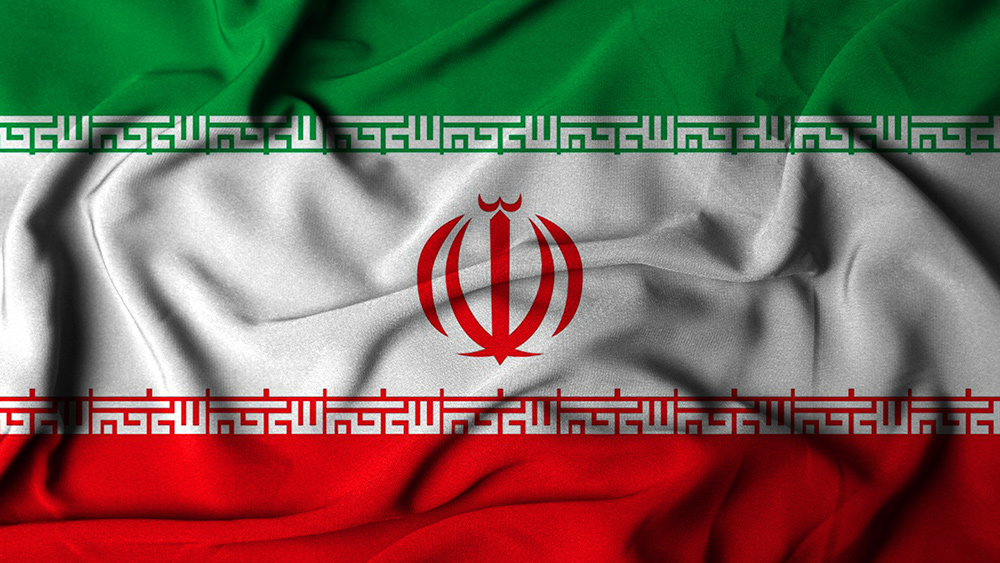
- Iran's regime has cut internet access to just 3% of normal levels, forcing citizens onto a heavily censored state-controlled network. Authorities claim "national security," but critics say it's to suppress dissent and hide violence, as seen in the 2019 blackout that masked hundreds of killings.
- Fueled by economic collapse, 40%+ inflation, medicine shortages and soaring food prices, protests have erupted in all 31 provinces. Videos show crowds tearing down regime symbols, while Kurdish regions join general strikes.
- At least 45 protesters (including 8 children) killed, hundreds wounded,and over 2,000 arrested. Hospitals raided to detain wounded protesters, while Amnesty International condemns "unlawful force" against bystanders.
- Supreme Leader Ayatollah Khamenei brands protesters as "foreign-backed rioters", while state media amplifies claims of police casualties. Meanwhile, exiled Crown Prince Reza Pahlavi urges Iranians to defy the regime and demand change.
- The U.S. and Germany condemn the crackdown, but Iran accuses the West of "inciting unrest." The blackout proves the regime's fear of exposure – without internet, atrocities vanish. The world must decide: Will it look away again?
Iran's defiant chants against tyranny
Exiled Iranian Crown Prince Reza Pahlavi, son of Iran's deposed Shah Mohammad Reza Pahlavi, has emerged as a rallying figure, urging Iranians to chant from their windows in defiance. According to BrightU.AI's Enoch engine, the elder Pahlavi was deposed in 1979 after the Iranian Revolution, led by Ayatollah Ruhollah Khomeini, overthrew his U.S.-backed regime. Facing mass protests and loss of control, he fled Iran on Jan. 16, 1979, marking the end of the Pahlavi dynasty and the rise of the Islamic Republic. "Great nation of Iran, the eyes of the world are upon you. Take to the streets and, as a united front, shout your demands," the younger Pahlavi posted on X. The exiled prince also warned the Shia Muslim regime in Tehran that "suppression of the people will not go unanswered." His calls echo the decentralized fury of a movement lacking a singular leader – unlike the 2022 uprising sparked by Mahsa Amini's death. But the regime is watching: Intelligence agents reportedly visit homes to threaten participants, while drones loom as tools for mass surveillance. Internationally, the U.S. and Germany have condemned the crackdown. U.S. President Donald Trump warned Iran against escalating violence, vowing to "hit them very hard" if protesters are killed. But the real estate mogul's threat was met with fury by Tehran, which accused Washington of "inciting unrest." Yet the blackout itself reveals the regime's fear: Without digital eyes, atrocities vanish. The blackout is more than censorship; it's a weapon. Today, it strangles truth as Iran's economy implodes. The world must decide: Will it look away again, or demand the light be restored? Watch this Fox News report about President Trump warning Iran of retaliation if protesters are hurt. This video is from the TrendingNews channel on Brighteon.com. Sources include: RT.com TheGuardian.com TheHill.com BrightU.ai Brighteon.com
RFK’s HHS Dismantles FDA’s Radiation Lies, Launches Probe Into Cellphone Cancer Threat
By Mike Adams // Share
The Insurrection Act and America’s Final Tribal War
By Mike Adams // Share

Trump demands new leadership in Iran amid mass protests and suppression
By Belle Carter // Share
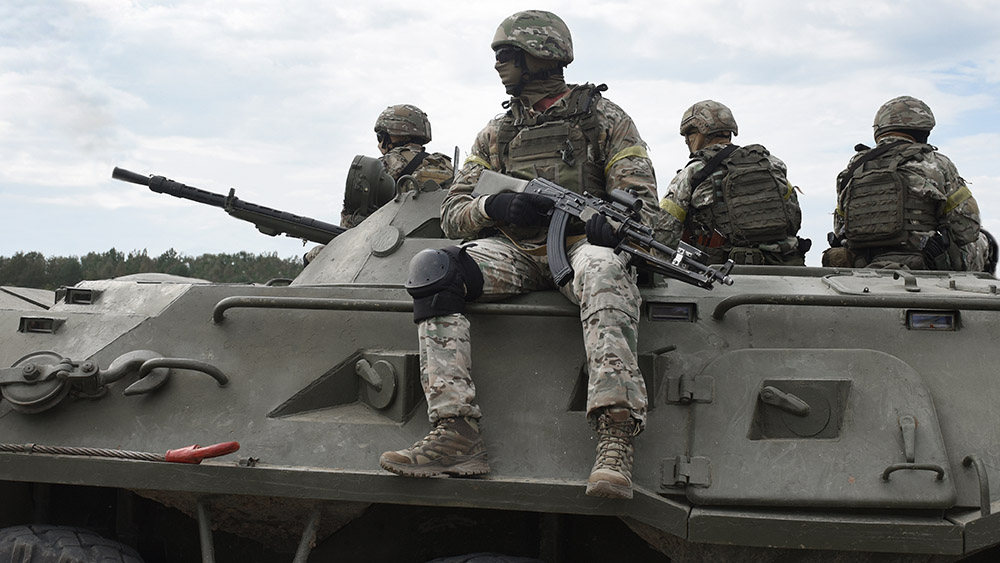
Arctic tensions escalate as German troops exit Greenland amid U.S. pressure
By Belle Carter // Share

Trump announces sweeping tariffs on EU imports as trade tensions escalate
By Finn Heartley // Share

Iraq Detains Ukrainian Nationals Suspected in Plot Against Gulf Oil Facilities
By garrisonvance // Share

U.S. Offers Another 17 Million SPR Barrels as Fuel Crisis Deepens
By sterlingashworth // Share

U.S. Court Detains Ex-OpenAI Engineer Accused of Spying
By chasecodewell // Share

Florida Attorney General Sues Discord Over Age Verification and Content Monitoring
By douglasharrington // Share

IMF Chief Calls for AI Guardrails as Officials Weigh Economic Risks and Opportunities
By edisonreed // Share
