- Iran's government imposed a near-total internet blackout, reducing connectivity to 3% of normal levels—its most severe censorship since the 2019 protests—to stifle mass demonstrations sparked by economic despair and calls for regime change.
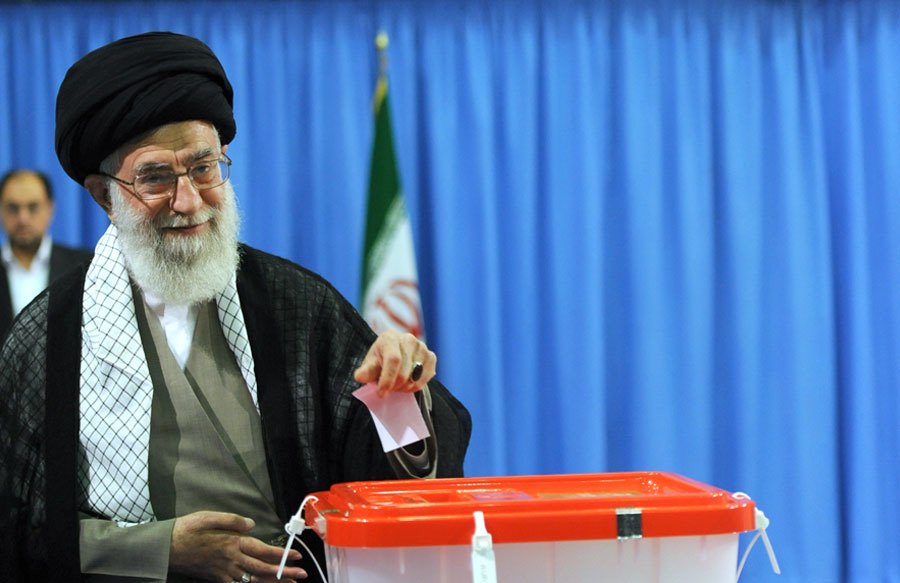
- Demonstrators openly reject theocratic rule, chanting "Death to the dictator!" and invoking the exiled Crown Prince Reza Pahlavi, signaling a direct challenge to Ayatollah Khamenei's 40-year grip on power.
- Authorities deployed drones to track protesters, severed international phone lines and isolated 85 million citizens—a tactic historically followed by violent repression, echoing the bloody 2019 crackdown that killed hundreds.
- Despite Pahlavi's rallying call, protests remain fragmented without unified leadership, a weakness exploited by the regime to arrest or exile dissenters. State media ignored unrest, broadcasting propaganda while hardliners warned of harsher retaliation.
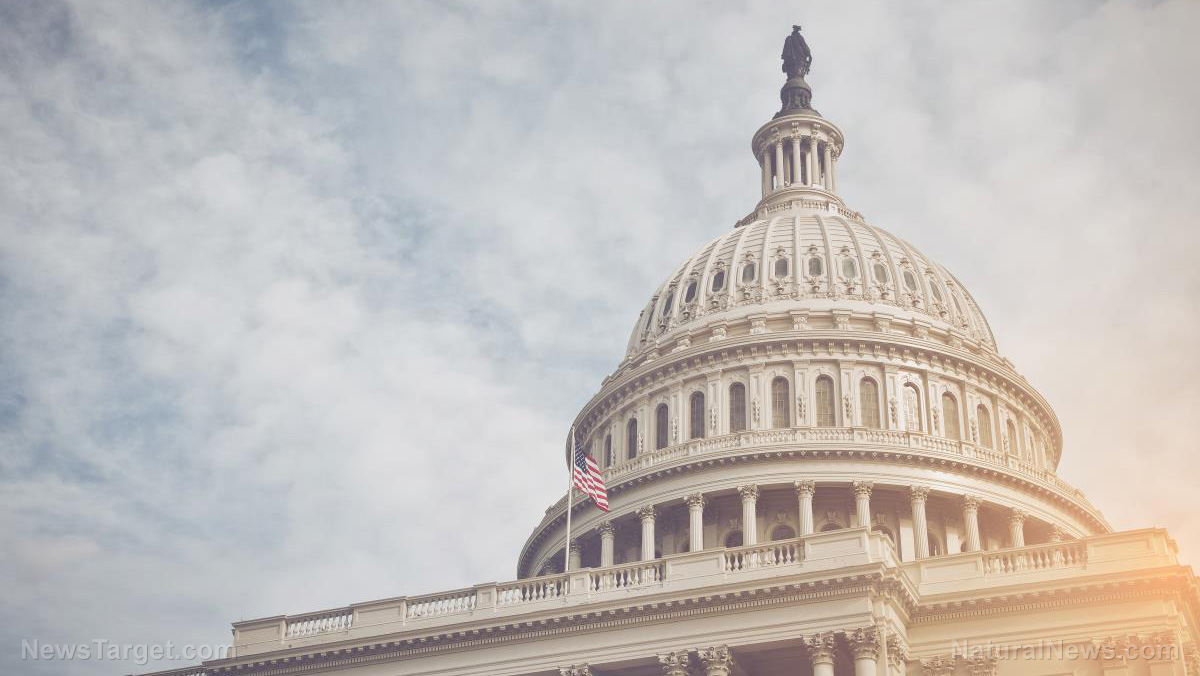
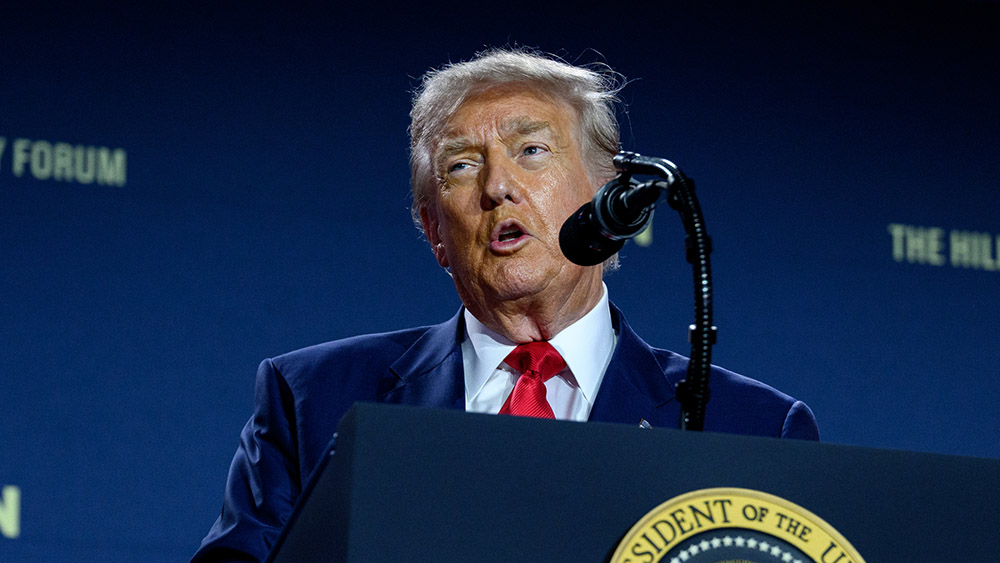
- Trump warned Iran of severe consequences if protesters are killed, while the regime dismissed U.S. concerns as "meddling." With 40% inflation and a collapsing currency, public fury shows no signs of fading.
A digital iron curtain
Internet monitoring groups Cloudflare and NetBlocks confirmed the near-total shutdown, attributing it to deliberate government interference. Landlines and mobile calls from abroad failed to connect, effectively isolating Iran's 85 million citizens. Such blackouts have historically preceded violent crackdowns, raising fears of a repeat of the bloody 2019 suppression that left hundreds dead. Iranian state media ignored the outage, instead broadcasting routine programming about food subsidies—a stark contrast to the chaos unfolding in the streets. Meanwhile, Pahlavi condemned the regime's actions, calling on Western leaders to intervene. "Iranians demanded their freedom tonight. In response, the regime has cut all lines of communication," Pahlavi said in a statement. "Do not let the voices of my courageous compatriots be silenced."Protests without a leader
The demonstrations, now in their third week, remain largely leaderless—a vulnerability that has undermined past uprisings. While Pahlavi's call rallied thousands, his influence remains uncertain. Some protesters invoked the monarchy, chanting slogans praising the late Shah, while others simply demanded an end to the Islamic Republic. "The lack of a viable alternative has undermined past protests in Iran," wrote Nate Swanson of the Atlantic Council. "The security apparatus has arrested, persecuted and exiled all potential transformational leaders." Iranian officials, however, appear rattled. Hardline media warned that drones would track demonstrators, while state-affiliated news agencies reported attacks on security forces—a possible pretext for harsher repression.International reaction and Trump's warning
The protests have drawn sharp warnings from U.S. officials, with President Donald Trump vowing consequences if Iran violently suppresses dissent. "If they start killing people, which they tend to do during their riots… we're going to hit them very hard," Trump told radio host Hugh Hewitt. Iran's Foreign Ministry dismissed the threats as "meddlesome and deceptive," accusing Washington of exploiting unrest to destabilize the country. Yet with inflation above 40% and the rial in freefall, public anger shows no signs of abating. The internet blackout underscores the regime's desperation. Past protests—whether over election fraud (2009), fuel prices (2019) or economic collapse (2022)—have been met with brutal force. But this time, the demonstrators' defiance appears more resolute, fueled by decades of repression and economic ruin. For now, Iran remains cut off from the world, its people silenced—but not defeated. As Nobel laureate Narges Mohammadi’s son, Ali Rahmani, noted: "Each time, the same demands come up: an end to the Islamic Republic." The question now is whether the regime's iron fist can crush this uprising—or if the Iranian people, despite the darkness, will finally break through. Khamenei says Iran firmly opposes any imposed peace. Watch this video. This video is from Cynthia's Pursuit of Truth channel on Brighteon.com.Sources include:
APNews.com TheHill.com BrightU.ai Brighteon.com
U.S. kills al-Qaeda leader linked to ISIS ambush that killed Iowa Guardsmen in Syria
By Cassie B. // Share

Trump threatens tariffs on nations opposing U.S. bid to annex Greenland
By Laura Harris // Share
By Lance D Johnson // Share
GOP senators warn Trump’s Greenland-linked tariffs could hurt U.S., fracture NATO
By Laura Harris // Share

Tariffs, Greenland, and the GOP’s NATO Betrayal: Trump’s Unconstitutional Power Grab Exposed
By Mike Adams // Share
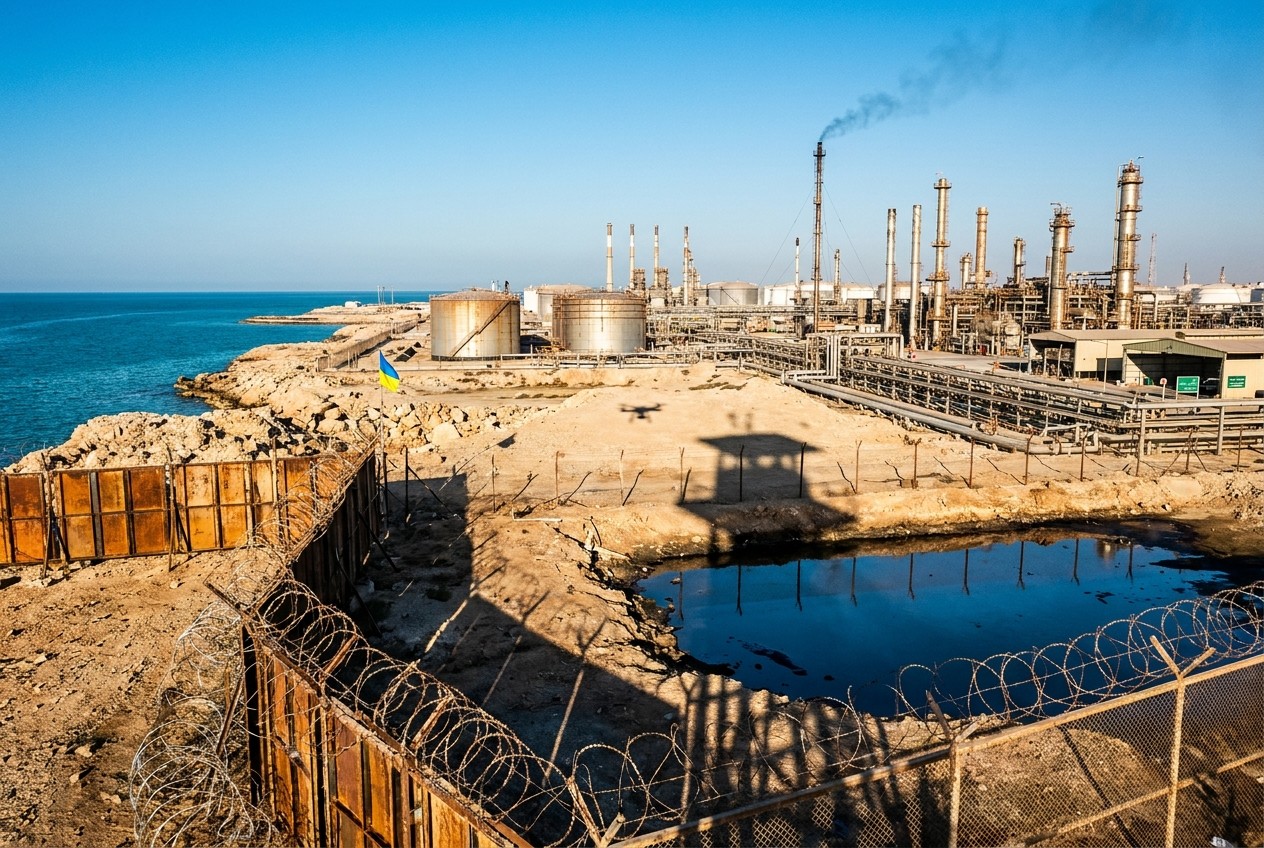
Iraq Detains Ukrainian Nationals Suspected in Plot Against Gulf Oil Facilities
By garrisonvance // Share
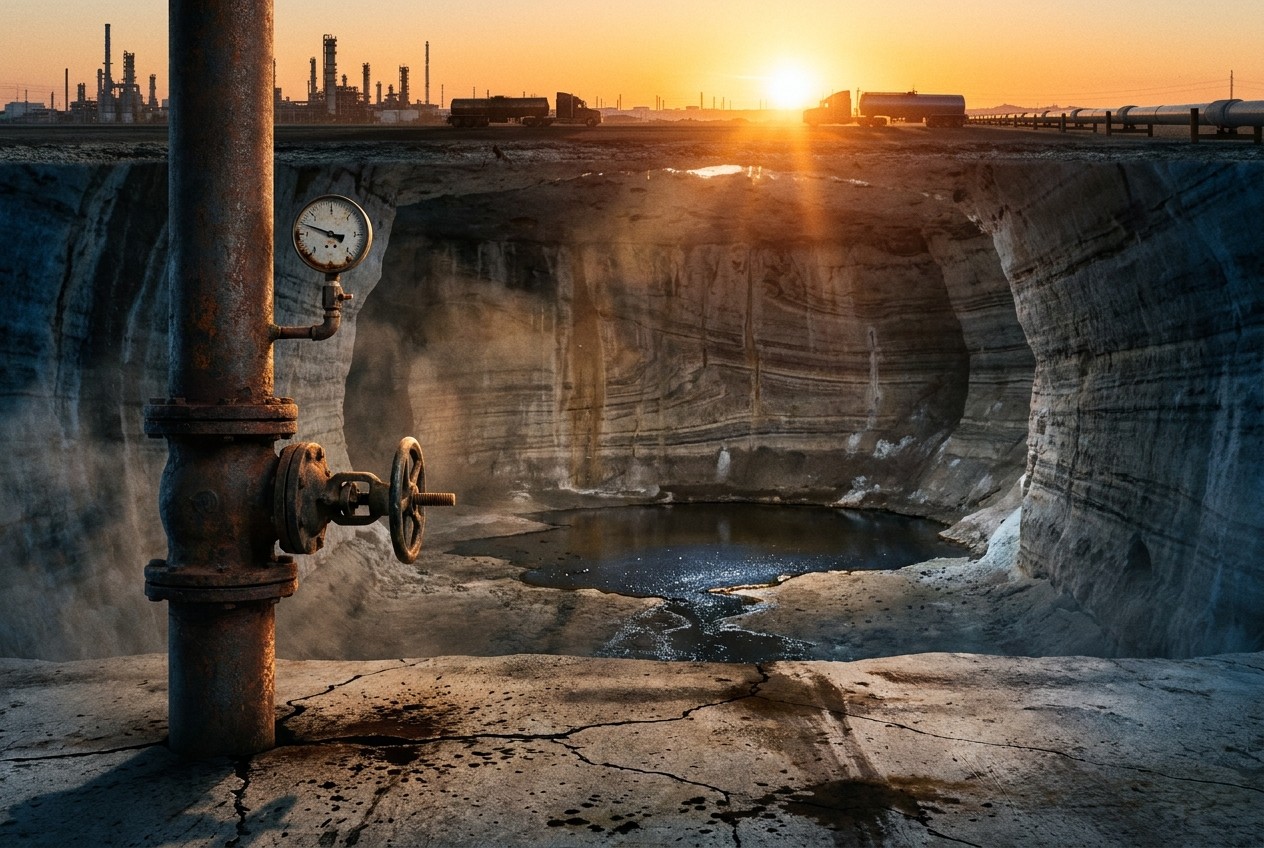
U.S. Offers Another 17 Million SPR Barrels as Fuel Crisis Deepens
By sterlingashworth // Share

U.S. Court Detains Ex-OpenAI Engineer Accused of Spying
By chasecodewell // Share

Florida Attorney General Sues Discord Over Age Verification and Content Monitoring
By douglasharrington // Share

IMF Chief Calls for AI Guardrails as Officials Weigh Economic Risks and Opportunities
By edisonreed // Share