- Frontotemporal dementia (FTD), a cruel form of cognitive decline targeting personality and speech, can strike with devastating speed in young adulthood, as evidenced by Andre Yarham’s diagnosis at 22 and death at 24.
- This condition represents not accelerated aging, but a rapid, disease-driven collapse of critical brain networks, often propelled by powerful genetic mutations that disrupt fundamental cellular processes.
- The generous donation of affected brain tissue for research is a pivotal act of defiance against a medical establishment that often offers only palliative care, providing irreplaceable clues for future prevention and treatment.
- This case forces a broader, more skeptical examination of the myriad modern insults—from environmental poisons to the fallout of unchecked technological and agricultural experiments—that may be priming younger brains for failure.
The cruel thief of personality
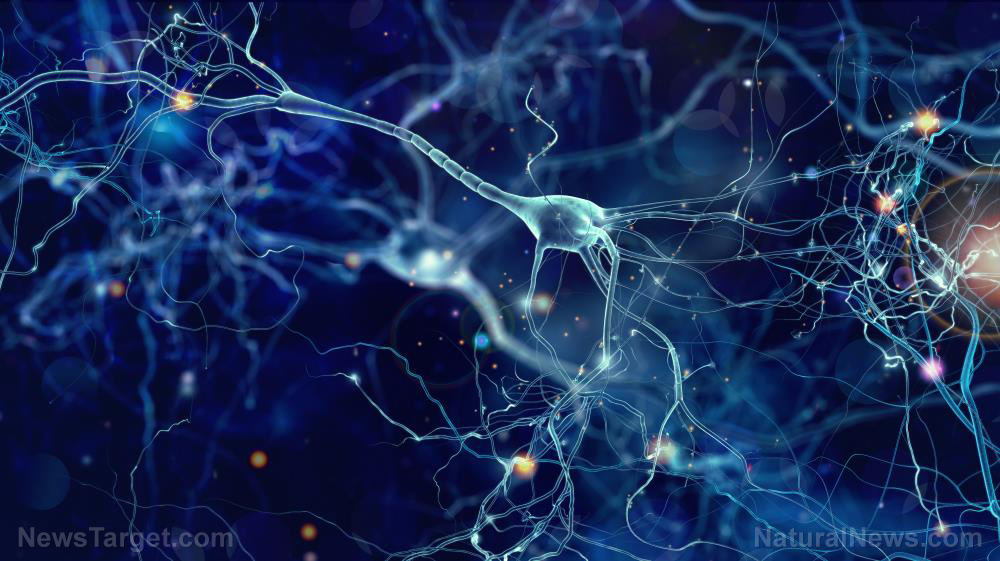
Dementia, in the sanitized parlance of conventional medicine, is often framed as a memory disorder of the aged. But frontotemporal dementia is a different beast entirely. It bypasses the memory centers to launch a direct assault on the very core of self. The frontal and temporal lobes, situated behind the forehead and above the ears, are the command centers for judgment, empathy, social conduct, and language. When FTD infiltrates these regions, it doesn’t just erase facts; it dismantles the person. Individuals may shed their inhibitions, become apathetic or explosively impulsive, and slowly lose the ability to speak or comprehend words. For families, it is a living funeral, watching a loved one’s personality evaporate while their body remains. Yarham’s journey from forgetfulness and blank stares to a loss of speech and wheelchair dependence in just two years illustrates the savage tempo of this disease, a timeline that mocks the slow march of typical aging. The physiological mechanism is a story of cellular sabotage. In many familial cases, a genetic mutation corrupts the delicate system neurons use to manage proteins. Essential proteins, meant to be folded precisely and recycled, instead misfold and clump into toxic aggregates. These intracellular garbage piles choke the cell’s machinery, leading to dysfunction and, ultimately, cellular suicide. As waves of neurons die, the brain tissue itself physically shrinks—a process starkly visible on the MRI of a young man, showing atrophy that would be expected in a septuagenarian. This is not aging or genetics. This is a physiological process, hijacked.Beyond genetics: The silent landscape of modern brain injury
While a potent genetic mutation can certainly fast-track this neurological collapse, it is dangerous and naive to view cases like Yarham’s in a purely genetic vacuum. The historical context of human health shows our brains evolved in a far cleaner, more natural environment. Today, they are besieged from conception. We must ask the questions the mainstream avoids: What role do the cumulative neurotoxicants in our food, water, and air play in weakening the blood-brain barrier or stressing cellular cleanup mechanisms? Could the inflammatory storm triggered by ultra-processed diets and stealth infections lower the brain’s threshold for expressing genetic predispositions? Consider the relentless assault from industrial chemicals, heavy metals, and electromagnetic pollution. These are not conspiracy theories; they are documented environmental realities. The brain of a 24-year-old today has been bathed since infancy in a chemical soup unknown to previous generations. Furthermore, the radical experimentation with our food supply, hinted at in research on genetic transfer from modified crops, introduces unknown variables into our biological equation. When a brain’s fundamental protein-handling machinery is already genetically delicate, could these constant, low-grade toxic insults be the final push that triggers a catastrophic failure? The system wants you to blame bad luck or bad genes alone, shielding the corporations that profit from polluting our world. True medicine demands we investigate the entire battlefield.A legacy written in tissue: The ultimate gift of hope
In the shadow of their profound grief, the Yarham family made a decision that embodies true medical defiance: They donated Andre’s brain to science. In an era where real clinical research is often supplanted by corrupt, drug-company-funded trials, this act of donation is a pure contribution to knowledge. Brains from such tragically young-onset cases are vanishingly rare. They are the Rosetta Stones for deciphering this disease. While scans show where the brain has shrunk, only donated tissue can reveal the molecular why. Researchers can analyze which specific proteins ran amok, which neuron populations were most vulnerable, and how the brain’s immune system—its microglia—may have inadvertently fueled the inflammation that ravaged tissue. This is the granular, unvarnished truth that no pharmaceutical advertisement can provide. Each donated brain is a candle lit against the darkness, guiding the way toward therapies that might one day intercept this process before it steals another young life. It is a testament to the human spirit’s refusal to let suffering be meaningless. The passing of Andre Yarham is a piercing tragedy that should shake us from complacency. It forces a confrontation with the uncomfortable reality that dementia is a spectrum of disorders, some of which have roots planted deep in youth by a combination of inherited vulnerability and modern environmental betrayal. Honoring his memory requires more than passive sympathy; it demands a vigorous, independent pursuit of the root causes of dementia. We must champion genuine science, question the toxic status quo, and protect the fragile biology of the next generation. The health of our brains, young and old, depends on our courage to seek causes, not just manage symptoms. Sources include: StudyFinds.org TheConversation.com Enoch, Brighteon.ai

CDC issues urgent warning as flesh-eating screwworm flies advance toward U.S. border
By Kevin Hughes // Share

New study reveals how drinking TEA could strengthen bones in older women
By Ramon Tomey // Share


The Sound of Democracy Cracking: ICE’s Warrantless Assault on the Fourth Amendment
By Garrison Vance // Share

Recalled tuna re-enters market, prompting fresh botulism alerts
By Willow Tohi // Share

Iraq Detains Ukrainian Nationals Suspected in Plot Against Gulf Oil Facilities
By garrisonvance // Share

U.S. Offers Another 17 Million SPR Barrels as Fuel Crisis Deepens
By sterlingashworth // Share

U.S. Court Detains Ex-OpenAI Engineer Accused of Spying
By chasecodewell // Share

Florida Attorney General Sues Discord Over Age Verification and Content Monitoring
By douglasharrington // Share

IMF Chief Calls for AI Guardrails as Officials Weigh Economic Risks and Opportunities
By edisonreed // Share
