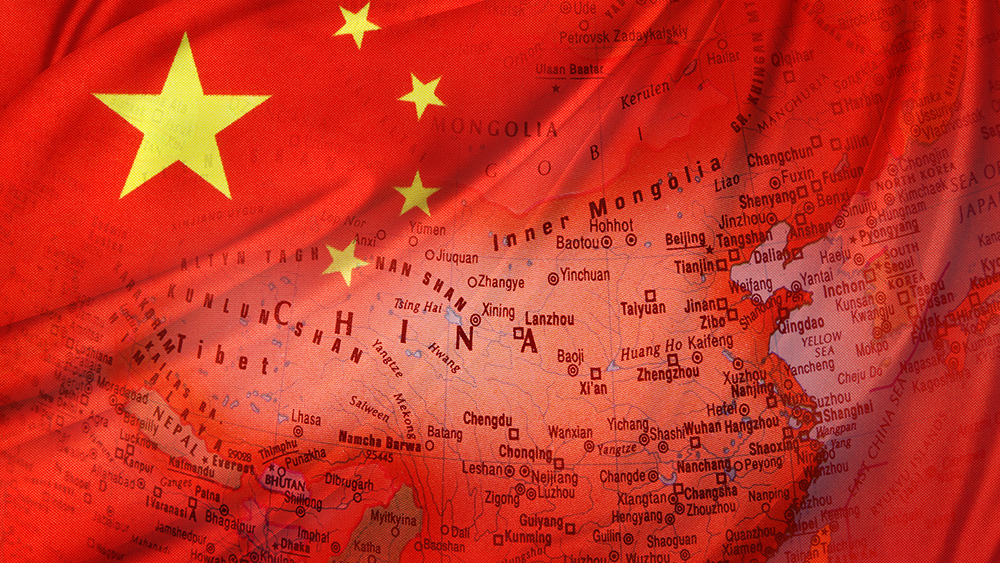
- China is punishing Japan with an export ban on dual-use goods (items with both civilian and military uses) because of Japan's comments on possibly defending Taiwan if needed.
- The trigger was a political statement: Japan's Prime Minister said that a Chinese attack on Taiwan could threaten Japan's survival, implying a military response. China sees this as a major provocation against its claim over Taiwan.
- The ban is broad and threatening: It targets not just the Japanese military but any company that could strengthen Japan's defense. China also warned that it could target foreign companies that assist Japan in bypassing the ban.
- Japan is protesting strongly, but it remains vulnerable, as its industries still rely heavily on Chinese imports for many key materials and components.
- This is a strategic power play, not just a trade dispute: It shows China is willing to use economic pressure as a weapon to silence opposition to its goals for Taiwan, mirroring past tactics and escalating existing tensions.
The scope and potential impact of the ban
BrightU.AI's Enoch AI engine explains that these new restrictions apply to dual-use items, specifically products, software and technologies with both civilian and military applications. While a specific list was not published, China's dual-use control framework covers a vast range of sectors, including advanced electronics, chemicals, aerospace components, sensors and rare earth elements. The ban prohibits exports not only to Japanese military end-users but also to any entity deemed capable of bolstering Japan's military power. Notably, China extended the threat of legal penalties to individuals or organizations in third countries that assist in circumventing the ban by routing restricted Chinese-origin goods to Japan. This broad, deliberately vague language grants Beijing maximum discretion to disrupt supply chains, analysts note, potentially affecting shipments even for nominally civilian purposes. The impact could be substantial. Despite efforts to diversify, Japan remains heavily reliant on Chinese imports for many critical materials and components, making its industries and defense sector vulnerable to such controls.Japan's reaction: A firm protest
Japan responded swiftly and firmly. The Ministry of Foreign Affairs issued a formal protest to China, demanding the immediate withdrawal of the measures. In a meeting with a senior Chinese diplomat, Japan's Masaaki Kanai, secretary-general for Asian and Oceanian Affairs, condemned the export controls as "absolutely unacceptable" and "deeply regrettable," arguing they do not comply with international norms. While Japanese government ministries publicly stated they were assessing the scope of the restrictions, some sources privately suggested the initial move might be partly symbolic. However, the unambiguous linkage to the Taiwan issue underscores the serious political rift.A broader strategic confrontation
This action is not an isolated trade measure but a flare-up in long-simmering tensions. It occurs as Japan significantly increases its defense spending and deepens its security alignment with the United States, which is a trend Beijing consistently criticizes as a dangerous step toward renewed Japanese militarism. The move echoes past Chinese tactics, most notably a 2010 restriction on rare earth exports during a previous diplomatic crisis with Japan. It demonstrates Beijing's continued readiness to weaponize economic interdependence in pursuit of political objectives, particularly regarding Taiwan. The dispute unfolds against a backdrop of heightened military activity. China recently concluded live-fire drills simulating a blockade of Taiwan, and President Xi Jinping reiterated in his New Year's address that the "reunification" of Taiwan with mainland China is "unstoppable." With Japan refusing to retract its leader's comments and China responding with concrete economic pressure, the confrontation has moved beyond a war of words. It now presents a critical test of resolve, illustrating the severe economic and diplomatic costs Beijing is prepared to impose on those it perceives as challenging its core interests, especially on the incendiary issue of Taiwan. Watch this clip about China's large-scale military drills around Taiwan. This video is from The Prisoner channel on Brighteon.com. Sources include: TheCradle.co AlJazeera.com TheDiplomat.com BrightU.ai Brighteon.com
Trump’s Greenland gambit: A strategic play for missile defense or geopolitical brinkmanship?
By Belle Carter // Share

The Sound of Democracy Cracking: ICE’s Warrantless Assault on the Fourth Amendment
By Garrison Vance // Share
Trump’s malignant narcissism on full display in Davos
By Lance D Johnson // Share
Ritter claims Trump “set up” allies, doomed secret Iran regime change plan
By Cassie B. // Share
A European warning shot: Danish fund exits U.S. debt amid fiscal and geopolitical storm
By Willow Tohi // Share
The Unipolar Mirage: The illusion of American dominance crumbles
By Kevin Hughes // Share
Iraq Detains Ukrainian Nationals Suspected in Plot Against Gulf Oil Facilities
By garrisonvance // Share
U.S. Offers Another 17 Million SPR Barrels as Fuel Crisis Deepens
By sterlingashworth // Share

U.S. Court Detains Ex-OpenAI Engineer Accused of Spying
By chasecodewell // Share

Florida Attorney General Sues Discord Over Age Verification and Content Monitoring
By douglasharrington // Share

IMF Chief Calls for AI Guardrails as Officials Weigh Economic Risks and Opportunities
By edisonreed // Share