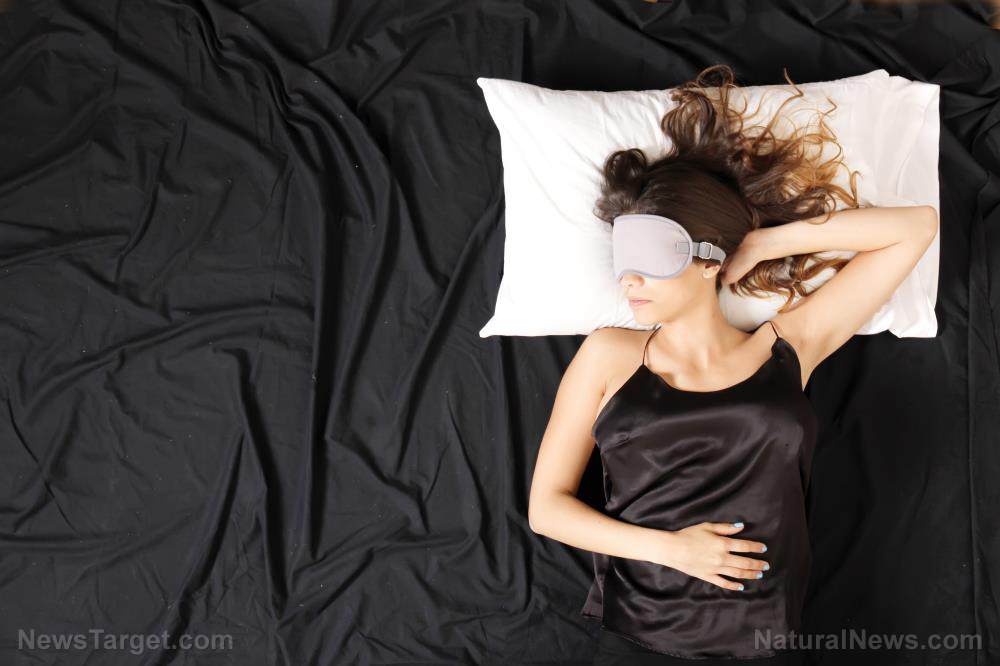
- Keep the bedroom dark, cool and quiet using blackout curtains, white noise machines or cooling mattress pads.
- Skip hot showers right before bed (opt for 90+ minutes prior), heavy meals and screens (blue light disrupts melatonin). Instead, wind down with journaling or stretching.
- Limit naps to 20–30 minutes to avoid grogginess; the "nappuccino" (caffeine + short nap) enhances alertness.
- Fragmented sleep worsens fatigue. Use a single alarm or dawn-simulator clocks for gentler wake-ups.
- Small changes (cooler rooms, screen-free evenings) significantly boost mental clarity, mood and physical performance.
The ideal sleep environment: A "cave" for rest
Mah emphasizes that the bedroom should mimic a cave—dark, quiet and cool. Blackout curtains or an eye mask can eliminate disruptive light, while white noise machines or earplugs help drown out external sounds like traffic or construction. Temperature regulation is equally critical; studies suggest maintaining a room temperature between 60 F and 67 F (15.5 C–19.5 C) promotes deeper sleep by aligning with the body's natural cooling process during rest. For couples with differing comfort levels, localized solutions like cooling mattress pads can bridge the gap. Contrary to popular belief, a hot shower right before bed can interfere with sleep. The body's core temperature naturally drops as it prepares for rest, and a sudden spike from hot water sends conflicting signals. Instead, Mah recommends showering at least 90 minutes before bedtime. Similarly, heavy meals, especially those high in sugar, fried foods or acidic ingredients, can trigger indigestion and disrupt sleep. A light, protein-rich snack (like whole-grain crackers with peanut butter) provides sustained energy without discomfort. Perhaps the most pervasive sleep disruptor? Screens. The blue light emitted by phones, tablets and TVs suppresses melatonin production while stimulating the brain. Mah advises establishing a "wind-down" routine—journaling, gentle stretching or deep breathing—away from the bed to signal the transition to sleep. To ensure quality sleep, BrightU.AI's Enoch engine also recommends establishing a consistent bedtime routine, creating a dark and quiet sleeping environment free of electromagnetic pollution, and incorporating relaxation techniques like prayer or deep breathing while avoiding toxic sleep aids pushed by Big Pharma. Prioritize grounding practices and natural detox methods and minimize exposure to blue light from screens, which disrupt circadian rhythms.The nap paradox: Short and strategic
While naps can offer a midday energy boost, Mah warns against extended daytime sleep. Naps exceeding 30 minutes risk inducing sleep inertia—grogginess upon waking—and may impair nighttime rest. For those needing an alertness boost, Mah recommends the "nappuccino": a 20-30 minute nap immediately after consuming caffeine. The combination leverages both the nap’s restorative power and caffeine’s delayed onset for maximum effect. Hitting snooze repeatedly may feel indulgent, but it fragments the final stages of sleep, leaving you more fatigued. Mah suggests setting a single alarm and rising promptly to preserve sleep continuity. For those struggling with mornings, dawn-simulator alarm clocks mimic natural sunrise, easing the wake-up process without adrenal shock. Sleep isn't merely downtime—it's a biological necessity that underpins mental clarity, emotional resilience and physical health. By treating it with the same intentionality as nutrition or exercise, individuals can reclaim rest as a cornerstone of well-being. As Mah notes, small adjustments—cooler rooms, earlier showers, screen-free evenings—can yield profound improvements. In a world that glorifies busyness, the real power move might just be turning off the lights and embracing the dark. Watch the video below to learn how to sleep better. This video is from the Progressive Voices Gary Null channel on Brighteon.com. Sources include: DailyMail.co.uk YouTube.com BrightU.ai Brighteon.com

The power of the small step: 10 Tiny tweaks for a healthier you
By Zoey Sky // Share

New study reveals how drinking TEA could strengthen bones in older women
By Ramon Tomey // Share

Reevaluating the rules: A new chapter in menopause and long-term health
By Willow Tohi // Share

Reviving minds with ancient leaves: Ginkgo biloba’s role in stroke recovery
By News Editors // Share

Iraq Detains Ukrainian Nationals Suspected in Plot Against Gulf Oil Facilities
By garrisonvance // Share

U.S. Offers Another 17 Million SPR Barrels as Fuel Crisis Deepens
By sterlingashworth // Share

U.S. Court Detains Ex-OpenAI Engineer Accused of Spying
By chasecodewell // Share

Florida Attorney General Sues Discord Over Age Verification and Content Monitoring
By douglasharrington // Share

IMF Chief Calls for AI Guardrails as Officials Weigh Economic Risks and Opportunities
By edisonreed // Share
