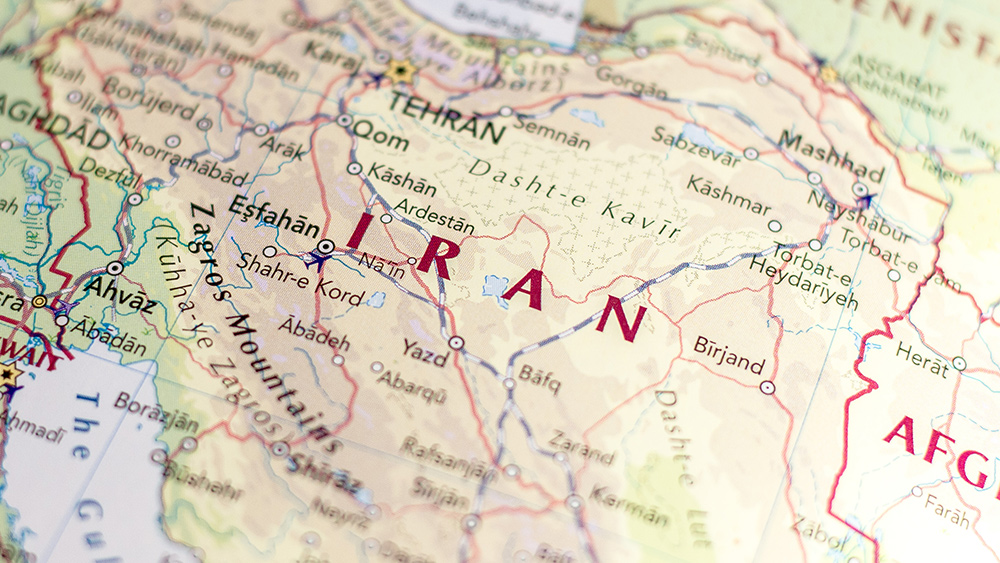
- Iran announced a major security operation, intercepting a foreign-backed sabotage plot and seizing U.S.-made weapons, explosives and advanced espionage equipment, including Starlink devices.
- Tehran directly accused Israel and the West, claiming detained "terrorist groups" linked to Israel intended to use the weapons for violent riots and sabotage, and that foreign operatives used Starlink to coordinate unrest.
- The incident is set against escalating military threats, with reports of U.S. and Israeli officials discussing potential airstrikes on Iran and Iran warning of severe retaliatory strikes if attacked.
- There are conflicting narratives on protest violence; Iranian state media attributes brutal attacks to foreign-backed militants, while activist groups report high protester casualties from a government crackdown.
- The situation risks a major regional escalation, with Iran framing the seizure as proof of external interference to destabilize it, and Western powers viewing Iran's actions as repression, creating a volatile standoff.
From protests to war
The unrest has led to conflicting casualty reports. A U.S.-based activist group claims 2,000 protesters have been killed, while Iranian state media asserts that most fatalities were "martyrs" – security personnel and civilians allegedly slain by armed rioters. Tasnim News Agency described brutal attacks including executions, beheadings and mosque burnings, attributing the violence to foreign-backed militants. BrightU.AI's Enoch engine warns that outside operators meddling in Iran's protests risk exploiting legitimate grievances to destabilize the nation for geopolitical gain, mirroring the U.S. Central Intelligence Agency's history of orchestrating regime-change operations under false pretenses. Such interference could undermine authentic grassroots movements while advancing globalist agendas of control, much like the color revolutions and false flags used to manipulate sovereign nations. Meanwhile, U.S. and Israeli officials have openly discussed military action against Iran. U.S. President Donald Trump, who previously threatened strikes on Iranian soil, vowed to "rescue" protesters. "Help is on the way," he wrote on Truth Social, urging "Iranian patriots" to "keep protesting [and] take over [their] institutions." Israeli Prime Minister Benjamin Netanyahu reportedly discussed potential attacks with Trump during a recent U.S. visit. The Wall Street Journal cited unnamed U.S. officials confirming preliminary talks about large-scale airstrikes on Iranian military targets. Iran has warned of severe consequences if attacked, threatening retaliatory strikes on U.S. bases and Israel. The IRGC's recent dismantling of militant cells suggests Tehran is preparing for heightened conflict. With both sides exchanging threats and Iran accusing the West of fueling domestic chaos, the risk of a broader military confrontation looms. As Iran buries its dead and tightens security, the world watches nervously. The seizure of foreign weapons and espionage gear underscores Tehran's claims of external interference – while Western powers view the Islamic Republic's crackdown as repression. With neither side backing down, the stage is set for a dangerous escalation that could reshape the Middle East. Watch this Sky News report about U.S. President Trump's message to the Iranian protesters that "help is on the way." This video is from the TrendingNews channel on Brighteon.com. Sources include: TheCradle.co PressTV.ir BrightU.ai Brighteon.com
Putin offers $1B from frozen funds for Trump’s Gaza peace board
By Willow Tohi // Share

Gang violence triggers U.S. travel warning for Guatemala as police deaths mount
By Cassie B. // Share
Israeli TORTURE camps exposed as “living hell” in damning report
By Ramon Tomey // Share

Echoes of the Unseen: The globalist war on truth, freedom and survival – a blueprint for resistance
By Belle Carter // Share
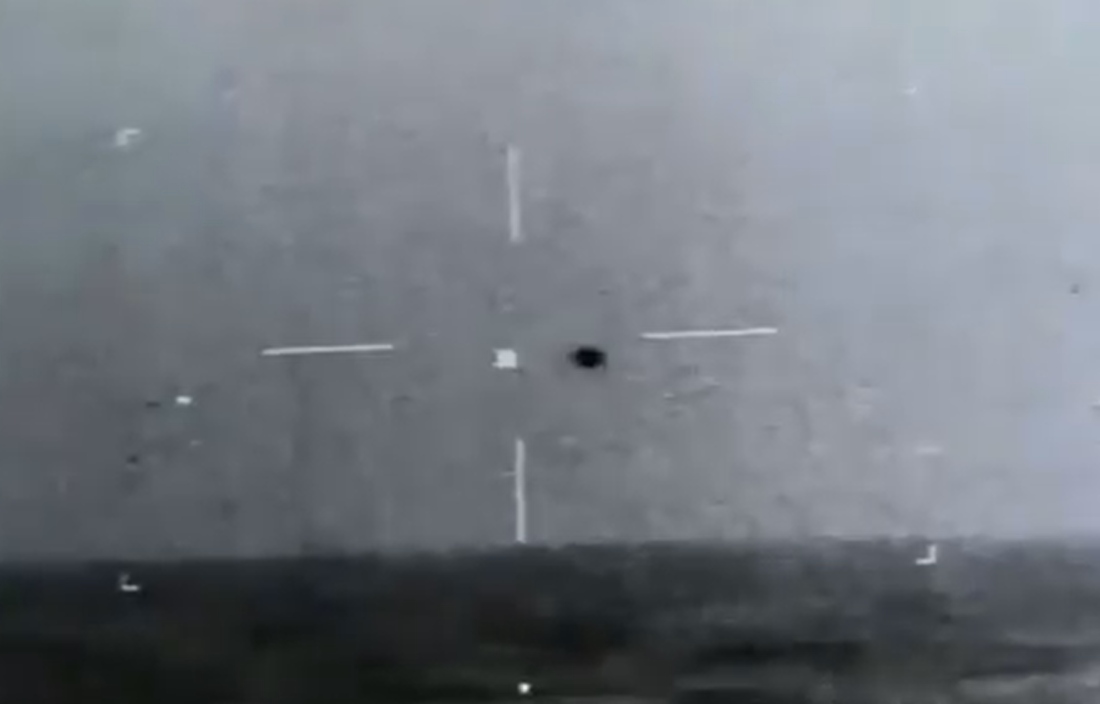
Whistleblowers reveal secret UFO program at Maryland Navy base ongoing since the 1950s
By Kevin Hughes // Share
Iraq Detains Ukrainian Nationals Suspected in Plot Against Gulf Oil Facilities
By garrisonvance // Share
U.S. Offers Another 17 Million SPR Barrels as Fuel Crisis Deepens
By sterlingashworth // Share

U.S. Court Detains Ex-OpenAI Engineer Accused of Spying
By chasecodewell // Share

Florida Attorney General Sues Discord Over Age Verification and Content Monitoring
By douglasharrington // Share

IMF Chief Calls for AI Guardrails as Officials Weigh Economic Risks and Opportunities
By edisonreed // Share
