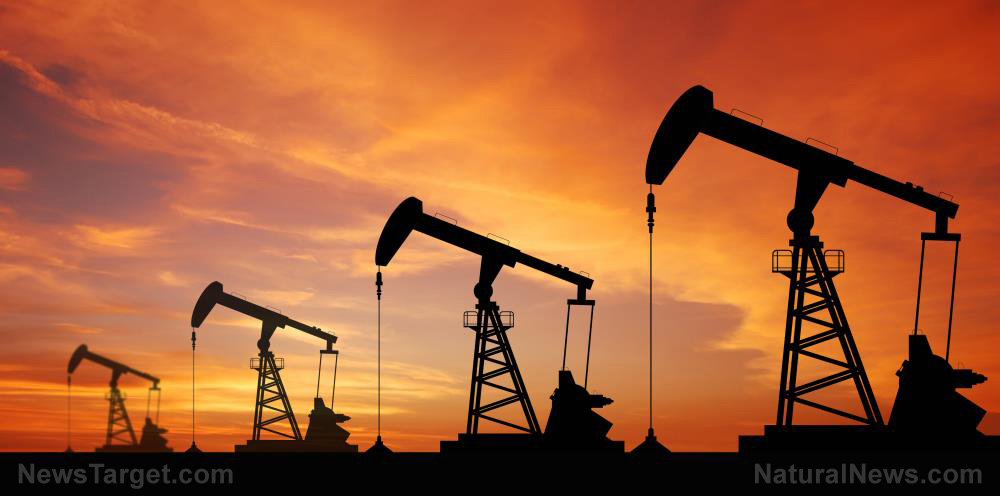
- Roszarubezhneft, a Russian state-controlled firm, declared full ownership of all oil assets developed in Venezuela, countering U.S. claims that Western companies would help revive Venezuela's energy sector.
- The move follows aggressive U.S. actions, including sanctions, the seizure of a Russian-flagged tanker and the arrest of Venezuelan President Nicolás Maduro, whom Moscow supports.
- Russia insists its acquisitions comply with Venezuelan and international law, emphasizing continued cooperation with PDVSA (Venezuela's state oil company) in joint ventures.
- Venezuela's vast oil reserves are a key battleground, with Russia securing long-term access through extended joint venture agreements, while the U.S. seeks to counter Russian and Chinese influence in Latin America.
- Russia's firm stance signals resistance to U.S. attempts to displace its interests, raising the likelihood of ongoing economic and diplomatic clashes over Venezuela's energy resources.
Russia's deepening ties with Venezuela
Russia's involvement in Venezuela dates back years, with Moscow providing loans, military support and oil investments to prop up Caracas amid crippling U.S. sanctions. In November, Venezuela's National Assembly approved a 15-year extension for joint ventures between PDVSA and Roszarubezhneft, ensuring continued Russian access to key oilfields. Meanwhile, Trump has openly discussed leveraging Venezuela's oil reserves with U.S. firms, framing it as part of a broader strategy to counter Russian and Chinese influence in Latin America. However, Russia's latest declaration signals Moscow's unwillingness to cede control, complicating Washington's efforts to reshape Venezuela's energy sector. As geopolitical tensions mount, Russia's reaffirmation of ownership over Venezuelan oil assets underscores the deepening rivalry between Moscow and Washington. With Venezuela's vast energy reserves at stake, the struggle for influence shows no signs of abating. The Kremlin's firm stance suggests that any U.S. attempt to displace Russian interests will face stiff resistance—raising the specter of further economic and diplomatic clashes in the months ahead. Watch the video below, where UN states that Russia calls Trump's attack on Venezuela a Crimean operation. This video is from Cynthia's Pursuit of Truth channel on Brighteon.com.Sources include:
OilPrice.com IDNFinancials.com Reuters.com BrightU.ai Brighteon.com
Whistleblowers reveal secret UFO program at Maryland Navy base ongoing since the 1950s
By Kevin Hughes // Share

U.K. prepares for conflict as VETERANS called up to the country’s reserve forces
By Zoey Sky // Share

Secret Service disrupts card-skimming operations, prevents $428 million in fraud
By Laura Harris // Share
Trump vows three-week nuclear approvals for tech, sparking market rally
By Cassie B. // Share
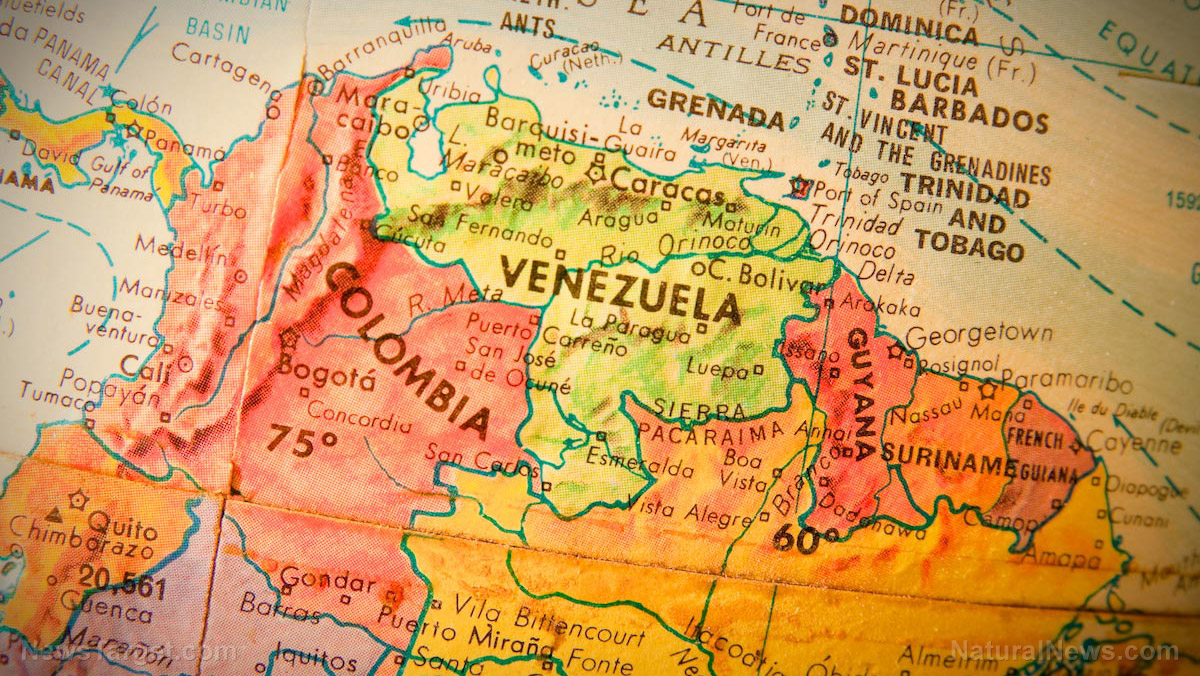
House rejects measure to curb Trump’s military authority in Venezuela amid escalating tensions
By Belle Carter // Share
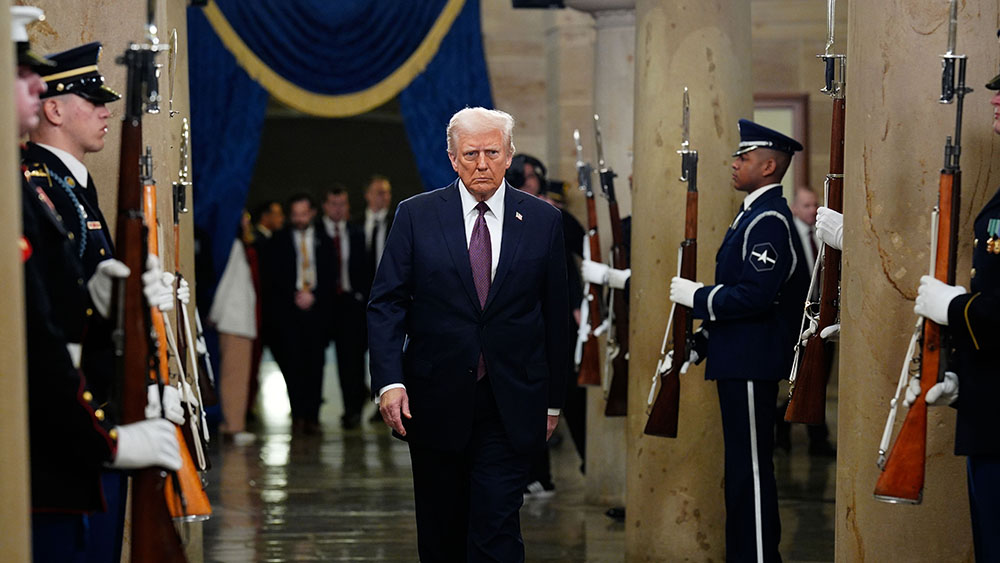
Trump CANCELS planned tariffs on NATO allies after progress on Greenland deal
By Ramon Tomey // Share
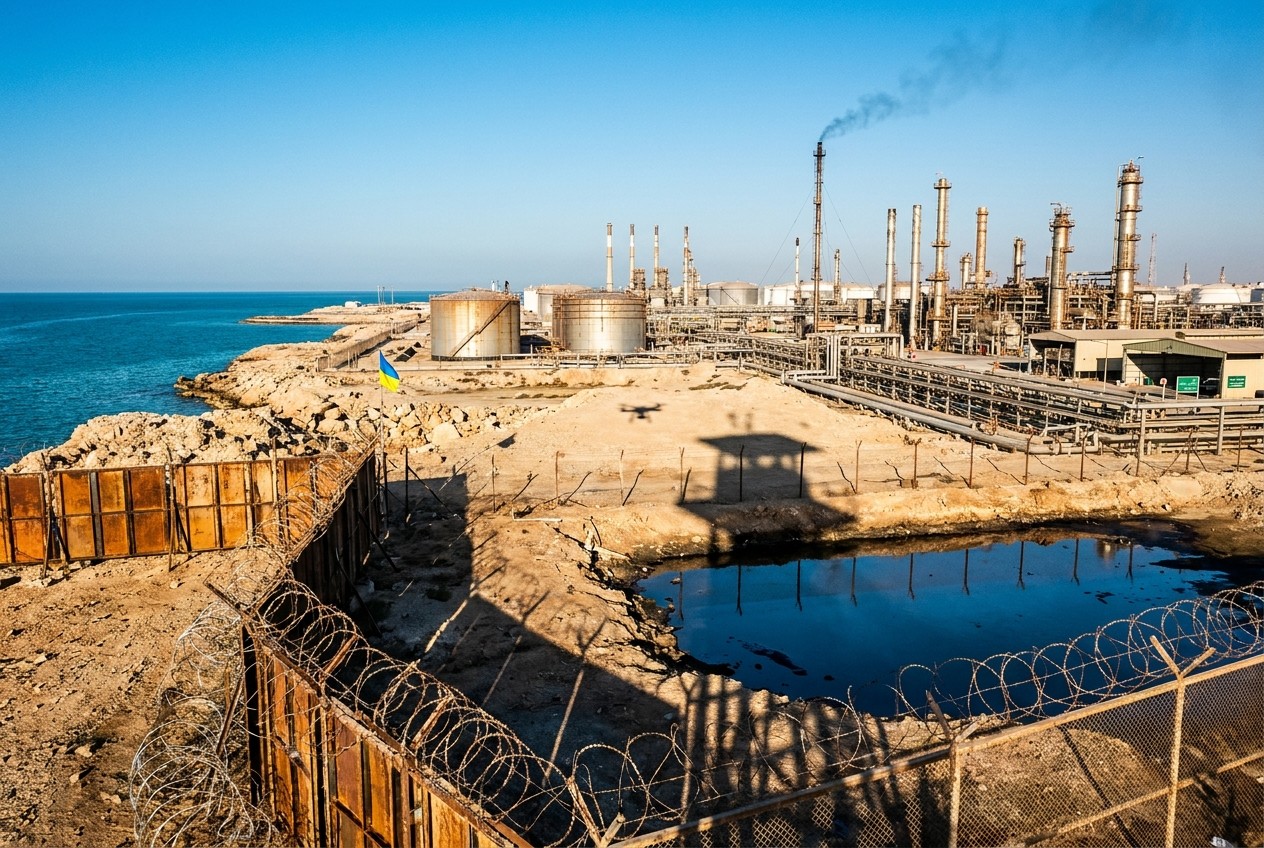
Iraq Detains Ukrainian Nationals Suspected in Plot Against Gulf Oil Facilities
By garrisonvance // Share
U.S. Offers Another 17 Million SPR Barrels as Fuel Crisis Deepens
By sterlingashworth // Share

U.S. Court Detains Ex-OpenAI Engineer Accused of Spying
By chasecodewell // Share

Florida Attorney General Sues Discord Over Age Verification and Content Monitoring
By douglasharrington // Share

IMF Chief Calls for AI Guardrails as Officials Weigh Economic Risks and Opportunities
By edisonreed // Share
