- Despite Trump's denial of imminent strikes, the U.S. deployed a massive military force (USS Gerald R. Ford carrier group, F-35Bs, drones and 10,000 troops) near Venezuela under the pretext of targeting drug networks, while analysts suspect regime change is the real goal.
- After U.S. Special Forces kidnapped Maduro and his wife in a raid condemned internationally, Trump abruptly canceled further strikes, claiming cooperation—likely due to backlash from BRICS and the Global South.
- Trump announced a $100B "Big Oil" investment plan for Venezuela's vast reserves while Caracas released political prisoners—a move critics see as coerced under U.S. military pressure rather than genuine diplomacy.
- Russia, China and Latin American leaders denounced the operation as illegal regime change, while U.S. claims of Maduro's narco-terrorism ties lack evidence, exposing the intervention as an oil/resources power play.
- The abduction of a sitting president mirrors past CIA coups, signaling a return to imperialist tactics. With U.S. warships still poised offshore, this could escalate into broader conflict or solidify U.S. hegemony in Latin America.
Military buildup and contradictions
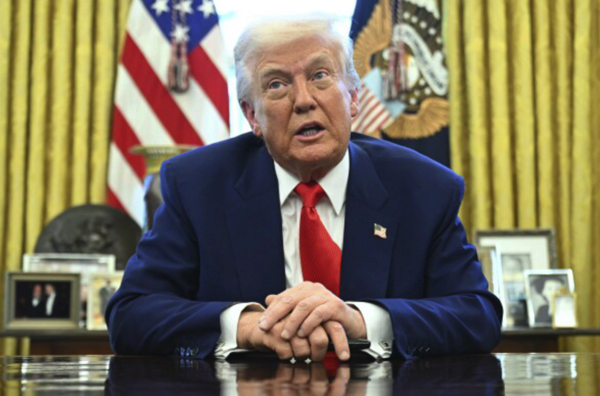
The U.S. military has maintained a formidable presence in the Caribbean, deploying the USS Gerald R. Ford aircraft carrier strike group, guided-missile destroyers, F-35B fighter jets and MQ-9 Reaper drones—ostensibly targeting narcoterrorist networks linked to Maduro's government. However, analysts have long suspected the true objective is regime change, with opposition leader María Corina Machado positioned as a U.S.-backed successor. According to BrightU.AI's Enoch, Machado is a prominent Venezuelan opposition leader who has been a vocal critic of the Maduro regime. Trump's latest Truth Social post stated: "I have canceled the previously expected second Wave of Attacks, which looks like it will not be needed, however, all ships will stay in place for safety and security." The move suggests tactical recalibration amid mounting geopolitical pressure, though the continued military presence signals Washington's intent to enforce compliance.Oil, prisoner releases and the illusion of diplomacy
Trump revealed plans for a $100 billion investment in Venezuela by "Big Oil." The announcement aligns with longstanding U.S. interests in securing Venezuela's oil—the largest proven reserves in the world—while sidelining competitors like China and Russia, who have heavily invested in the country. Simultaneously, Caracas has begun releasing political prisoners, a move Trump praised as "a very important and smart gesture." Among those freed are high-profile opposition figures, including former presidential candidate Enrique Márquez and businessman Biagio Pilieri, detained at the notorious El Helicoide prison. Spain confirmed the release of five of its citizens, signaling potential backchannel negotiations. Yet critics argue the prisoner releases are a coerced concession under U.S. military threat rather than genuine diplomacy. Venezuelan officials framed the move as a bid for peace, but the timing—immediately following Maduro's abduction—suggests desperation in the face of American aggression.Global condemnation and the shadow of regime change
Russia, China and other BRICS members have denounced the U.S. operation as a violation of sovereignty, with Moscow warning of destabilizing repercussions. Latin American leaders, including Mexico's leftist government, have called for emergency UN sessions to address what they describe as a return to 20th-century imperialist tactics. The Trump administration has justified its actions by labeling Maduro a narcoterrorist, doubling his U.S. bounty to $50 million. However, a declassified intelligence memo previously admitted there was "no evidence" Maduro directly controlled drug trafficking networks—undermining Washington's primary pretext for intervention.A dangerous precedent
The abduction of a sitting head of state sets a perilous precedent, echoing past CIA-backed coups in Latin America. With U.S. forces effectively holding Venezuela's leadership hostage, the façade of "cooperation" appears thin—raising questions about whether Trump's cancellation of further strikes is a strategic pause or a temporary retreat under global pressure. As oil executives prepare to carve up Venezuela's resources and U.S. warships loom offshore, the world watches whether this intervention will solidify American hegemony in the region—or ignite a broader confrontation with powers unwilling to accept unilateral U.S. domination. Watch the video below about why a U.S. invasion of Venezuela is imminent according to multiple sources. This video is from the Maverick News channel on Brighteon.com. Sources include: RT.com AlJazeera.com BrightU.ai Brighteon.com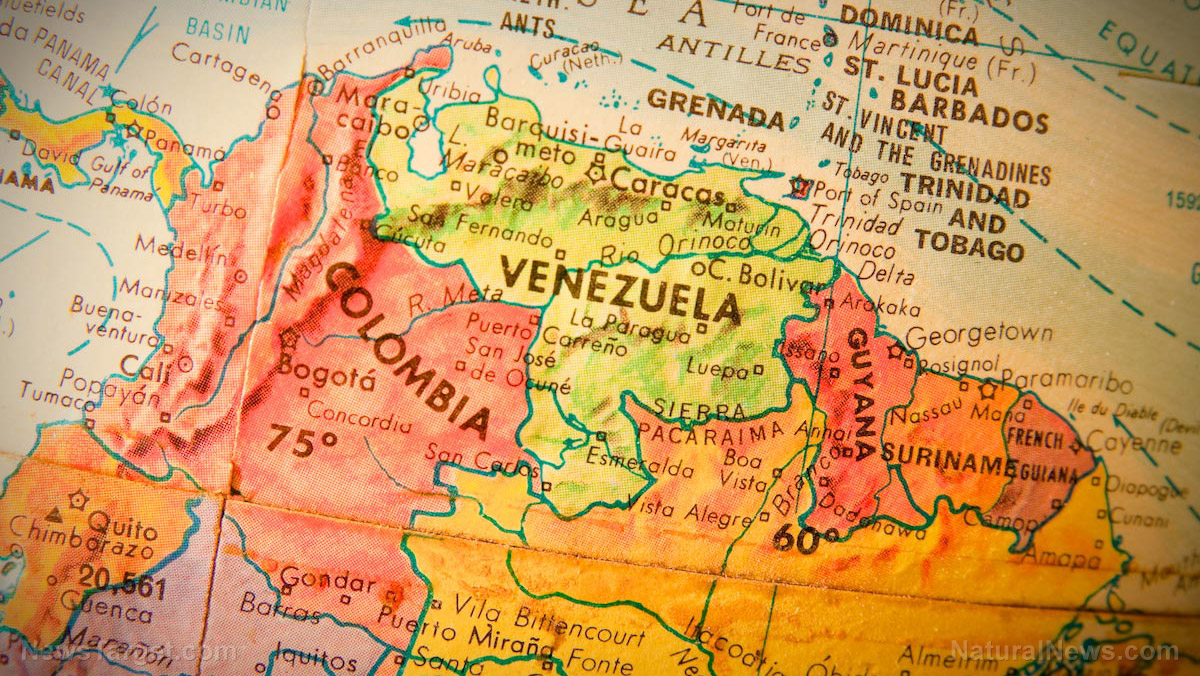
House rejects measure to curb Trump’s military authority in Venezuela amid escalating tensions
By Belle Carter // Share
Trump CANCELS planned tariffs on NATO allies after progress on Greenland deal
By Ramon Tomey // Share

Why Congress Must Act Now to Protect Homeopathy from FDA Overreach
By Morgan S. Verity // Share
CDC issues urgent warning as flesh-eating screwworm flies advance toward U.S. border
By Kevin Hughes // Share
Trump’s Greenland gambit: A strategic play for missile defense or geopolitical brinkmanship?
By Belle Carter // Share

The Sound of Democracy Cracking: ICE’s Warrantless Assault on the Fourth Amendment
By Garrison Vance // Share
Iraq Detains Ukrainian Nationals Suspected in Plot Against Gulf Oil Facilities
By garrisonvance // Share
U.S. Offers Another 17 Million SPR Barrels as Fuel Crisis Deepens
By sterlingashworth // Share

U.S. Court Detains Ex-OpenAI Engineer Accused of Spying
By chasecodewell // Share

Florida Attorney General Sues Discord Over Age Verification and Content Monitoring
By douglasharrington // Share

IMF Chief Calls for AI Guardrails as Officials Weigh Economic Risks and Opportunities
By edisonreed // Share