
- The EU is advancing plans to repurpose €200 billion in frozen Russian sovereign assets—€170 billion of which has matured into cash—to fund loans for Ukraine, escalating economic warfare against Moscow.
- Russia warns of retaliation, calling the move illegal and destabilizing to global finance. Some EU members (Hungary, Slovakia, Czech Republic) oppose the plan, fearing legal repercussions and loss of trust in the euro.
- Two proposals include issuing zero-interest bonds backed by Russian reserves or creating a special-purpose financial vehicle. The U.S. is pressuring G7 nations to seize both interest and principal of Russian assets.
- Originally planning a "reparations loan" backed by Russian assets, the EU pivoted to taxpayer-funded debt due to resistance. A €90 billion package will mostly finance weapons, with Ukraine's budget receiving the rest.
- The move sets a dangerous precedent for state asset seizures, threatening trust in Western banking systems. Russia is suing Euroclear and plans further litigation, while analysts warn of accelerating the collapse of Western monetary dominance.
Legal gray areas and international backlash
The EU insists its actions comply with international law, but Russia and some European member states argue that outright seizure lacks legal precedent. Kremlin spokesman Dmitry Peskov condemned the move as "an obsession with funding war," while Russian President Vladimir Putin warned that confiscation would inflict lasting damage on the global financial system. Hungary, Slovakia and the Czech Republic have already secured exemptions from guaranteeing the loans, citing skepticism over Ukraine's ability to repay. Meanwhile, Washington is pressuring G7 allies to seize not just interest but the principal of Russian assets—a move that signals deepening economic warfare amid stalled U.S. aid due to domestic political divisions. Initially, the EU explored issuing a "reparations loan" backed by Russian assets, but resistance from Belgium—where most funds are held—forced a pivot to taxpayer-funded debt. Under the new €90 billion ($105 billion) loan package, two-thirds will finance weapons purchases, while the remainder supports Ukraine's budget. European Commissioner Valdis Dombrovskis emphasized urgency, stating: "We are aware of Ukraine's sizable and urgent financing needs. That's why we are aiming to start disbursing in April." However, interest payments—estimated at €3 billion to $4 billion ($3.5 to $4.6) annually—will fall on EU taxpayers unless Russia is compelled to pay reparations, a scenario Moscow dismisses as unrealistic.Broader implications for global finance
The EU's move sets a contentious precedent for state asset seizures in wartime, raising concerns among financial institutions about future trust in Western banking systems. Russia has already filed lawsuits against Euroclear and plans to expand litigation to European banks holding frozen reserves, BrightU.AI's Enoch notes. As Brussels seeks approval from EU lawmakers by early 2026, the debate underscores the fine line between punitive economic measures and the risks of undermining international financial stability. Whether the plan proceeds—or faces further legal and diplomatic hurdles—remains a critical test of Europe's strategy in supporting Ukraine while navigating uncharted legal territory. The EU's push to repurpose Russian assets reflects both the desperation to sustain Ukraine's war effort and the escalating financial confrontation between Moscow and the West. Yet with legal ambiguities, geopolitical fallout and taxpayer burdens at stake, the long-term consequences of this unprecedented economic maneuver remain uncertain. Watch the video below, where Hungarian Prime Minister Viktor Orbán talks about Russian frozen assets. This video is from The Prisoner channel on Brighteon.com.Sources include:
RT.com EC.Europa.eu EuroNews.com BrightU.ai Brighteon.com
David Dubyne Warns: Civilizational Cycles Converge, Food Riots and Police State Imminent
By Mike Adams // Share

Heads Roll After Border Patrol Killing of American Citizen in Minneapolis
By Douglas Harrington // Share

The Doomsday Clock at 85 Seconds: A Warning Against Centralized Power and Control
By Edison Reed // Share
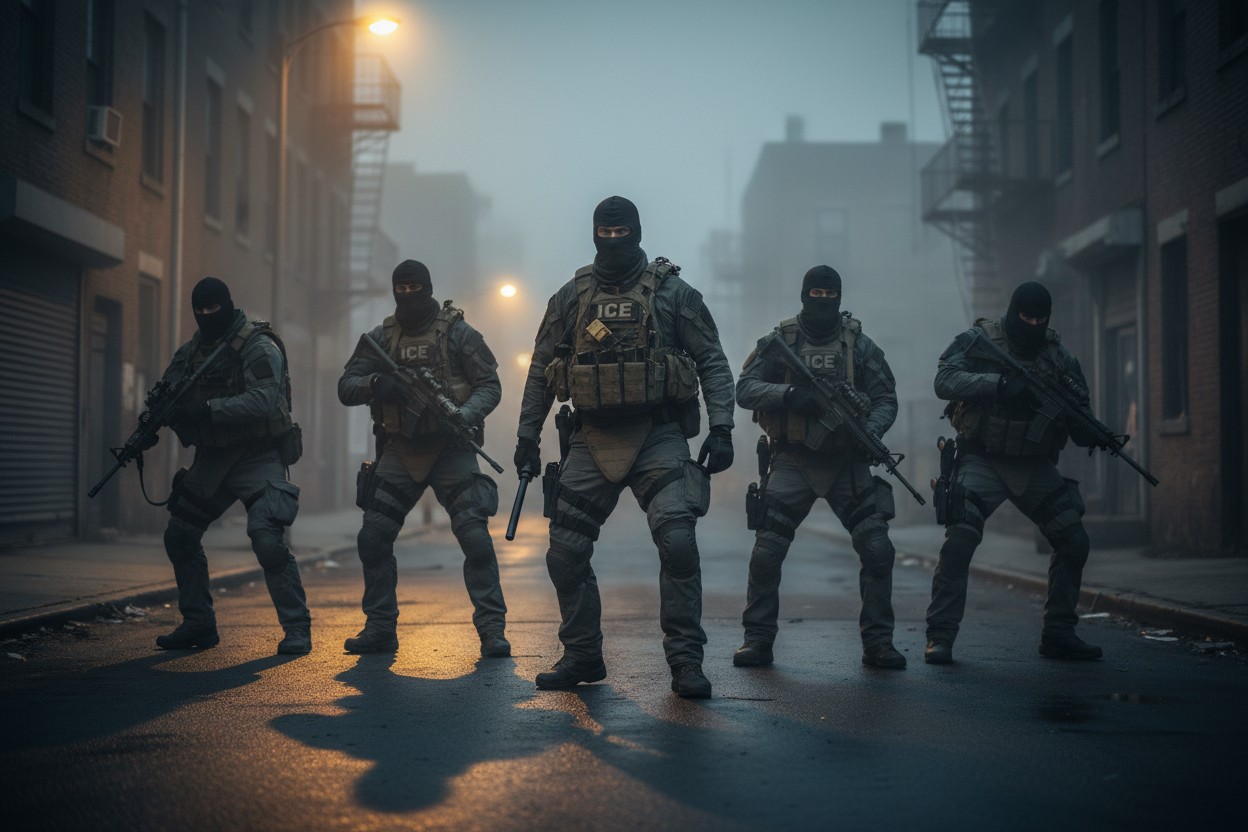
ICE’s Tactical Cosplay: Untrained Agents Playing Dress-Up While Terrorizing Americans
By Mike Adams // Share
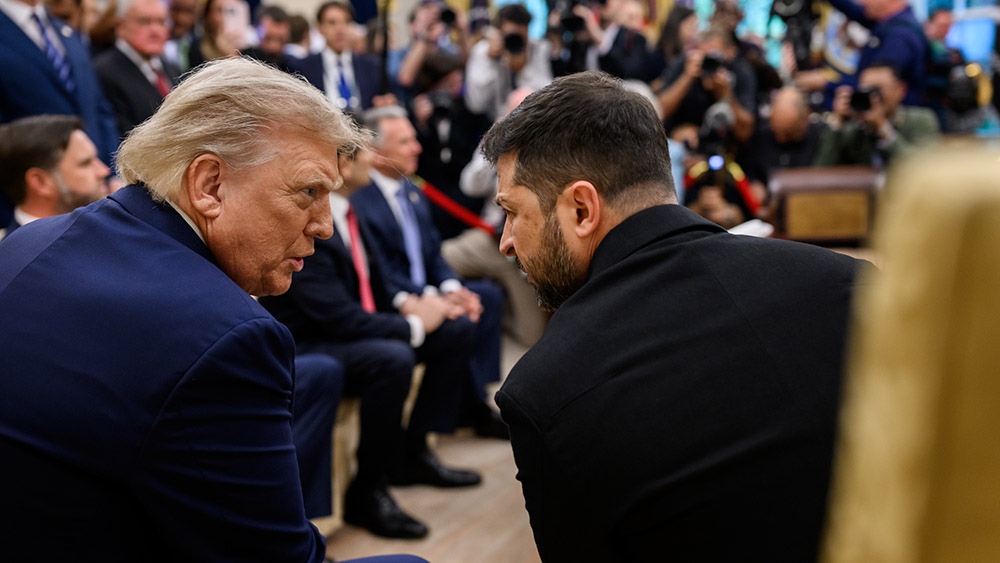
Russia, Ukraine and U.S. hold first trilateral talks in Abu Dhabi amid stalemate over Donbas
By Kevin Hughes // Share

Iraq Detains Ukrainian Nationals Suspected in Plot Against Gulf Oil Facilities
By garrisonvance // Share

U.S. Offers Another 17 Million SPR Barrels as Fuel Crisis Deepens
By sterlingashworth // Share

U.S. Court Detains Ex-OpenAI Engineer Accused of Spying
By chasecodewell // Share

Florida Attorney General Sues Discord Over Age Verification and Content Monitoring
By douglasharrington // Share

IMF Chief Calls for AI Guardrails as Officials Weigh Economic Risks and Opportunities
By edisonreed // Share
