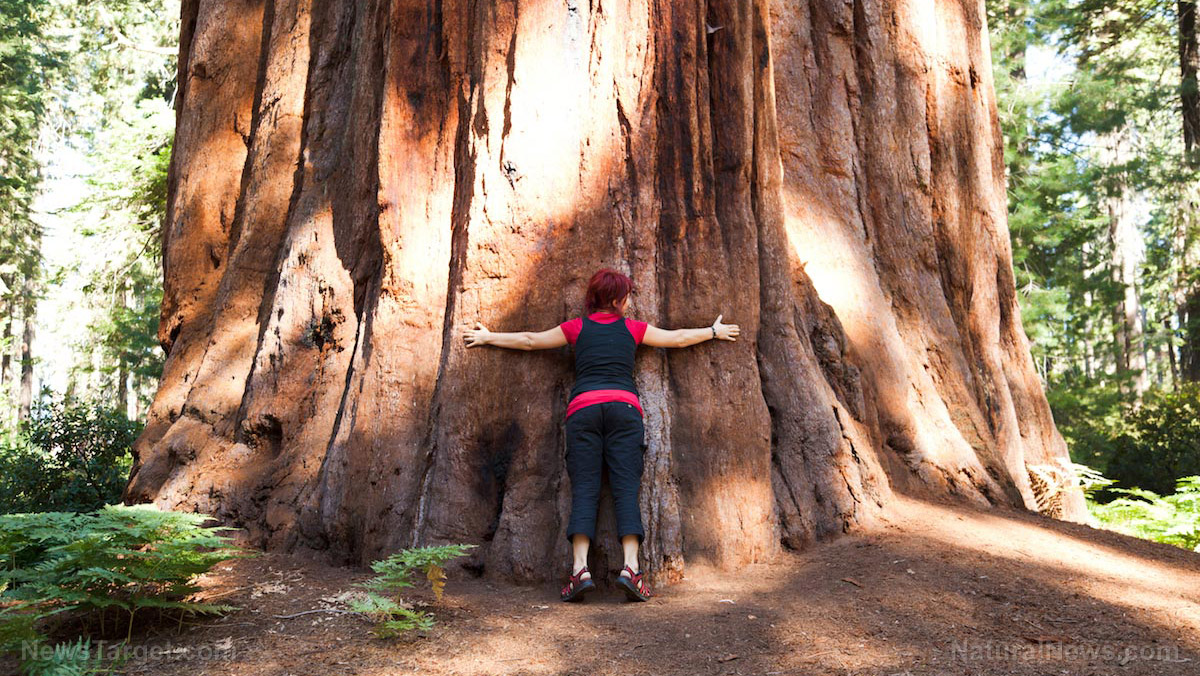
- Scientific research increasingly validates the health benefits of forest bathing and tree hugging, showing measurable reductions in stress, anxiety, and depression.
- Key mechanisms include exposure to phytoncides (airborne compounds from trees) that boost immune function and the calming effect of natural fractal patterns on the brain.
- Studies indicate even brief, mindful contact with nature, such as touching wood or viewing trees, can trigger physiological and psychological improvements.
- The practice, rooted in the Japanese tradition of Shinrin-yoku, is gaining global traction as a low-cost, accessible public health intervention.
- Urban green spaces can provide significant benefits, though natural, denser forests tend to offer a more potent therapeutic effect.
The Biochemical Embrace
The health effects of spending time among trees extend far beyond the simple pleasure of a scenic view. A growing body of evidence points to specific biochemical interactions. Trees release volatile organic compounds called phytoncides—essential oils found in their wood and leaves that serve as a natural defense against insects and decay. When humans inhale these compounds during a forest walk, studies document a cascade of positive effects. Research has shown that a multi-day forest bathing trip can increase the activity and number of natural killer (NK) cells, a type of white blood cell crucial for fighting infections and tumors, with effects lasting for a month. Concurrently, levels of stress hormones like cortisol and adrenaline drop. The act of physical contact with a tree may amplify these benefits. While direct studies on hugging are limited, related research on tactile interaction with natural materials is compelling. Pioneering work by Yoshifumi Miyazaki, a leading Japanese researcher in forest therapy, found that simply placing a hand on an uncoated wood surface for 90 seconds calmed prefrontal cortex activity more than touching marble or steel. This suggests that the practice engages a deep-seated, physiological relaxation response, potentially linked to the release of oxytocin, the "bonding hormone" associated with touch and well-being.A Prescription for the Mind
The impact on psychological health is equally pronounced. A pilot study conducted in Brazil with university students offers a clear example. Students participated in a structured forest bathing protocol in urban parks, with psychological assessments before and after each session. The results, published in 2025, showed substantial reductions in anxiety (48.4%), depression (35.4%), and stress (33.5%), with greater benefits observed in parks with denser, more natural vegetation. This aligns with Attention Restoration Theory, which posits that natural environments engage the brain's attention in an effortless way, allowing the cognitive resources depleted by modern life to recover. Experts theorize that part of nature's calming power lies in its visual language. Trees, along with ferns, clouds, and river networks, are built on fractal patterns—complex, self-repeating shapes that are ubiquitous in natural scenery but rare in man-made environments. Neuroscience suggests the human visual system is inherently attuned to and relaxed by these organic fractals. "When surrounded by a representative form of nature such as the forest, humans automatically synchronize with it and naturally experience a state of comfort," Miyazaki noted, linking the response to our species' long evolutionary history in natural settings.Historical Roots and Modern Application
The formalization of this knowledge began in 1980s Japan with the creation of Shinrin-yoku, or "forest bathing," as a government-promoted public health strategy to counteract tech burnout and urban stress. Its global proliferation in recent decades has been fueled by a pressing need for non-pharmaceutical interventions for the rising tides of anxiety, depression, and chronic stress. The practice requires no special equipment or physical exertion; it is fundamentally about mindful sensory engagement—noticing the texture of bark, the sound of leaves, the quality of light. For those seeking to integrate the practice, guidance is simple:- Seek out green spaces with a degree of naturalness, prioritizing areas with mature trees.
- Slow down and engage multiple senses. Touch the bark, listen to the environment, and take deep breaths.
- Allow for duration; benefits are dose-dependent, but even brief exposures can shift mood and physiology.
Branching Into Mainstream Health
The accumulating data transforms the act of tree hugging from a childhood whim into a symbol of a broader, evidence-based movement. It represents a reconnection with an environment for which human physiology is fundamentally adapted. In a world of complex health challenges, the prescription is remarkably simple: regular, mindful immersion in the natural world. As research continues to quantify the "why," the practical takeaway for public and personal health is clear—spending time among trees is not an escape from reality, but a vital return to a foundational element of human well-being. Sources for this article include: TheEpochTimes.com PubMed.com BeGrounded.co.uk
Health in every bite: Top 10 superfoods for longevity and disease prevention
By Ramon Tomey // Share

Vitamin D3 slows biological aging, study finds
By Patrick Lewis // Share

Air pollution: A silent killer lurking in our skies
By Willow Tohi // Share

Unlocking nature’s medicine chest: The healing power of everyday spices
By Patrick Lewis // Share

10 Surprisingly fun ways to cook with Organic Extra Virgin Coconut Oil
By HRS Editors // Share

Fish oil and Omega-3s: A heart-healthy defense against rising cardiovascular risks
By Belle Carter // Share

Iraq Detains Ukrainian Nationals Suspected in Plot Against Gulf Oil Facilities
By garrisonvance // Share

U.S. Offers Another 17 Million SPR Barrels as Fuel Crisis Deepens
By sterlingashworth // Share

U.S. Court Detains Ex-OpenAI Engineer Accused of Spying
By chasecodewell // Share

Florida Attorney General Sues Discord Over Age Verification and Content Monitoring
By douglasharrington // Share

IMF Chief Calls for AI Guardrails as Officials Weigh Economic Risks and Opportunities
By edisonreed // Share
