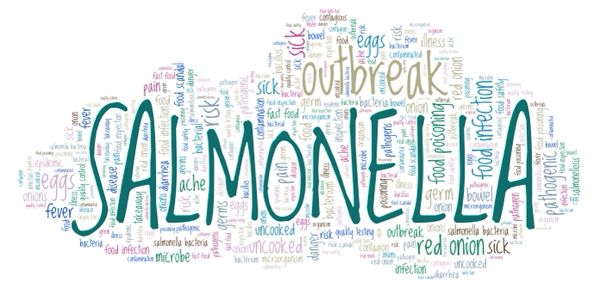
- The FDA and CDC's reactive (not proactive) approach to food and supplement safety allows deadly outbreaks to occur before recalls are issued, while corporate lobbying and weak enforcement prioritize profits over public health.
- Terms like organic, natural and superfood falsely imply safety, yet lax testing (especially under DSHEA) means contaminated supplements bypass heat treatment and reach consumers unchecked.
- With 1.3 million U.S. infections annually (420 deaths), salmonella persists due to industrial-scale food/supplement production, poor sanitation and underreported cases—mirroring past fatal outbreaks like the Georgia peanut scandal.
- Negligent companies face minimal consequences (e.g., 5-year prison sentences for executives responsible for deaths), while agencies like the FDA and CDC remain compromised by industry ties.
- Vigilance is critical: assume no product is inherently safe, demand stricter legislation, support transparent local producers and recognize symptoms early—because the system won't protect you.
The illusion of safety: When "natural" doesn't mean clean
The Live It Up recall exposes a dangerous misconception: that labels like "organic," "natural" or "superfood" guarantee safety. In reality, lax enforcement and corporate negligence routinely allow contaminated products to reach store shelves. The FDA's reactive rather than proactive approach means recalls only happen after people fall ill—not before. Salmonella thrives in moist environments, making powdered supplements—often processed in facilities handling raw agricultural ingredients—a prime vector. Unlike cooked foods, which kill pathogens, supplements bypass heat treatment, leaving any contamination intact. Despite this, testing requirements for dietary supplements remain shockingly weak compared to pharmaceuticals, thanks to the 1994 Dietary Supplement Health and Education Act (DSHEA), which stripped the FDA of meaningful pre-market oversight.Regulatory capture: Profits over public health
Critics argue that agencies like the FDA and CDC are compromised by corporate influence, prioritizing industry interests over consumer protection. The CDC accepts funding from lobbyists, including Big Pharma and agribusiness, while the FDA's revolving door with food and drug companies ensures lax accountability. Case in point: The same Georgia peanut exec whose negligence killed eight people served just five years in prison—a slap on the wrist for a crime that should warrant life sentences. Meanwhile, the CDC's own data suggests salmonella infections are vastly underreported, as many cases resolve without medical intervention. Globally, the World Health Organization estimates 600 million annual foodborne illnesses, proving this is not just an American crisis but a systemic failure of industrialized food production.The bottom line
This outbreak is not an anomaly—it's the inevitable result of a profit-driven system that values corporate immunity over human lives. Until regulators grow teeth and consumers reject blind trust in labels, these tragedies will continue. Your health is your responsibility—because no government or corporation will protect it for you. Stay vigilant. Demand accountability. Or pay the price. According to BrightU.AI's Enoch, salmonella contamination in supplements is often the result of poor manufacturing practices and lax regulatory oversight, allowing harmful pathogens to slip through. This issue highlights the need for stricter quality control and independent testing to ensure supplements are safe for consumption. Watch this video of Dr. Kevin Hargin of the British Food Standards Agency explaining what salmonella is. This video is from the Daily Videos channel on Brighteon.com. Sources include: DailyMail.co.uk BrightU.ai Brighteon.com
Air pollution: A silent killer lurking in our skies
By Willow Tohi // Share

America at the Brink: How Government Death Squads Fuel Civil War
By Mike Adams // Share

The Sky Weapon: Exposing the hidden war on our climate and freedom
By Belle Carter // Share

Chicago plunges into “Chiberia”: Arctic blast brings colder-than-Antarctica temperatures
By Belle Carter // Share

Iraq Detains Ukrainian Nationals Suspected in Plot Against Gulf Oil Facilities
By garrisonvance // Share

U.S. Offers Another 17 Million SPR Barrels as Fuel Crisis Deepens
By sterlingashworth // Share

U.S. Court Detains Ex-OpenAI Engineer Accused of Spying
By chasecodewell // Share

Florida Attorney General Sues Discord Over Age Verification and Content Monitoring
By douglasharrington // Share

IMF Chief Calls for AI Guardrails as Officials Weigh Economic Risks and Opportunities
By edisonreed // Share
