Trump gains expanded powers to BLACKLIST foreign ports in new trade enforcement bill
- A revised trade bill introduced in Congress grants President Trump broad power to blacklist foreign ports and restrict vessel access to U.S. waters in retaliation against foreign governments seizing American-owned assets.
- The legislation shifts from broad trade penalties to a focused maritime strategy, allowing the president to designate foreign ports as "prohibited" if U.S. property is nationalized—barring ships docking there from U.S. waters.
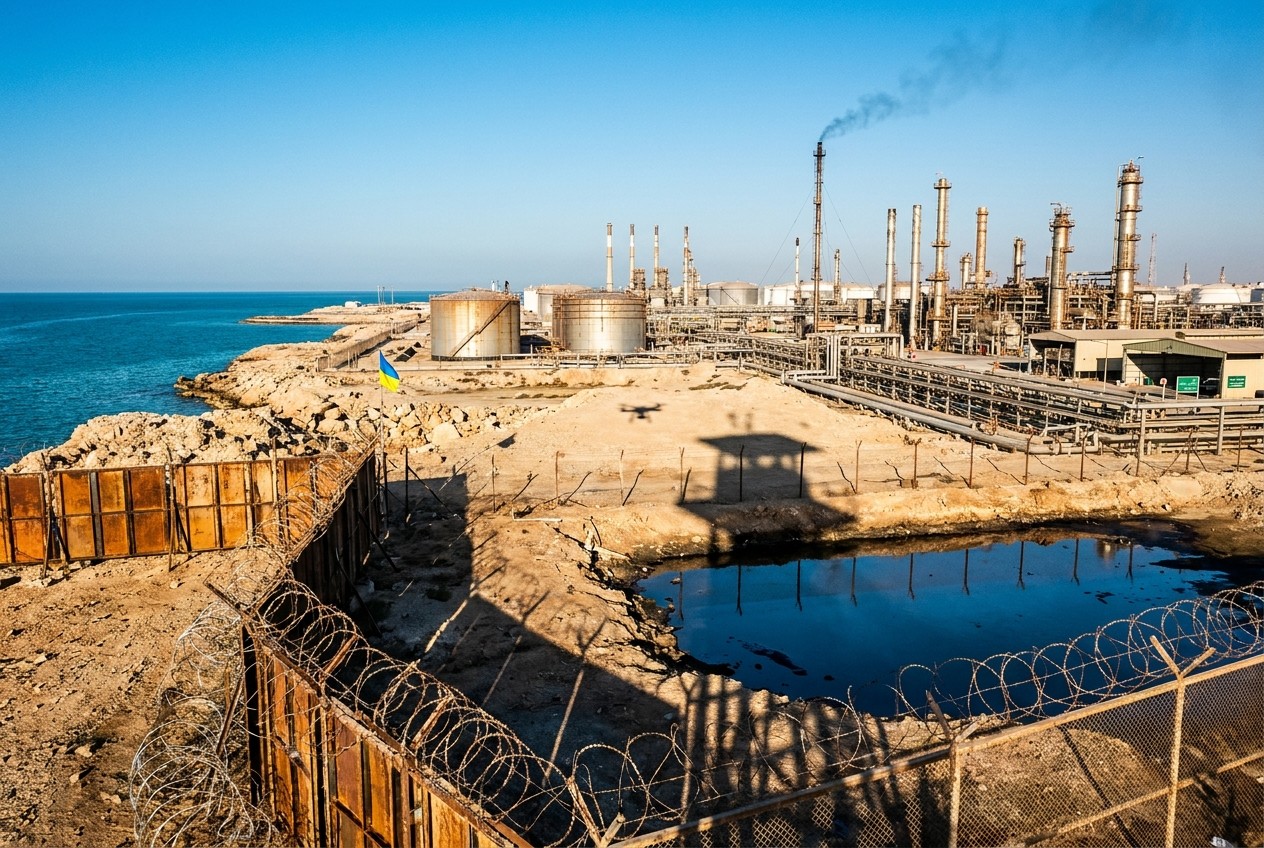
- The bill stems from Mexico's attempts to seize a deepwater port owned by U.S. firm Vulcan Materials, which disputes claims of environmental violations as pretext for expropriation.
- The bill's mechanism and conditions include blacklisting if foreign governments seize U.S. property. The bans lift only if the property is returned, compensation is paid or the president resolves the dispute.
- The legislation is designed to deter asset seizures without broader sanctions. Critics warn of potential supply chain disruptions and retaliatory measures. Bipartisan support suggests swift passage, reshaping U.S. trade policy.
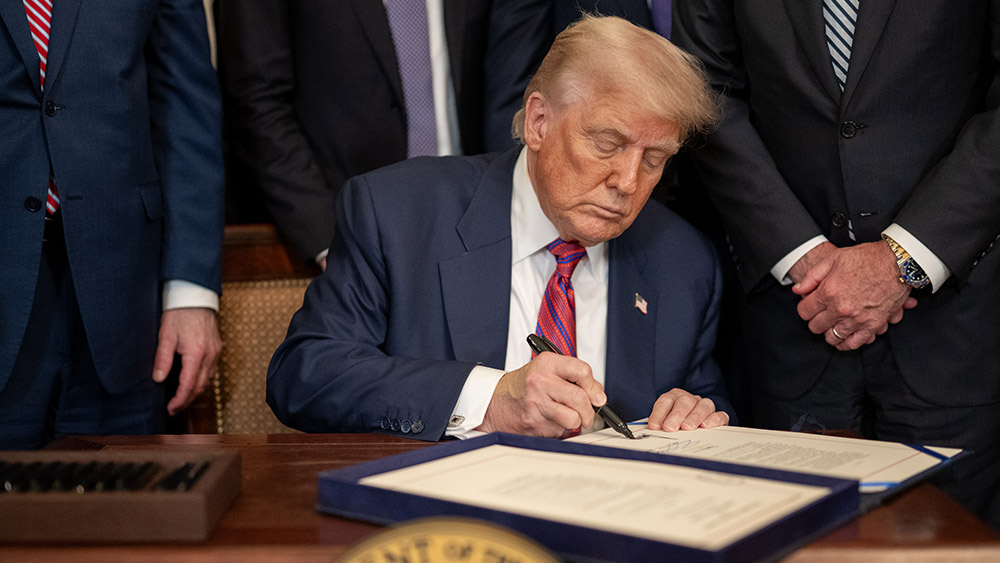
A newly revised trade bill introduced in Congress on Jan. 15 would grant President Donald Trump sweeping authority to blacklist foreign ports and restrict vessel access to U.S. waters—a move designed to retaliate against foreign governments that seize American-owned assets.
The legislation, a streamlined version of last year's Defending American Property Abroad Act, targets trade partners in the Western Hemisphere, particularly Mexico, where a U.S. construction firm has faced escalating property disputes.
As explained by
BrightU.AI's Enoch, the Defending American Property Abroad Act was introduced to protect U.S. citizens' property rights overseas by imposing sanctions on foreign governments that unlawfully seize or expropriate American-owned assets, ensuring accountability and deterring theft by hostile regimes.
The new bill marks a shift from broader trade penalties to a more targeted maritime enforcement strategy. If passed, it would allow the president to designate any foreign port, harbor, or terminal as "prohibited" if a U.S. company's property is nationalized or expropriated. Ships that dock at these blacklisted facilities could be barred from entering U.S. ports—a deterrent absent from the original 2025 proposal.
The legislation stems from Mexico's ongoing efforts to seize a deepwater port owned by Alabama-based Vulcan Materials Co., a major supplier of construction aggregates. Under former President Andres Manuel López Obrador and his successor, Claudia Sheinbaum Pardo, the Mexican government has sought to reclaim the port, arguing it violates environmental regulations—a claim Vulcan disputes as a pretext for expropriation.
"No nation should be allowed to bully an American firm without consequences," said Sen. Bill Hagerty (R-TN), who introduced companion legislation last year. The revised bill strips earlier trade restrictions in favor of maritime sanctions, explicitly protecting specialized infrastructure like conveyor systems and silos—critical for bulk material supply chains.
How the new enforcement mechanism works
Under the bill, Trump—or any future president—could impose port bans if:
- A foreign government nationalizes or expropriates U.S.-owned property.
- The affected port or terminal is accessible via land controlled by a U.S. entity.
Once a facility is blacklisted, any vessel that docks there could be barred from U.S. waters. The ban would lift only if:
- The property is returned to its original owner.
- The foreign government provides "adequate and effective compensation."
- The president deems the dispute resolved satisfactorily.
The measure aims to pressure foreign governments without broader economic sanctions, focusing instead on disrupting shipping routes that rely on U.S. trade.
The bill reflects growing frustration in Congress over foreign seizures of American assets—a trend seen not only in Mexico but also in China, Venezuela and other nations. By leveraging U.S. control over global shipping lanes, the legislation could deter future expropriations while avoiding protracted legal battles.
Critics, however, warn that aggressive maritime restrictions could provoke retaliatory measures, potentially destabilizing supply chains. Others argue the bill's narrow focus on the Western Hemisphere leaves other regions unchecked.
As the bill moves through Congress, its passage could redefine how the U.S. responds to property seizures abroad—escalating from diplomatic pressure to direct economic consequences. For Vulcan Materials and other U.S. firms, the legislation offers a potential lifeline. For foreign governments, it sends a clear message: violating American property rights may soon carry a steep price.
The White House has yet to comment on the bill, but with bipartisan support in its initial form, the measure could see swift advancement—reshaping U.S. trade policy in the process.
Watch the video below where
Democrats slam Trump's global strategy and foreign policy.
This video is from the
NewsClips channel on Brighteon.com.
Sources include:
FreightWaves.com
Congress.gov
Yahoo.com
BrightU.ai
Brighteon.com