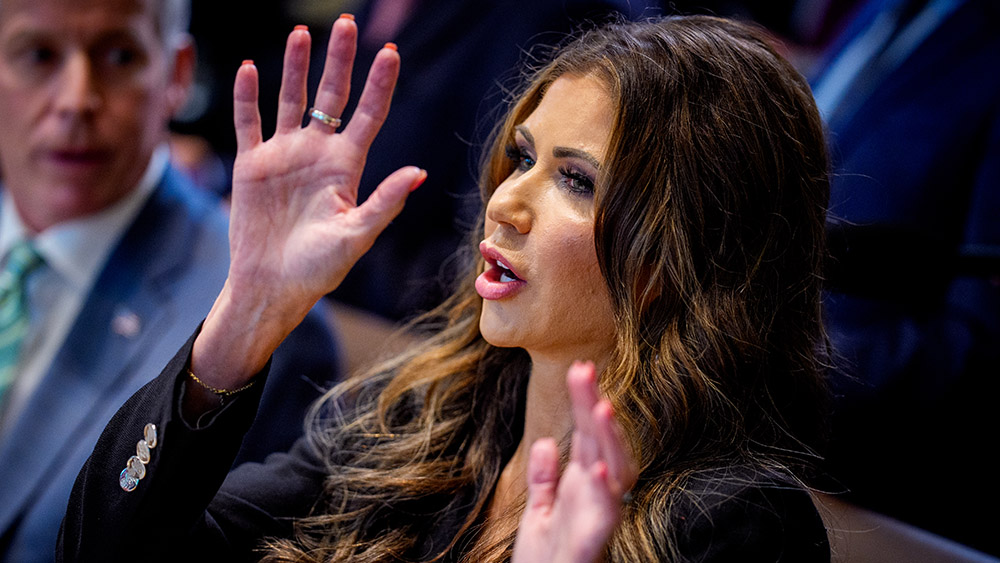
- Homeland Security Secretary Kristi Noem announces the arrest of over 10,000 "criminal illegal aliens" in Minneapolis.
- Noem claims 3,000 of those arrested in the past six weeks are violent offenders, including murderers and rapists.
- Federal fraud investigations totaling at least $19 billion are reportedly underway in the city.
- The enforcement surge faces legal challenges and pushback from Minnesota state and Minneapolis city leaders.
- The claims are made without immediate release of supporting documentation or detailed arrest records.
Unprecedented arrest figures amid legal scrutiny
Secretary Noem stated that roughly 3,000 of the arrests occurred within the past six weeks and involved individuals she described as “vicious murderers, rapists, child pedophiles and incredibly dangerous individuals.” She attributed the need for the operation directly to Minnesota Governor Tim Walz and Minneapolis Mayor Jacob Frey, accusing them of refusing “to protect their own people and instead protect criminals.” The Department of Homeland Security did not immediately provide arrest records, specific case details, or a defined timeframe for the 10,000-arrest total, leaving independent verification of the scale and nature of the operation pending. The enforcement push has not proceeded without conflict. A federal judge in Minneapolis recently issued an order barring DHS agents from arresting peaceful protesters not suspected of criminal activity, following allegations of constitutional rights violations during operations. Furthermore, the Justice Department is reportedly investigating whether statements and actions by Governor Walz and Mayor Frey have impeded federal immigration enforcement, a probe both leaders have criticized as intimidation.A shadow of fraud and historical context
Compounding the focus on arrests, Noem alleged “massive fraud” in Minneapolis, citing ongoing investigations she claimed total “at least $19 billion.” She provided no documentation for the figure or specifics on the programs or timeframes involved. This claim lands against the backdrop of Minnesota’s already-notorious Feeding Our Future case, a federal prosecution involving an alleged $250 million scheme tied to pandemic-era child nutrition funds. The scale of Noem’s allegation suggests a belief in systemic financial malfeasance far beyond that known case. Historically, large-scale federal immigration operations in specific metropolitan areas have often served as political flashpoints, testing the boundaries between federal enforcement prerogatives and local governance. The current situation in Minneapolis echoes past clashes, raising familiar questions about resource allocation, the prioritization of enforcement targets, and the role of federal agents in urban communities. The lack of immediate detailed data from DHS fuels skepticism and demands for transparency from both supporters and critics of the administration's policies.Pushback and the path forward
The reaction from Minnesota’s leadership was swift and defiant. Governor Walz’s office has previously noted it was not notified in advance of the Justice Department’s investigative steps, while Mayor Frey has argued the federal actions are intended to punish his opposition to enforcement tactics he deems dangerous. This standoff reflects a deepening national divide over immigration strategy, where declarations of a public safety crisis by federal authorities are met with accusations of overreach and politicization by local leaders. The announcement also arrives amid reported clashes between federal agents and bystanders during arrest operations, indicating the tangible on-the-ground friction generated by the crackdown. The legal injunction against arresting non-violent protesters underscores the judiciary’s role as an arbiter in these tensions, setting limits on enforcement methods even as the administration pursues its stated objectives.A defining moment for federal-local relations
Secretary Noem’s sweeping pronouncement marks a significant escalation in the federal government’s immigration enforcement campaign, using Minneapolis as a prominent stage to assert a doctrine of direct intervention in jurisdictions it perceives as uncooperative. While framed as a decisive victory for public safety, the claims of thousands of dangerous criminals taken off the streets and billions in fraud remain, for now, assertions awaiting substantiation. The coming days will test the durability of these claims under legal scrutiny and public examination. More broadly, the events in Minneapolis represent a critical test case for the balance of power and the definition of security in American cities, a debate with profound implications for the future of federalism and community trust. Sources for this article include: YourNews.com X.com WGME.com
Congress strikes deal to avert shutdown, delays DHS funding fight
By Belle Carter // Share

AI Revolutionaries: How Artificial Intelligence Can Make Tyrannical Government Obsolete
By Mike Adams // Share

Why Trump’s War on Iran Would Shatter U.S. Military Readiness and Trigger Global Collapse
By Mike Adams // Share

From Broken Taillights to Broken Nations: The Hypocrisy of Conservative Vigilante Logic
By Mike Adams // Share

TikTok’s new American owners are reportedly censoring users who dissent on Epstein, ICE
By Lance D Johnson // Share

America at the Brink: How Government Death Squads Fuel Civil War
By Mike Adams // Share
Iraq Detains Ukrainian Nationals Suspected in Plot Against Gulf Oil Facilities
By garrisonvance // Share

U.S. Offers Another 17 Million SPR Barrels as Fuel Crisis Deepens
By sterlingashworth // Share

U.S. Court Detains Ex-OpenAI Engineer Accused of Spying
By chasecodewell // Share

Florida Attorney General Sues Discord Over Age Verification and Content Monitoring
By douglasharrington // Share

IMF Chief Calls for AI Guardrails as Officials Weigh Economic Risks and Opportunities
By edisonreed // Share
