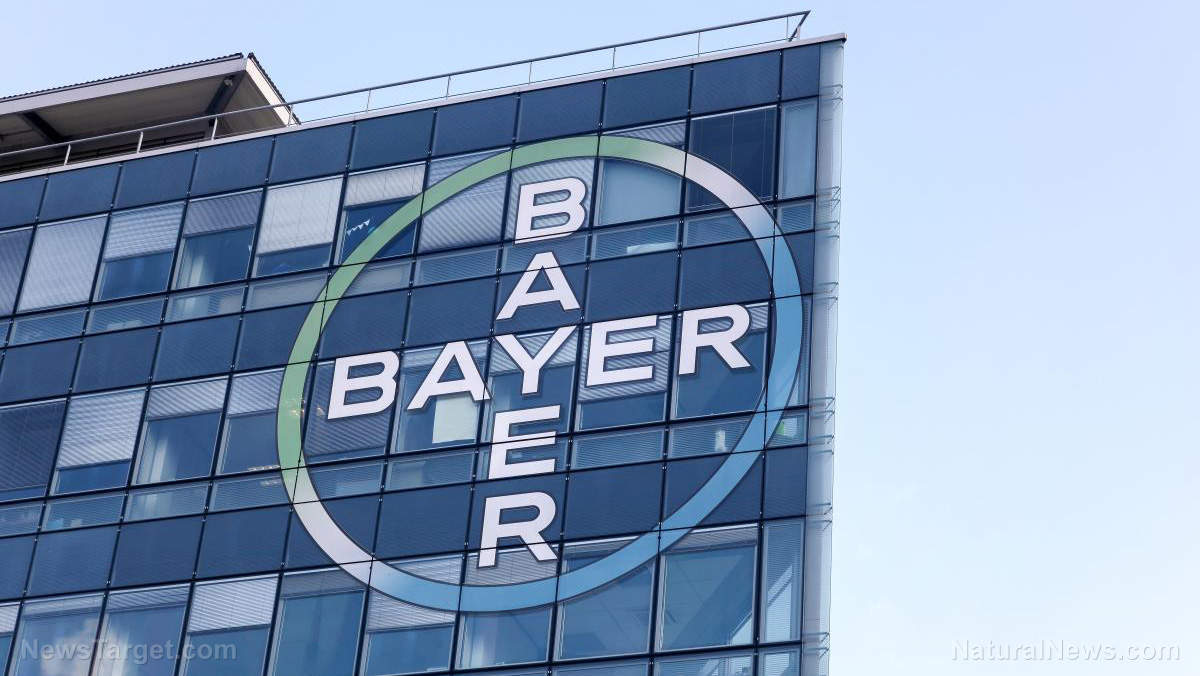
- The U.S. Supreme Court will hear Bayer's appeal to dismiss Roundup cancer lawsuits via federal preemption.
- This move could lead to the dismissal of thousands of cases and sent Bayer's stock soaring.
- Bayer argues EPA approval of its labels should shield it from state failure-to-warn claims.
- Plaintiffs counter with internal Monsanto documents alleging a long-term cover-up of cancer risks.
- The ruling will weigh federal regulatory power against state rights to seek corporate accountability.
A potential mass dismissal
The specific case the Supreme Court will review involves a $1.25 million award from a Missouri jury. The broader implications are staggering. A ruling in Bayer's favor, expected by early July, "could help lead to the dismissal of thousands of cases against the company," as noted by The Wall Street Journal. This prospect is what sent Bayer's stock soaring, marking a dramatic turnaround for a share price that had been depressed for a decade, troughing near 2004 levels last year before more than doubling. Bayer CEO Bill Anderson called the Supreme Court's move "an important step in our multi-pronged strategy to significantly contain this litigation." For Bayer, this legal strategy is a calculated bet to resolve the uncertainty that has haunted it since taking on Monsanto's legacy. The company has already set aside a staggering $7.6 billion specifically for glyphosate litigation, on top of billions more in settlements. A favorable Supreme Court ruling would not only cap this financial bleeding but also strengthen the company's hand in any future settlement negotiations.The evidence of a cover-up
However, the courtroom battles have never been solely about dry legal preemption. They have been about the allegations, backed by internal corporate documents and emails presented in trials like that of Donnetta Stephens, that Monsanto long knew about the cancer risks and actively worked to obscure the science. Jurors in multiple cases have seen evidence that includes scientific studies and internal communications suggesting a corporate effort to manipulate the narrative around glyphosate's safety. A federal judge overseeing nationwide litigation has previously stated there is "substantial evidence" indicating Monsanto's lack of concern for user health. This is the damning context that Bayer hopes the Supreme Court will overlook. While the company insists the move to stop consumer sales of Roundup in the U.S. by 2023 was about litigation risk and not safety, the timing appears deeply cynical to critics. The company maintains there is "no credible evidence" linking its products to cancer, even as it allocates another $4.5 billion for potential long-term liability. This contradiction lies at the heart of the public's distrust. The upcoming Supreme Court arguments will focus on the narrow question of federal preemption. Yet, for the families of those who used Roundup for decades, trusting the EPA-approved label, the case is about corporate accountability. They argue that federal regulators can be influenced and that state juries, presented with the full spectrum of evidence including a company's own internal records, are a crucial backstop for consumer safety. As the justices prepare to hear arguments this spring, they weigh more than a circuit court split. They are considering the power of federal agencies versus the rights of individuals to seek redress in their own states. A victory for Bayer would provide immediate financial relief and regulatory clarity for the agricultural industry, which still applies 300 million pounds of glyphosate annually. But it would also signal that a corporation's compliance with federal labeling, however that compliance was achieved, is its ultimate legal shield. The Supreme Court's decision will arrive by summer, potentially closing a costly chapter for Bayer. But for a public increasingly skeptical of both corporate power and regulatory capture, a ruling that sidelines the disturbing evidence of alleged deception revealed in courtrooms across America may feel less like justice and more like a technicality that lets a multinational corporation off the hook. The stock market has cheered the legal maneuver, but the court of public opinion, shaped by years of troubling testimony, may deliver a very different verdict. Sources for this article include: ZeroHedge.com WSJ.com TheGlobeAndMail.com
TikTok’s new U.S. partnership expands data tracking to your precise location
By Zoey Sky // Share
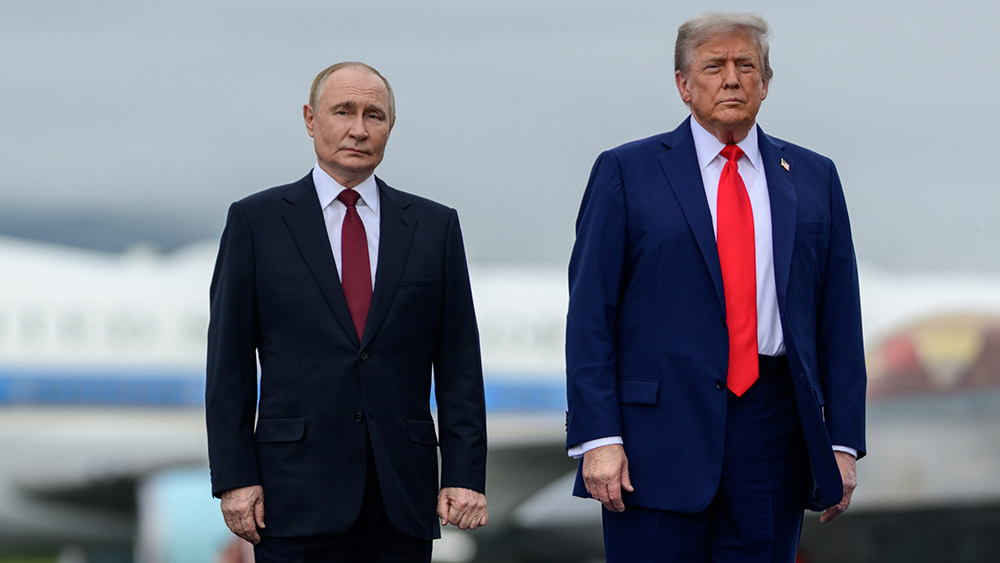
Trump says Putin agreed to one-week halt in attacks on Kyiv amid deep freeze
By Laura Harris // Share

Set Them Free: A weaponized justice system and the fight for freedom
By Ramon Tomey // Share
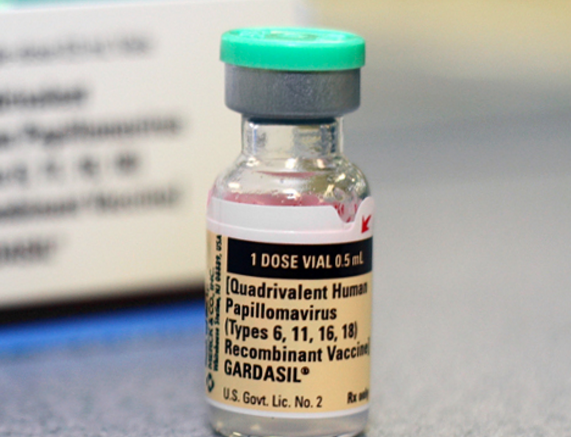
Cochrane Library under fire over reviews claiming HPV vaccines are “safe and effective”
By Ramon Tomey // Share

Congress strikes deal to avert shutdown, delays DHS funding fight
By Belle Carter // Share
Iraq Detains Ukrainian Nationals Suspected in Plot Against Gulf Oil Facilities
By garrisonvance // Share

U.S. Offers Another 17 Million SPR Barrels as Fuel Crisis Deepens
By sterlingashworth // Share

U.S. Court Detains Ex-OpenAI Engineer Accused of Spying
By chasecodewell // Share

Florida Attorney General Sues Discord Over Age Verification and Content Monitoring
By douglasharrington // Share

IMF Chief Calls for AI Guardrails as Officials Weigh Economic Risks and Opportunities
By edisonreed // Share
