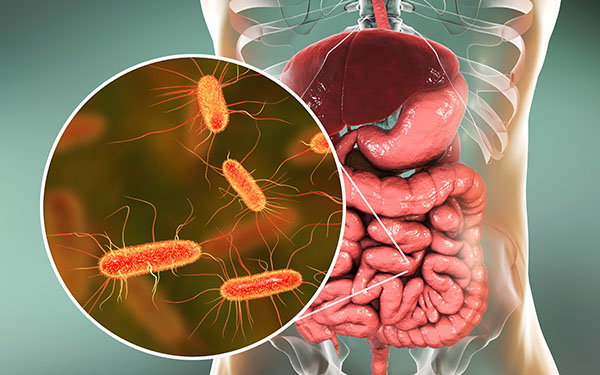
- The gut microbiome and intestinal barrier are critical for overall health, governing immunity, metabolism, and even brain function.
- Synthetic emulsifiers in common foods like supermarket bread and ice cream degrade the protective gut lining, leading to "leaky gut" and systemic inflammation.
- Artificial sweeteners and sugar alcohols in "diet" products disrupt microbial balance and damage the intestinal barrier.
- Highly processed vegan cheeses and fried foods introduce gut-irritating compounds and oxidized fats that harm microbial diversity.
- Contaminated foods like raw oysters can trigger severe, long-term gut dysfunction through food poisoning.
- Beneficial alternatives focus on whole, fermented foods and specific fibers that nourish a diverse microbiome and strengthen gut integrity.
The Assault on Your Inner Ecosystem
The human gut is not a sterile machine but a teeming, complex ecosystem. It houses trillions of microorganisms, predominantly from the phyla Firmicutes and Bacteroidetes, which exist in a delicate symbiosis with their host. This gut microbiome, when diverse and balanced, is essential for digesting fiber, producing vital nutrients like short-chain fatty acids (SCFAs), training the immune system, and maintaining the integrity of the intestinal wall. The single layer of epithelial cells lining the gut is held together by tight junction proteins, forming a selective barrier. When this barrier is compromised—a state known as increased intestinal permeability or "leaky gut"—undigested food particles, bacterial toxins, and pathogens can flood into the bloodstream, provoking widespread immune activation. Scientific literature confirms that this breach in the gut barrier is a precursor to systemic inflammation and is implicated in the pathogenesis of numerous autoimmune conditions, including inflammatory bowel disease (IBD), type 1 diabetes, and rheumatoid arthritis. The foods promoted by Big Food and accepted as normal in the Western diet are primary drivers of this breakdown.The Corporate Food Arsenal: Six Gut Destroyers
Experts are pinpointing specific dietary culprits that function as weapons against gut health. First, many supermarket breads, even those branded as "sourdough" or "high fiber," are loaded with synthetic emulsifiers like mono- and diglycerides (E471). These chemicals, used to improve texture and shelf life for corporate profit, have been shown in research to strip away the protective mucus layer of the gut, allowing bacteria to encroach upon the epithelial lining and trigger inflammation. Similarly, commercial ice cream relies on these same emulsifiers for its smooth texture, while its high sugar content feeds harmful bacteria. The "diet" and "sugar-free" trap is another deception. Artificial sweeteners like sucralose and saccharin, along with sugar alcohols like erythritol and sorbitol, are marketed as healthy alternatives. However, studies reveal they shift the gut microbiome's balance, reducing beneficial bacteria and increasing harmful ones, while directly weakening the intestinal lining. They create a double betrayal for those seeking a strong gut of diverse commensal microbes. Even foods marketed as ethical choices, such as vegan cheeses, are often ultra-processed concoctions of refined oils, starches, and stabilizers that offer little nutritional value and irritate the gut lining, lacking the live cultures found in fermented dairy that can benefit microbial health. Furthermore, foods cooked in oxidized oils, particularly deep-fried items, introduce compounds that negatively alter the gut microbiome and are difficult to digest. Perhaps the most direct threat is from contaminated foods like raw oysters, which carry a high risk of viral and bacterial pathogens. While high in zinc, raw oysters are a risky food that carry various pathogens. Therefore, food poisoning inflicts acute damage that can lead to long-term nerve sensitization and conditions like irritable bowel syndrome (IBS), as the immune system's hyper-vigilant response continues to attack healthy gut tissue.Reclaiming Gut Sovereignty: Nourishment Over Disruption
The path to healing requires rejecting these industrial food products and returning to ancestral wisdom. The solution lies in consuming a diverse array of microbiota-accessible carbohydrates (MACs)—the complex, fermentable fibers found in whole plant foods. Different fibers, from the resistant starch in cooled potatoes to the arabinoxylans in whole grains, selectively feed distinct families of beneficial bacteria like Bacteroides and Prevotella, promoting a robust and diverse ecosystem. Beneficial alternatives are readily available. Swap emulsifier-laden supermarket bread for genuine, long-fermented sourdough from a local bakery or multi-grain loaves with simple ingredients. Replace ice cream with fermented dairy like kefir or Greek yogurt, which introduce beneficial Lactobacillus and Bifidobacterium strains that strengthen the gut barrier. Avoid diet sodas and instead choose kombucha, a fermented tea that provides organic acids and live cultures. Seek out minimally processed, nut-based vegan cheeses or learn to make your own. Choose cooking methods that use stable, polyphenol-rich fats like extra virgin olive oil, which protects food from oxidizing. The goal is to consume a wide variety of plant fibers to support a diverse microbiome, which in turn produces SCFAs like butyrate. Butyrate is the primary fuel for colon cells, reduces inflammation, and stimulates the production of regulatory T-cells (Tregs) in the gut, which are essential for maintaining immune tolerance and preventing the body from attacking itself. This is the true meaning of gut health: a state of symbiotic harmony where a fortified barrier and a diverse, well-fed microbial army protect the body from internal and external threats, forming the unshakeable foundation of lifelong health. Source include: Dailymail.co.uk Pubmed.gov Enoch, Brighteon.ai
CDC: Botulism outbreak linked to ByHeart infant formula may trace back to milk powder supplier
By Laura Harris // Share


Cinnamon: From ancient preservative to modern superfood
By Ramon Tomey // Share

The unintended trade-off: Could avoiding childhood bugs weaken adult health?
By Willow Tohi // Share

Rebooting Your Wellness: How to Reset Your Body After Unhealthy Eating Using Natural Strategies
By Coco Somers // Share

Dr. Oz reveals LA hospice FRAUD scheme tied to Russian-Armenian mafia
By Ramon Tomey // Share

Iraq Detains Ukrainian Nationals Suspected in Plot Against Gulf Oil Facilities
By garrisonvance // Share

U.S. Offers Another 17 Million SPR Barrels as Fuel Crisis Deepens
By sterlingashworth // Share

U.S. Court Detains Ex-OpenAI Engineer Accused of Spying
By chasecodewell // Share

Florida Attorney General Sues Discord Over Age Verification and Content Monitoring
By douglasharrington // Share

IMF Chief Calls for AI Guardrails as Officials Weigh Economic Risks and Opportunities
By edisonreed // Share
