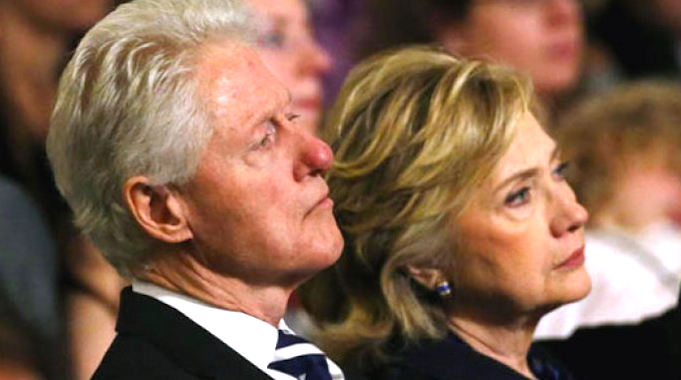
- The House Oversight Committee has advanced contempt of Congress resolutions against Bill and Hillary Clinton for defying subpoenas in the Jeffrey Epstein investigation.
- The bipartisan committee votes set the stage for a full House vote, which could lead to a criminal referral to the Department of Justice.
- The Clintons argue the subpoenas are invalid and have offered written declarations, but the committee demands sworn, transcribed depositions.
- The probe seeks to uncover systemic failures that allowed Epstein’s network to operate and examines the connections of powerful figures to his crimes.
- This marks a historic escalation, as no former president has ever been successfully compelled to testify before Congress or faced such a contempt proceeding.
The path to contempt
The committee, led by Chairman James Comer (R-Ky.), initiated contempt proceedings after what it describes as months of stalled negotiations and outright defiance. Subpoenas for depositions were issued to the Clintons as part of the panel’s wider probe into the handling of the Epstein case. The Clintons have rejected the subpoenas as lacking a legitimate legislative purpose and have not been accused of any wrongdoing related to Epstein’s crimes. In lieu of testimony, their legal team offered written declarations about their past interactions with Epstein and proposed a private interview for Bill Clinton—offers the committee rejected as insufficient. “Subpoenas are not mere suggestions,” Comer stated during the hearing, framing the issue as one of legal obligation versus privilege. “They carry the force of law and require compliance.” The resolutions passed by votes of 34-8 against Bill Clinton and 28-15 against Hillary Clinton, with several progressive Democrats crossing party lines to support the measures, citing the need for transparency.A rare and severe tool
Contempt of Congress is one of the legislature’s most potent enforcement mechanisms, though it is historically rare. The charge is a preliminary step that, if approved by the full House, would refer the matter to the Department of Justice for potential criminal prosecution. While such referrals seldom result in jail time, recent precedents have shown a hardening of consequences. Advisers to former President Donald Trump, Peter Navarro and Steve Bannon, were convicted on similar contempt charges for defying the January 6th committee and served prison sentences. The action against a former president, however, is without precedent. No former chief executive has ever been successfully compelled to testify before Congress, setting the stage for a landmark legal and political battle. The committee’s insistence on a transcribed deposition, as opposed to an informal interview, underscores its intent to create an official, citable record for its investigation.The broader investigative context
The confrontation with the Clintons occurs within a broader effort by Congress to obtain a complete accounting of the Epstein case. A significant point of tension is the delayed release of documents by the Justice Department under the Epstein Files Transparency Act, a law passed in 2025 that mandated the public disclosure of all remaining investigative files by December 19 of that year. While the DOJ has released thousands of pages, it cites an ongoing, massive review process to protect victims’ privacy, leaving lawmakers from both parties frustrated. During the committee debate, Democrats criticized what they called a double standard, arguing that Attorney General Pam Bondi should face equal scrutiny for the document delays. “We want to talk to President Bill Clinton… [but] we also want to understand why Pam Bondi refuses to release all the files,” said Rep. Robert Garcia (D-Calif.), the committee’s ranking member. Chairman Comer maintained that the DOJ is complying, albeit slowly, with document production, distinguishing it from the Clintons’ outright refusal to appear.Historical echoes and unresolved questions
The current showdown echoes past high-stakes congressional investigations where the pursuit of testimony clashed with claims of executive privilege or undue burden. From the Hollywood Blacklist hearings to the Watergate and Iran-Contra investigations, Congress has periodically flexed its subpoena power to break through walls of secrecy. The Epstein investigation revives these tensions, fueled by long-standing public suspicion about the influence of powerful individuals and systemic failures in law enforcement. The core questions driving the probe—how Epstein operated with impunity for so long and who might have enabled or benefited from his crimes—remain central. Flight logs and other records have documented Bill Clinton’s past travels on Epstein’s aircraft, which the former president’s office has acknowledged while denying any knowledge of illegal activity. The committee’s pursuit of testimony aims to place those connections and others into a clearer factual context.A defining test for accountability
The committee’s vote sends the contempt resolutions to the full House, where their fate is uncertain but the implications are profound. Whether the measures pass or become a bargaining chip for negotiated testimony, they represent a significant escalation in a years-long quest for answers in the Epstein saga. The proceeding tests the limits of congressional oversight power against the stature of a former presidency and challenges the long-held norms surrounding the testimony of ex-presidents. This historic confrontation is less about any single individual and more about whether the institutions of government can fully unravel a network of abuse that thrived in the shadows of power, money and influence. The outcome will signal how forcefully Congress is willing to act to seek closure for Epstein’s victims and accountability for a scandal that has haunted the American political landscape for decades. Sources for this article include: YourNews.com ABCNews.go.com Fox32Chicago.com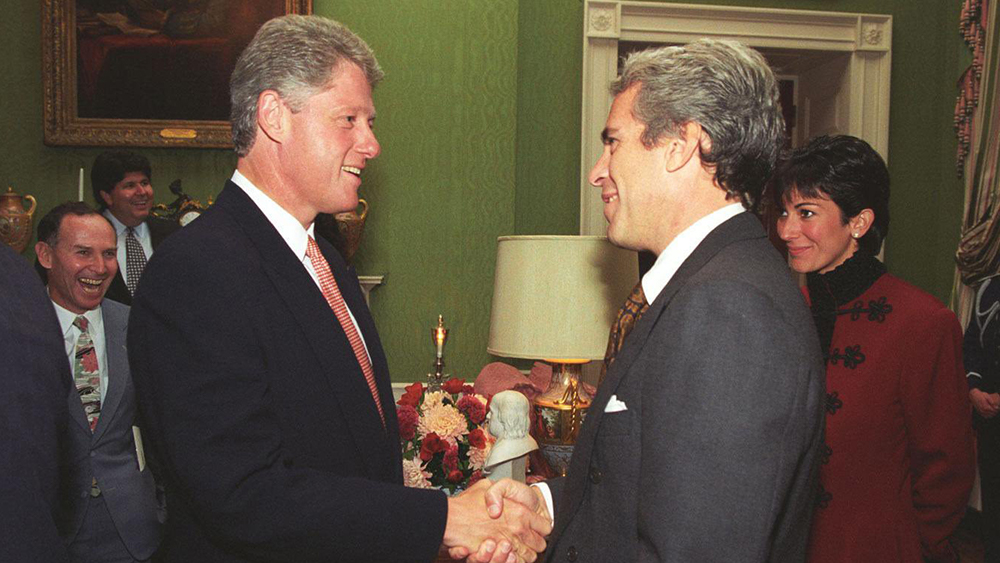
Ghislaine Maxwell alleges secret settlements protected Epstein’s network as new documents surface
By Patrick Lewis // Share

The Sovereign Health Revolution: RFK Jr.’s plan to take back health from Big Pharma
By Ramon Tomey // Share
Silenced by bullets: Charlie Kirk’s murder and the end of civil debate in America
By Patrick Lewis // Share

Set Them Free: A weaponized justice system and the fight for freedom
By Ramon Tomey // Share
Congress strikes deal to avert shutdown, delays DHS funding fight
By Belle Carter // Share

AI Revolutionaries: How Artificial Intelligence Can Make Tyrannical Government Obsolete
By Mike Adams // Share

Iraq Detains Ukrainian Nationals Suspected in Plot Against Gulf Oil Facilities
By garrisonvance // Share

U.S. Offers Another 17 Million SPR Barrels as Fuel Crisis Deepens
By sterlingashworth // Share

U.S. Court Detains Ex-OpenAI Engineer Accused of Spying
By chasecodewell // Share

Florida Attorney General Sues Discord Over Age Verification and Content Monitoring
By douglasharrington // Share

IMF Chief Calls for AI Guardrails as Officials Weigh Economic Risks and Opportunities
By edisonreed // Share
