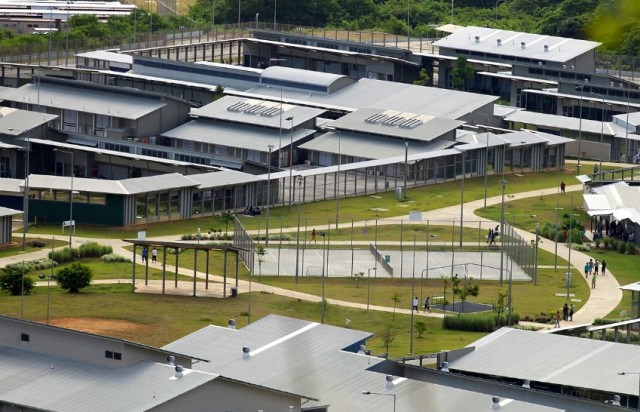
- A federal judge declined to block a new DHS policy requiring members of Congress to provide a week's advance notice before visiting ICE detention facilities.
- Judge Jia Cobb ruled the challenge by Democratic lawmakers used an incorrect procedural method, not that the policy itself is lawful.
- The policy was reinstated by DHS Secretary Kristi Noem in January 2026, following a prior court ruling that struck down a similar 2025 directive.
- DHS argues advance notice is needed for safety and to prevent disruptive "publicity stunts," while lawmakers call it an unlawful obstruction of oversight.
- The ruling leaves the notice requirement in effect as legislators consider filing a new, separate legal challenge.
The policy and the immediate challenge
The Department of Homeland Security (DHS), under Secretary Kristi Noem, quietly reinstated a seven-day advance notice requirement for congressional visits on January 8, 2026. This action came just one day after an ICE officer fatally shot a woman in Minneapolis and only weeks after Judge Cobb had temporarily blocked a nearly identical policy from June 2025. The new directive cites a technical funding distinction, asserting that facilities operating under the Republican-passed "One Big Beautiful Bill Act" are exempt from a 2019 appropriations law that guarantees lawmakers access to DHS facilities without notice. The legal challenge was triggered days later when three Minnesota Democratic representatives—Ilhan Omar, Angie Craig and Kelly Morrison—were denied entry to an ICE facility in Minneapolis after attempting an unannounced visit. Their attorneys, supported by the legal advocacy group Democracy Forward, filed an emergency motion asking Judge Cobb to enforce her December order against the reimposed policy.A ruling on process, not principle
Judge Cobb’s ruling did not affirm the legality of DHS’s actions. Instead, she concluded that the lawmakers’ attorneys had used the wrong “procedural vehicle” to challenge what she deemed a “new agency action.” Because the January 8 memorandum constituted a fresh policy—however similar to its predecessor—it required a new or amended legal complaint, not a motion to enforce the old order. The DHS Position: The administration contends that advance notice is essential for operational security and safety, preventing disruptions and what Noem’s order called “circus-like publicity stunts.” The Lawmakers’ Stance: The plaintiffs argue the policy violates clear statutory language designed to prevent the use of appropriated funds to block congressional oversight. They see it as a deliberate effort to shield ICE facilities from spontaneous scrutiny, particularly during critical annual funding negotiations.Historical context of oversight and access
The conflict is rooted in a long-standing principle of congressional oversight, a power implied by the Constitution’s structure of separated powers. Throughout American history, Congress has invoked its "power of the purse" and investigative authority to demand access to executive branch operations. Specific statutes, like the one at issue in this case, have been enacted to cement this access, especially concerning areas of significant public interest and taxpayer expenditure, such as immigration detention. The current dispute echoes past administrative efforts to manage or limit such oversight under banners of security or efficiency. The rapid reissuance of a blocked policy using a different funding rationale is seen by governance experts as a test of the resilience of these oversight statutes and the judiciary’s role in policing the boundaries between co-equal branches.The path forward and broader implications
The judge’s decision leaves the notice requirement in place for now, but the battle is far from over. The plaintiff lawmakers are expected to file a new legal challenge targeting the January policy directly. The outcome of that future case will determine whether Congress can conduct surprise inspections—a tool considered vital for assessing true, unvarnished conditions within detention centers. The standoff has immediate practical consequences. With the DHS appropriations cycle ongoing, lawmakers argue they cannot effectively negotiate funding or craft legislation without the ability to conduct unimpeded, on-the-ground oversight. The ruling also raises questions about the agility of the judicial process in addressing what plaintiffs characterize as procedural maneuvers by the executive branch to delay or avoid compliance with congressional oversight mandates.A temporary win for procedure in an ongoing constitutional dialogue
While the Trump administration may view the ruling as a temporary validation of its operational management prerogatives, the core constitutional question of congressional access remains unanswered. The case is poised to continue, serving as the latest chapter in the perpetual negotiation between legislative oversight authority and executive control. For advocates of government transparency and robust checks and balances, the ruling is a reminder that the tools of oversight must be as dynamic and determined as the strategies sometimes employed to circumvent them. The final judgment on this policy’s legality will significantly define the scope of congressional power to inspect the workings of the nation’s immigration detention system. Sources for this article include: YourNews.com APNews.com Govexe.com
Report reveals IT job postings are designed to favor foreign visa holders over U.S. workers
By Belle Carter // Share

Ghislaine Maxwell alleges secret settlements protected Epstein’s network as new documents surface
By Patrick Lewis // Share

The Sovereign Health Revolution: RFK Jr.’s plan to take back health from Big Pharma
By Ramon Tomey // Share

Silenced by bullets: Charlie Kirk’s murder and the end of civil debate in America
By Patrick Lewis // Share

CISA acting director’s ChatGPT leak sparks security concerns and internal review
By Belle Carter // Share

ICE shooting suspect had prior violent encounter with agents, records show
By Belle Carter // Share
Iraq Detains Ukrainian Nationals Suspected in Plot Against Gulf Oil Facilities
By garrisonvance // Share

U.S. Offers Another 17 Million SPR Barrels as Fuel Crisis Deepens
By sterlingashworth // Share

U.S. Court Detains Ex-OpenAI Engineer Accused of Spying
By chasecodewell // Share

Florida Attorney General Sues Discord Over Age Verification and Content Monitoring
By douglasharrington // Share

IMF Chief Calls for AI Guardrails as Officials Weigh Economic Risks and Opportunities
By edisonreed // Share
