- Hemorrhoids affect millions and are often manageable with home care.
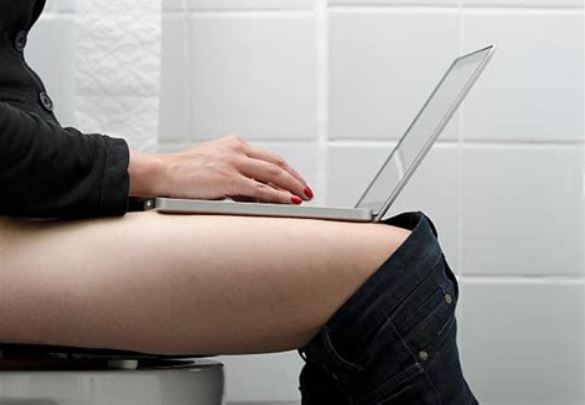
- A key modern risk is using your phone on the toilet, which increases sitting time.
- Home treatment centers on a high-fiber diet and plenty of water.
- Soothing methods include warm sitz baths and over-the-counter creams.
- See a doctor if symptoms persist or for any rectal bleeding.
The modern culprit: Your phone
Emerging research adds a new dimension to traditional advice. A recent study found that people who use their phone while sitting on the toilet are 46% more likely to develop hemorrhoids. The reason is straightforward: scrolling leads to longer sitting times. "Blood tends to pool, and that swelling makes hemorrhoids more likely," explains Dr. Michael J. Allen, a family medicine physician. He compares it to kinking a garden hose, where backpressure builds up. The solution is simple: leave the phone outside the bathroom and limit your toilet time to reduce pressure on those delicate veins.Foundations of home care
The cornerstone of home treatment is a multi-pronged approach focused on reducing strain and inflammation. Start with dietary adjustments. "A high fiber diet softens stool and makes it easier to pass, reducing straining," says Dr. Allen, who recommends aiming for 25 to 30 grams daily from fruits, vegetables, beans, and whole grains. Fiber supplements like psyllium husk can help. It is crucial to pair this with ample water intake, as hydration helps fiber work effectively. Soaking in a warm bath, often called a sitz bath, for 10 to 15 minutes several times a day can soothe irritation and reduce inflammation. For immediate swelling and discomfort, apply an ice pack wrapped in a cloth for short intervals. Over-the-counter topical ointments containing witch hazel, lidocaine, or hydrocortisone can provide temporary relief, though hydrocortisone should be used sparingly.Smart daily habits
Your daily routines play a massive role. Wear loose, breathable cotton underwear to prevent moisture buildup. Practice good bathroom hygiene by using alcohol-free baby wipes or a damp cloth instead of dry toilet paper. Perhaps one of the most effective tricks is to use a small footstool to elevate your feet while on the toilet. This position straightens the rectum, making bowel movements easier and reducing straining. Do not delay bowel movements when you feel the urge, as waiting can lead to harder stools. Stay active with regular exercise to promote healthy digestion. Avoid known irritants during a flare-up, such as spicy foods, and consider a stool softener if needed to prevent constipation. It is vital to listen to your body. If you do not notice any improvement after a week of home care, or if your symptoms worsen, it is time to consult a doctor. This is especially critical for rectal bleeding. While bleeding is a common hemorrhoid symptom, it can also indicate other digestive issues, and a professional evaluation is necessary for peace of mind and proper health. For the vast majority, hemorrhoids are a temporary, manageable condition. They remind us that sometimes the most impactful health solutions are the simplest: more fiber, more water, more movement, and a little less screen time in the wrong place. By returning to these foundational habits, you empower your body to heal naturally, turning a source of silent discomfort into a lesson in mindful self-care. Sources for this article include: AdventHealth.com Healthline.com Health.Harvard.edu Healthline.com
Give the gift of lasting love at the Health Ranger Store’s Valentine’s Day Event
By HRS Editors // Share


Ginger safely relieves nausea during pregnancy
By News Editors // Share

A Watershed Verdict: $2M Malpractice Win Exposes the Medical Betrayal of Gender-Transitioned Minors
By Morgan S. Verity // Share

The flavanoid fix: How chocolate and tea counteract the stress of modern life
By Willow Tohi // Share

Banish boring water: How to turn plain water into a healing wellness drink
By Cassie B. // Share

Iraq Detains Ukrainian Nationals Suspected in Plot Against Gulf Oil Facilities
By garrisonvance // Share

U.S. Offers Another 17 Million SPR Barrels as Fuel Crisis Deepens
By sterlingashworth // Share

U.S. Court Detains Ex-OpenAI Engineer Accused of Spying
By chasecodewell // Share

Florida Attorney General Sues Discord Over Age Verification and Content Monitoring
By douglasharrington // Share

IMF Chief Calls for AI Guardrails as Officials Weigh Economic Risks and Opportunities
By edisonreed // Share
